The Faroe–Iceland Traverse
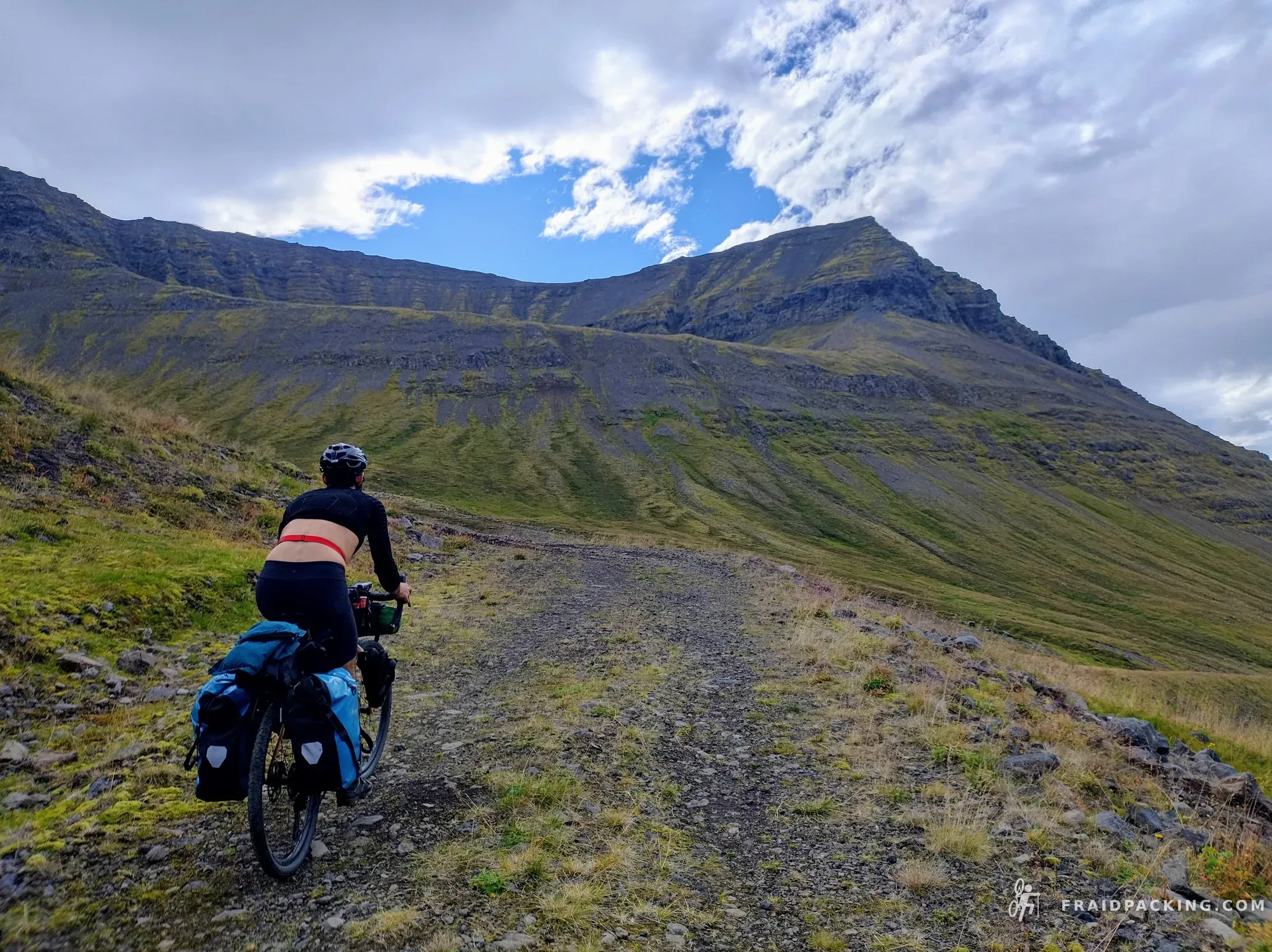
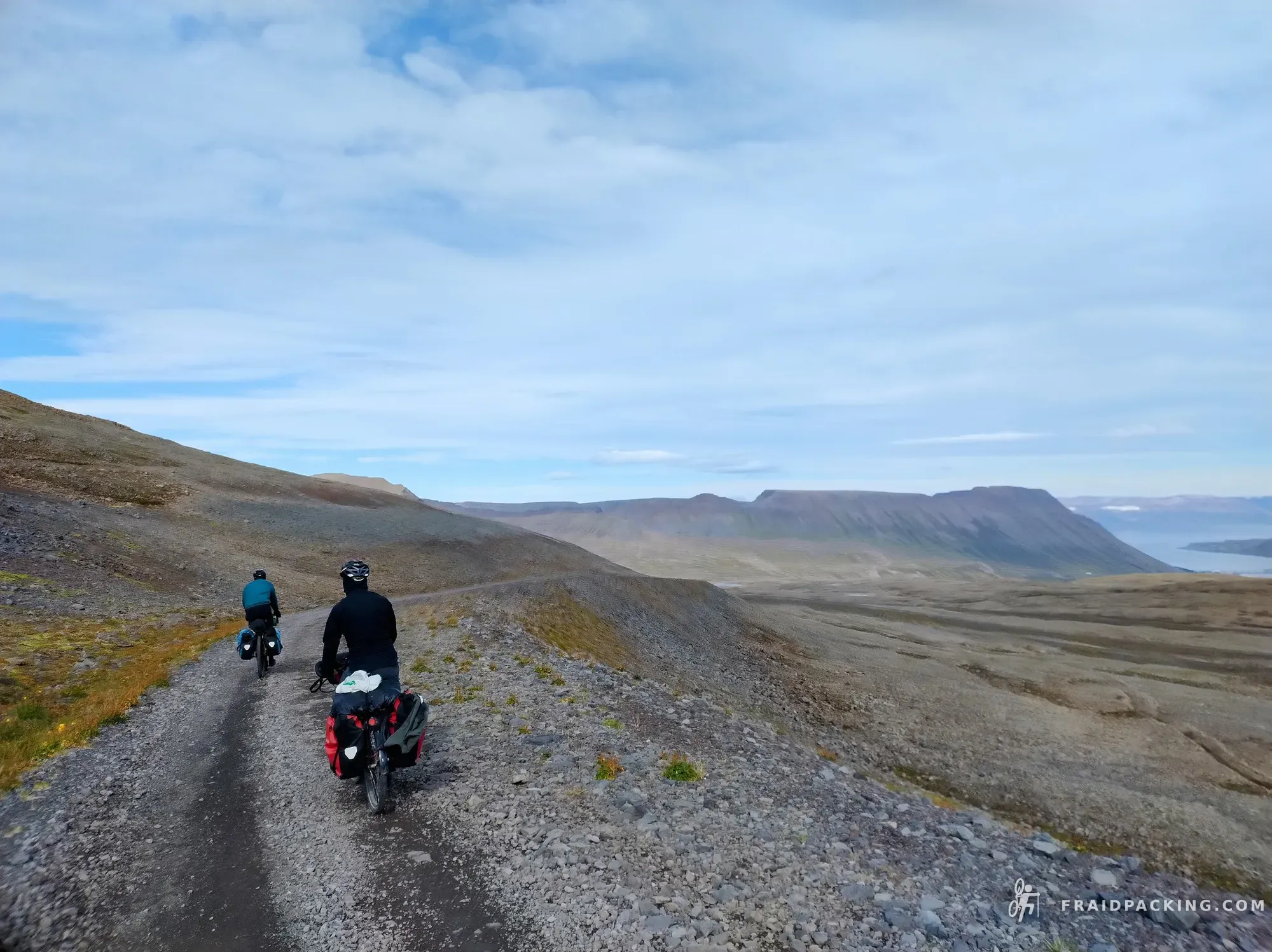
A bikepacking journey through the Faroe Islands and across Iceland from east to west, riding between dramatic cliffs, endless wind, volcanic landscapes, and remote roads where nature feels untouched and overwhelming
Route
↓ Download GPX- 1
🇫🇴 Arriving to Faroe
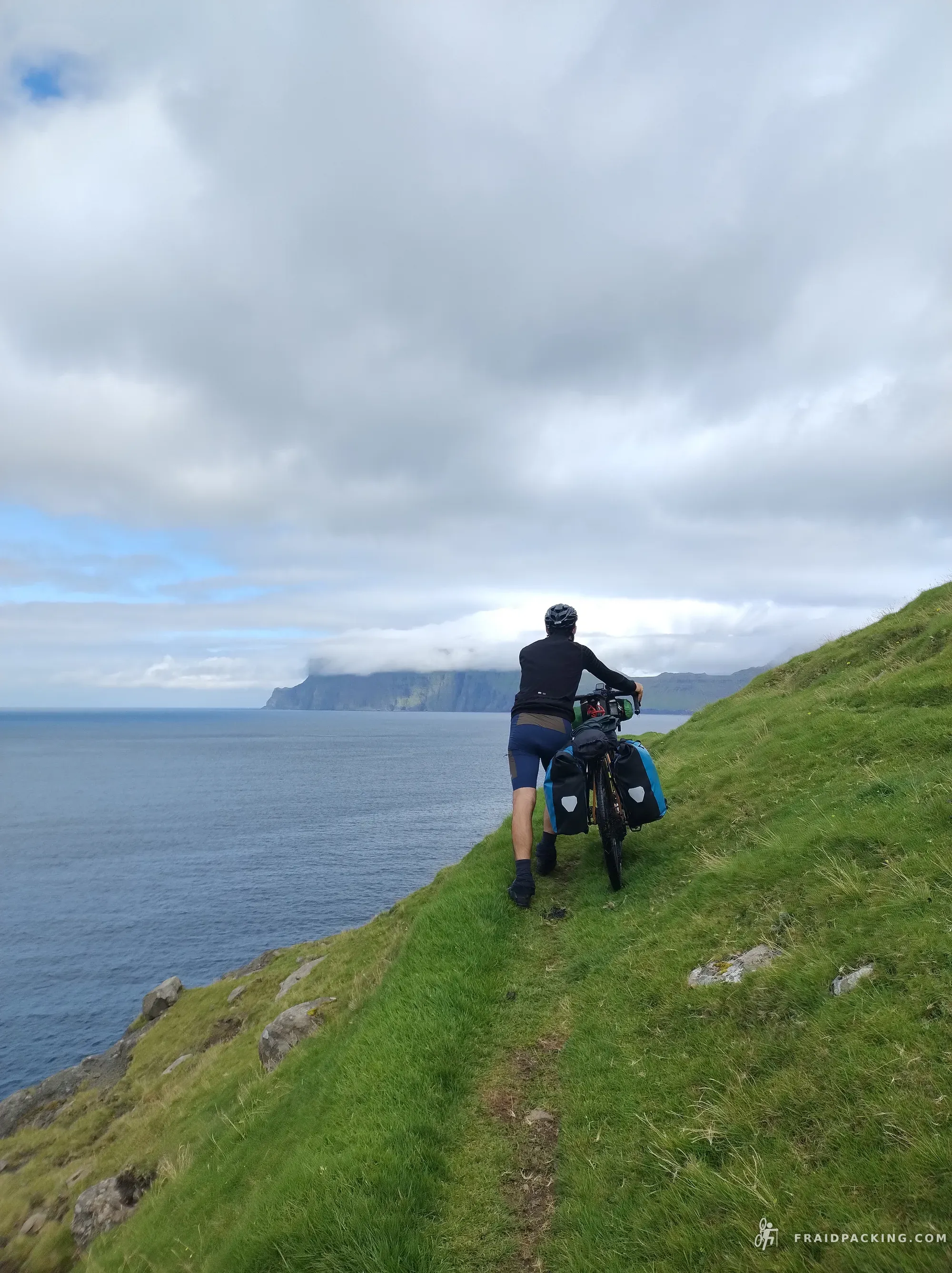
The legs find their first test early, grinding upward from Sørvágur through Atlantic wind that seems to come from every direction at once. Sixteen kilometres is modest on paper, but the Faroese hills ask questions of both fitness and nerve, wrapping riders in low cloud and the smell of wet grass and salt. The landscape here is stripped bare, treeless and elemental, where sheep paths cross the road and the ocean flickers in and out of view between rolling ridges. It is a short day, but a proper introduction — rugged, moody, and quietly demanding.
- 2
🇫🇴 Sorvagur - Eidi
With no named landmarks to pin the day to a map, this stretch is defined entirely by what the land does to the body. Eighty-three kilometres of Faroese terrain unrolls in a relentless rhythm of steep coastal climbs and plunging descents, the Atlantic pressing in from all sides as the route winds north from Sørvágur toward Eiði. Nearly 1,640 metres of elevation gain accumulates without ceremony, each pass earning its views of cloud-dragged ridgelines and dark water far below. The effort is raw and the reward elemental — this is riding stripped of distraction.
- 3
🇫🇴 Leirvik
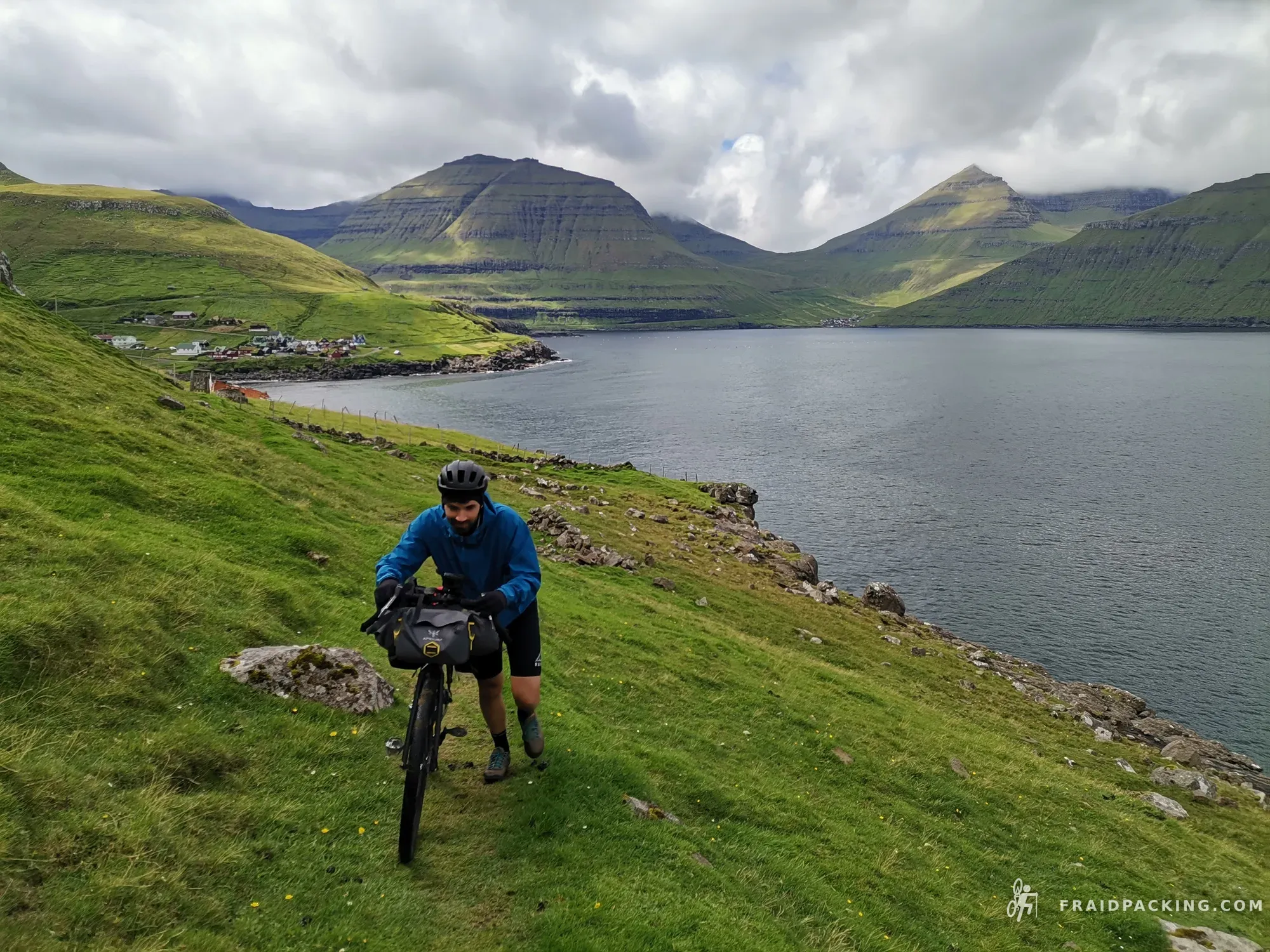
What sets this stretch apart is the sheer relentlessness of its vertical — 1,285 metres of climbing packed into 57 kilometres that refuse to let up. The route heaves between Eiði and Leirvík across ridgelines where the wind arrives sideways and the grass bends flat, the Atlantic visible in multiple directions at once. Cloud shadows race across flanks of scree and bog, making the landscape feel restless and alive. It is grinding, humbling work, but the reward is constant: a Faroese horizon that seems to go on forever.
- 4
🇫🇴 Klaksvik
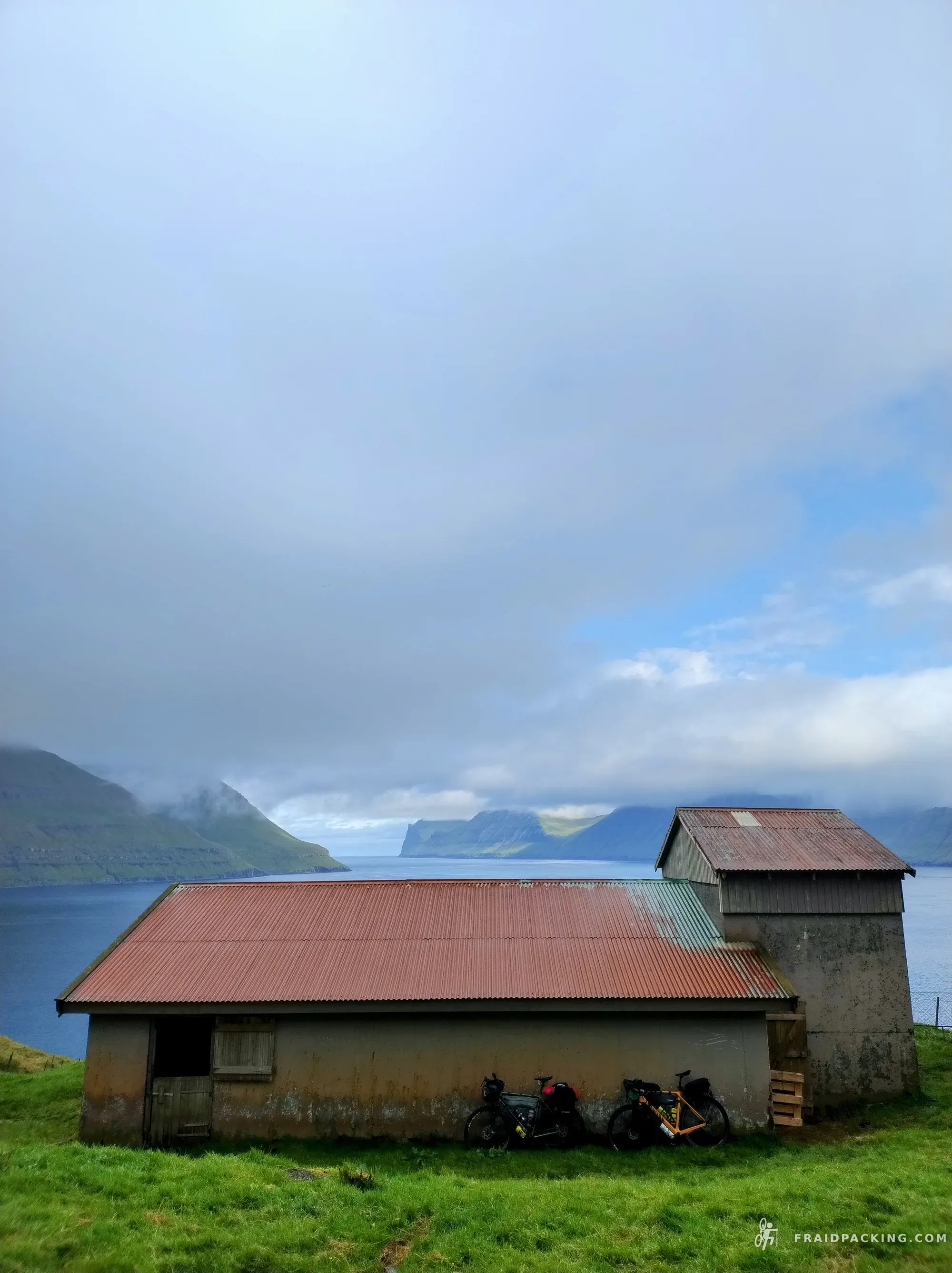
Rough coastal roads give way to demanding climbs as the route pushes north from the eastern shores, the Atlantic pressing in grey and close on one side while bare ridgelines rise sharply on the other. The 52 kilometres to Klaksvík carry nearly 730 metres of ascent, much of it concentrated into sustained efforts that strip away any easy rhythm. Tunnels and exposed passes trade off throughout the day, the landscape stripped to grass, rock, and restless cloud. Klaksvík arrives as a genuine reward — a harbour town tucked into the hills, earned.
- 5
🇮🇸 Studlagil canyon
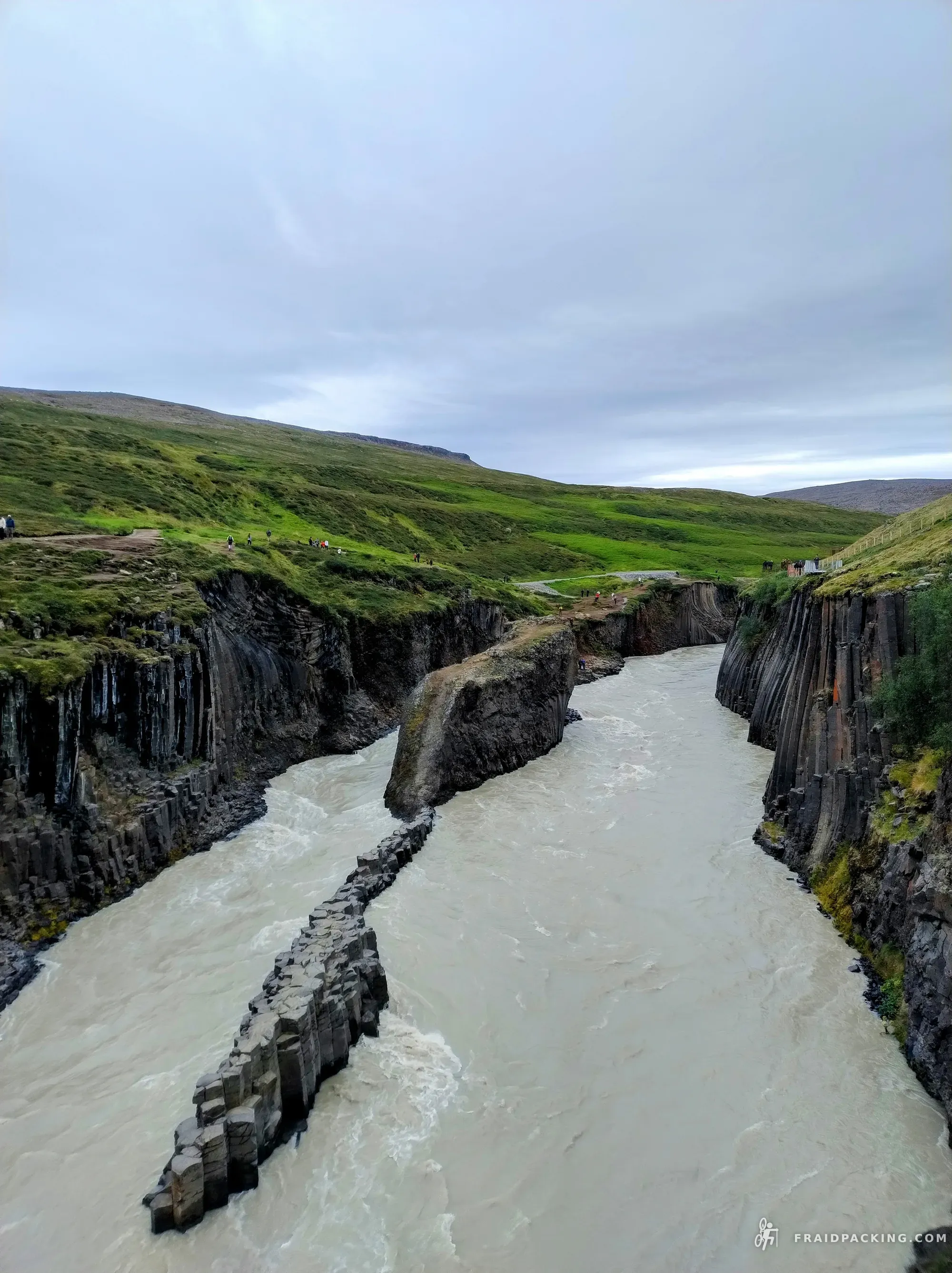
What sets day five apart is sheer relentless accumulation — a hundred kilometres that refuse to flatten out, climbing over fifteen hundred metres through a landscape stripped of all softness. East Iceland unrolls in broad, windswept valleys and dark lava-streaked ridgelines, the sky pressing low and changeable, light shifting from pewter to gold without warning. The legs earn every kilometre here, grinding through gradients that seem to reset just as relief approaches. It is exhausting, humbling, and quietly magnificent.
- 6
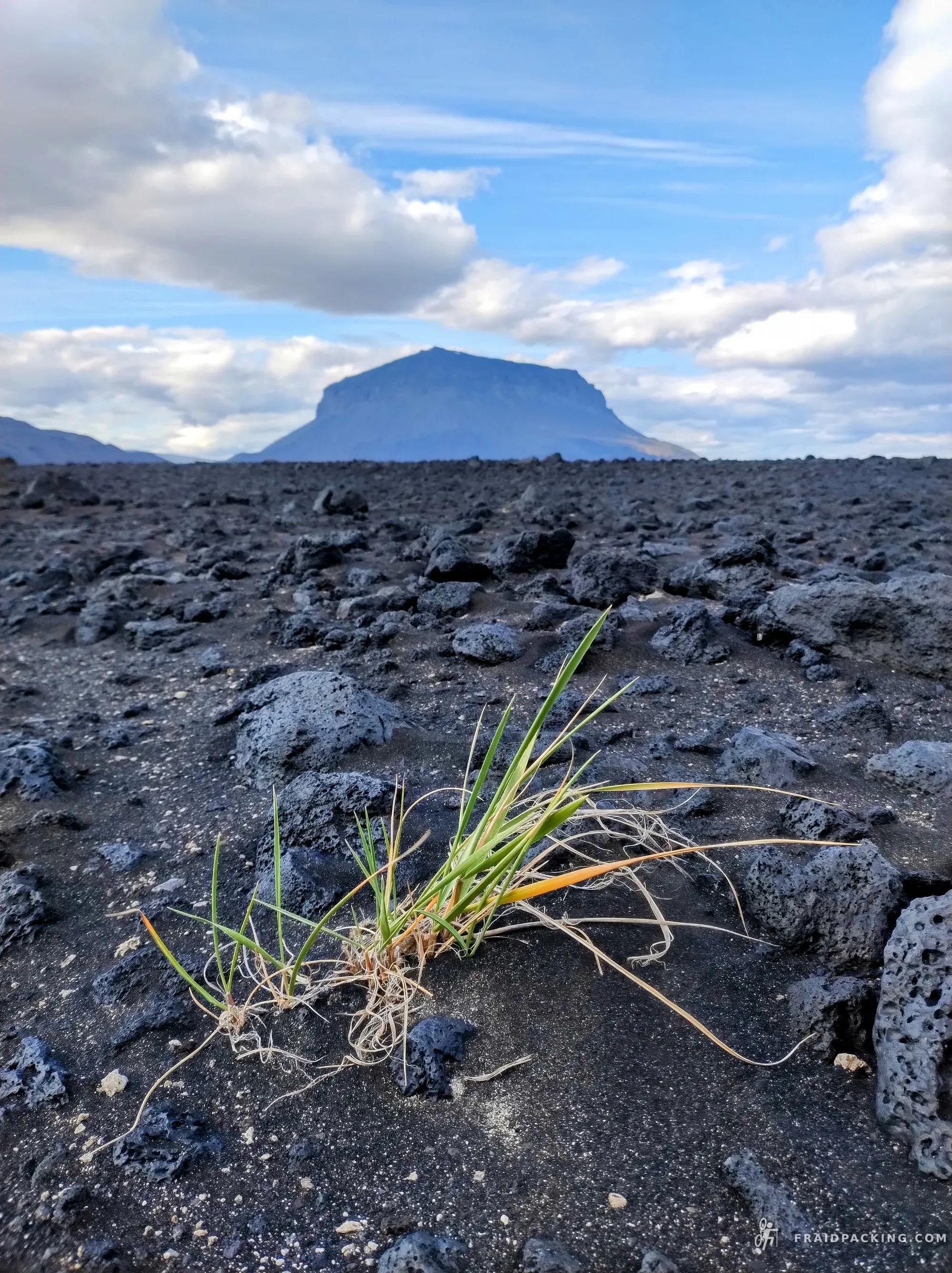
🇮🇸 somewhere in the Highlands
The legs earn every metre of the 821 metres climbed on this demanding loop out of and back to Múlaþing, the effort accumulating across nearly 50 kilometres of raw Icelandic terrain. Lava fields and moorland roll beneath the wheels in relentless, rolling resistance, the sky vast and indifferent overhead. Wind presses from unpredictable angles, and the volcanic landscape strips away any sense of shelter, leaving rider and bike exposed to the full character of the east. It is a day measured not in landmarks but in endurance.
- 7
🇮🇸 Dreki hut
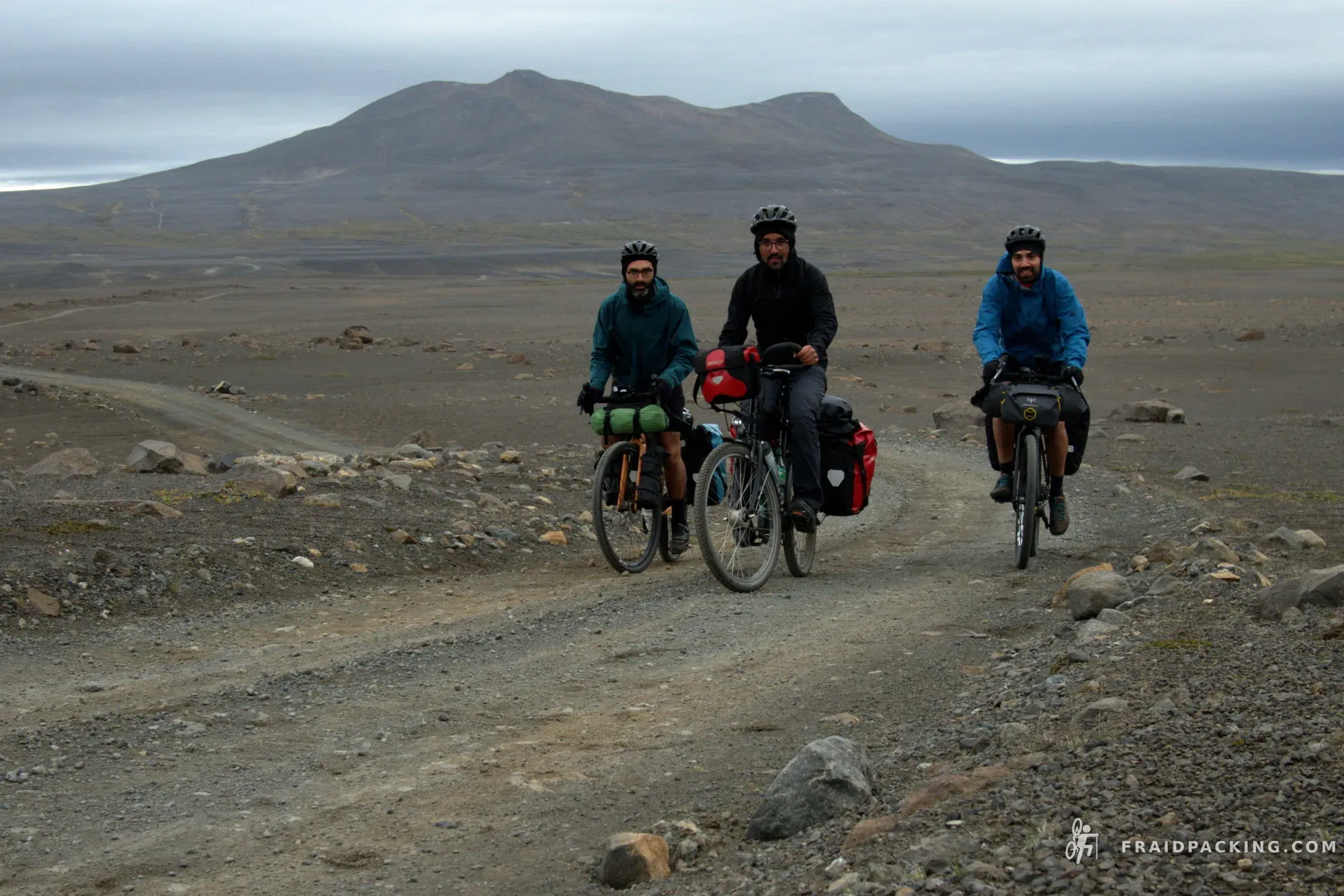
The day opens with a slow, grinding haul into the highlands, legs burning against gradients that offer no compromise and no shade. Across 60 kilometres of Icelandic interior, the landscape holds its breath — vast, volcanic, and indifferent, where lava fields bleed into moorland and the sky presses low with the weight of weather still undecided. Every kilometre of the 600-metre climb feels earned, the silence broken only by wind and the crunch of loose gravel underwheel. By the time the terrain finally relents toward Þingeyjarsveit, the body is hollowed out and quietly grateful.
- 8
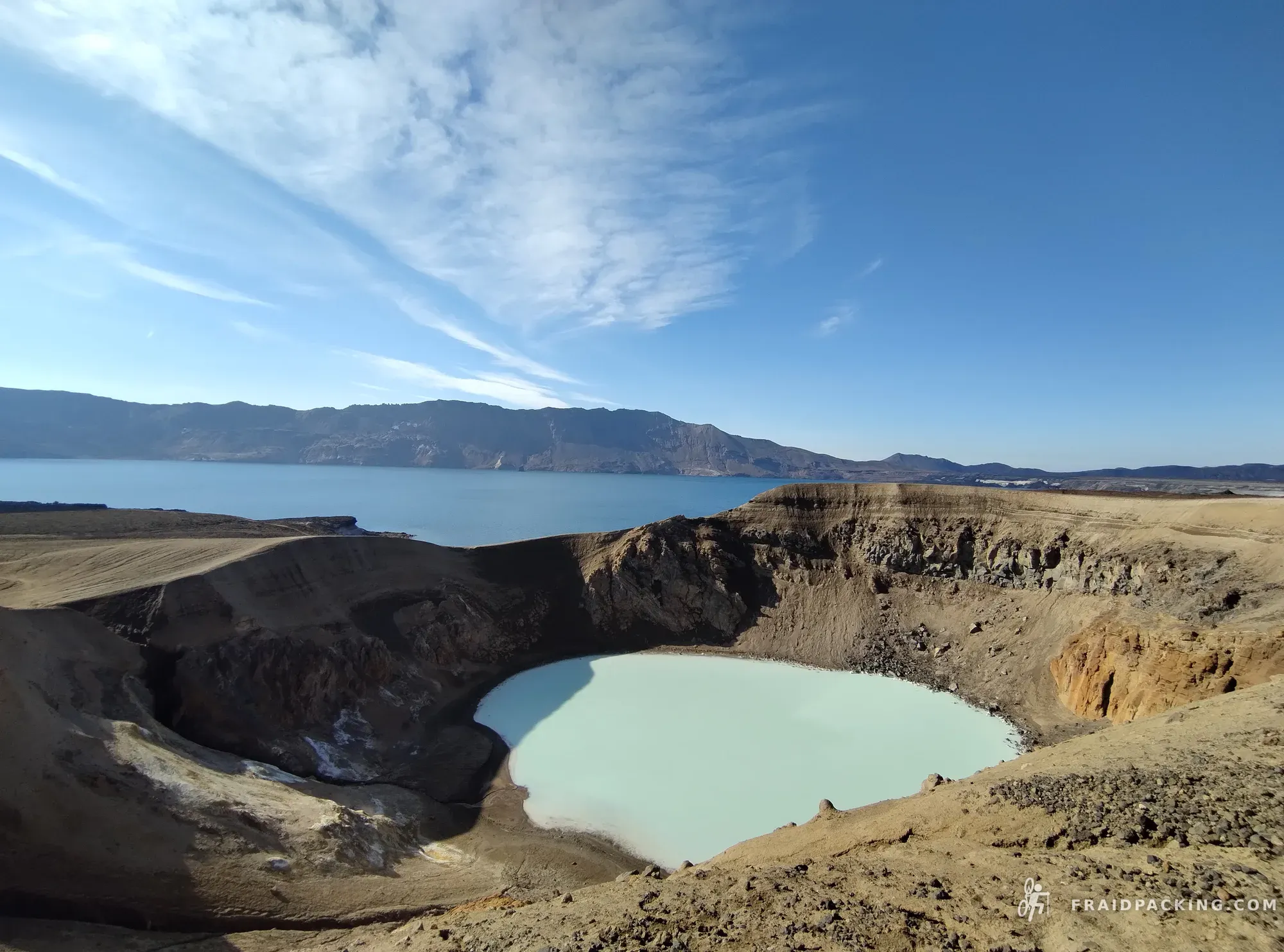
🇮🇸 Askja hike
At just seven kilometres, day eight is the route's shortest stage — but brevity here means intensity, not ease. The riding unfolds across open Þingeyjarsveit country, where the land feels ancient and unhurried, volcanic moorland stretching wide beneath a sky that can shift from silver to iron in minutes. The modest elevation gain comes in concentrated bursts, legs working against gradient and wind in equal measure. It is a day to pause, breathe, and absorb the stillness that longer stages rarely allow.
- 9
🇮🇸 Myvatn
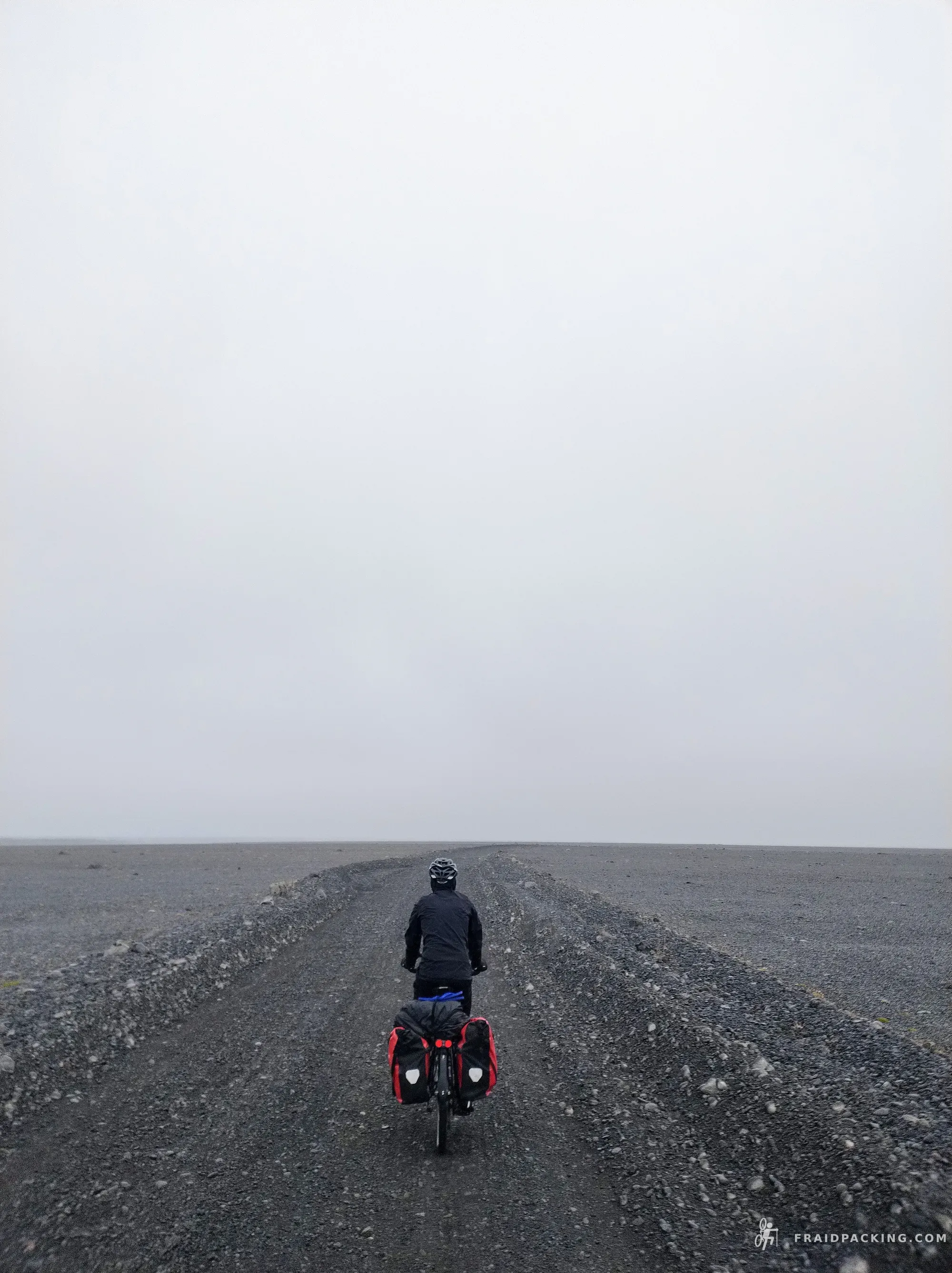
Vast lava fields and black gravel roads unspool across the interior lowlands, demanding steady legs and a patient rhythm over kilometres that seem to stretch without end. The landscape here is stripped of drama but not of power — wide skies press down on tundra-coloured heath, and the silence is broken only by wind and the crunch of tyres on loose stone. At 92 kilometres with modest climbing, the effort is cumulative rather than acute, a slow burn through one of Iceland's most elemental agricultural plains. By day's end the body carries the quiet weight of distance earned across open, unhurried ground.
- 10
🇮🇸 Akureyri
A century of kilometers opens up across the broad volcanic lowlands of northern Iceland, the landscape flattening into something almost meditative after days of harder climbing. The road stretches toward Akureyri with a steady accumulated effort of nearly a thousand meters of gain folded quietly into the distance, hills rising and dissolving without drama. Pale birch scrub and lava-darkened earth frame the route, the sky enormous overhead, the light holding long into the evening at this latitude. Arriving into Akureyri feels like reaching a genuine northern capital — a reward measured in both distance and relief.
- 11
🇮🇸 Boredyri
A short day by distance but rich in quiet atmosphere, this 8-kilometre stretch through Húnaþing vestra offers a rare chance to breathe and absorb the surrounding landscape without urgency. Rolling terrain keeps the elevation modest, the gentle 45 metres of gain barely registering in the legs after the harder days that came before. Wide skies open over low coastal farmland, and the air carries the salt and stillness of Iceland's northwest. It feels less like a stage and more like a pause.
- 12
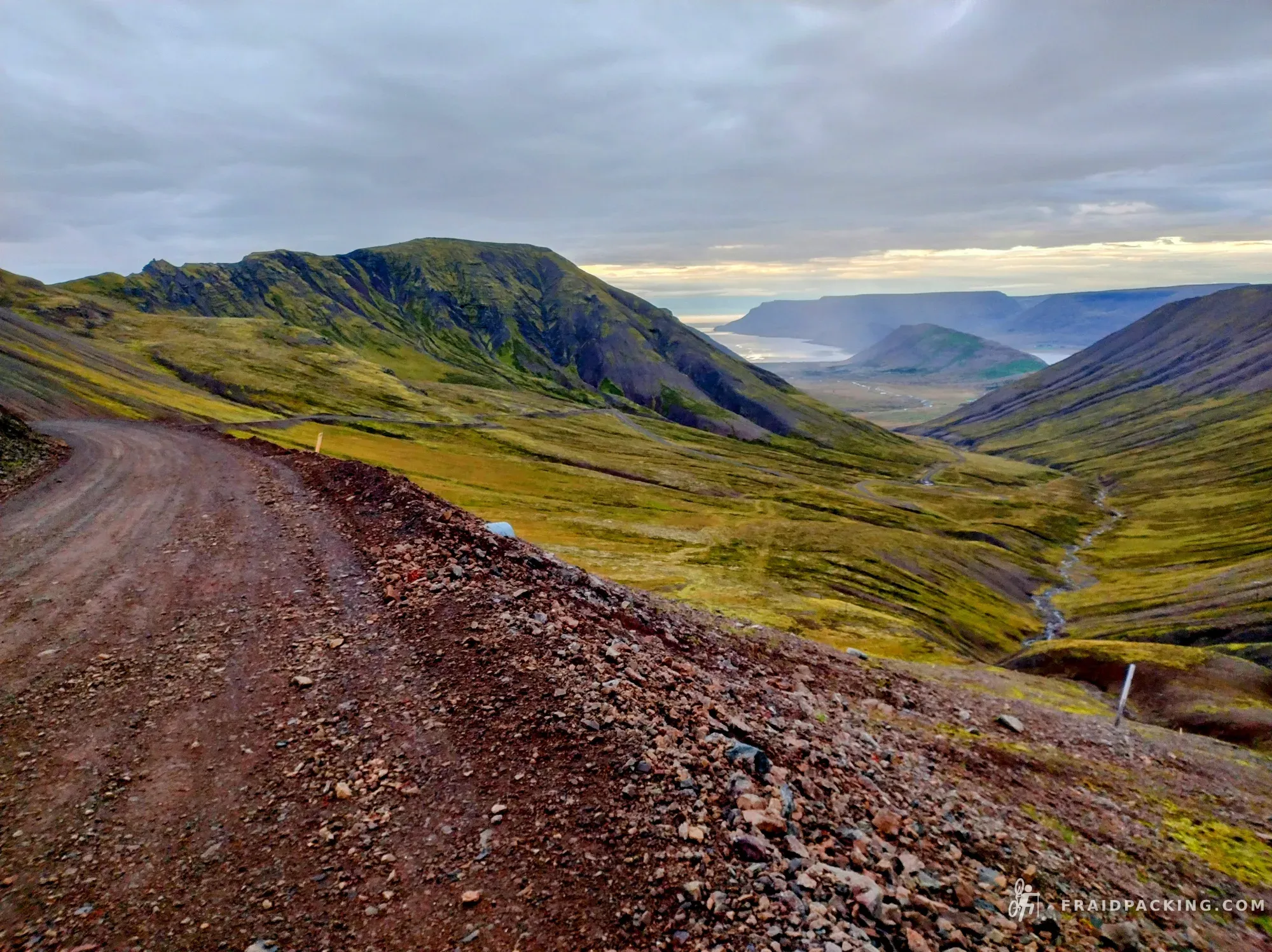
🇮🇸 somewhere in the westfjords
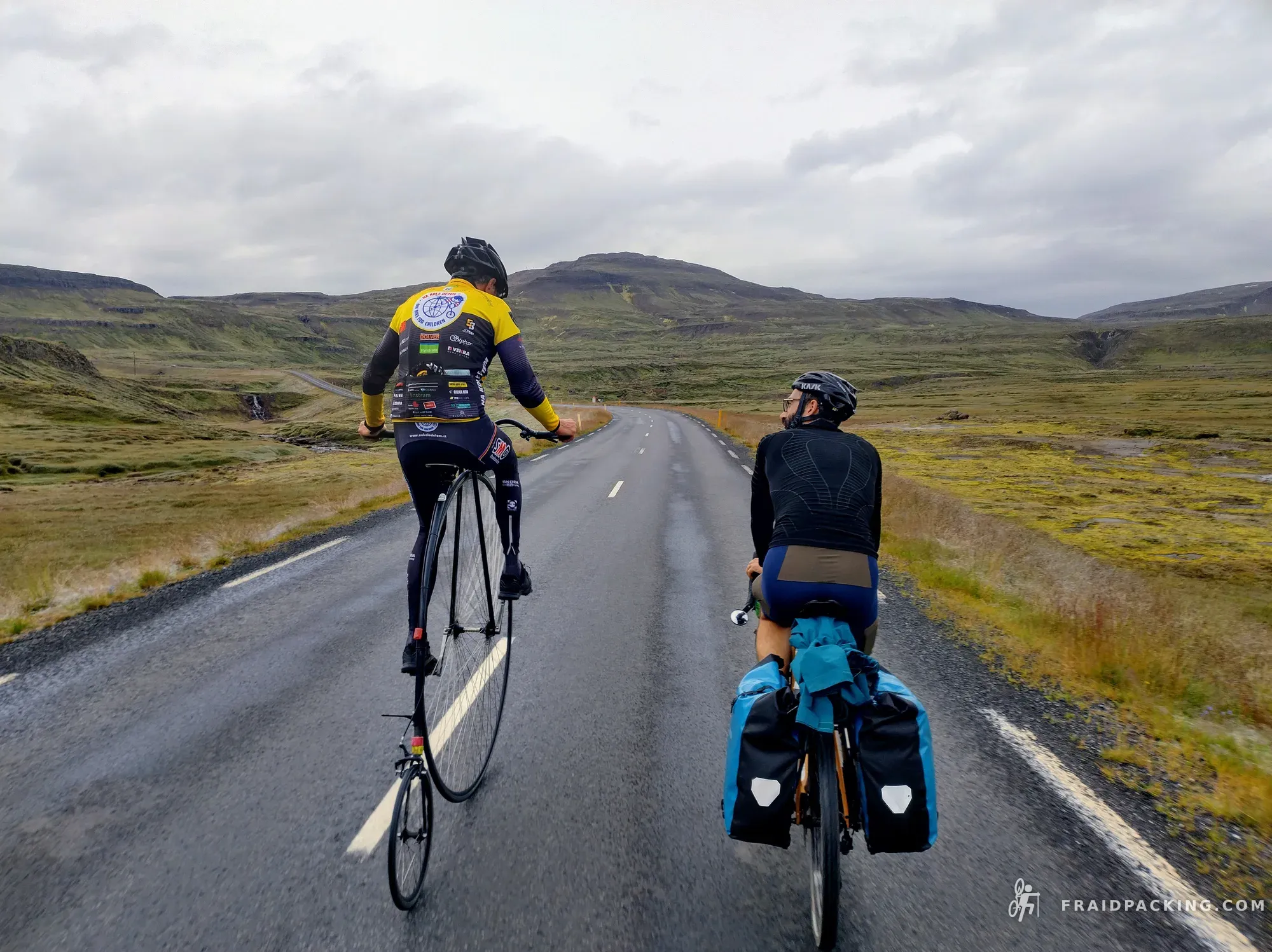
The day opens with legs already carrying the weight of eleven previous stages, yet the route demands another 1,200 metres of climbing across 100 kilometres of western Iceland's raw interior. Volcanic ridgelines give way to broad, wind-scoured valleys where the tarmac narrows and the sky presses low, grey and enormous. Effort accumulates gradually rather than dramatically — a slow, honest reckoning between rider and landscape. By the time the road finally descends toward the coast, the body is hollowed out but the world around it feels quietly, unmistakably alive.
- 13
🇮🇸 Flokalundur
Rolling terrain gives way to long, punishing climbs as the route pushes through the remote Westfjords, where 1,825 metres of elevation gain across 123 kilometres demands sustained effort and steady legs. The landscape feels vast and unhurried, a sweep of open moorland, fjord-cut valleys, and sky that presses low in all directions. Wind is a constant presence here, either a gift or a thief depending on its mood. By the time the day relents, the body carries the satisfying weight of genuine wilderness earned.
- 14
🇮🇸 Patreksfjördur
What sets day fourteen apart is its quality of arrival — the sense of a landscape finally relenting after days of exposure, funneling the rider down toward the sea. The 61 kilometres through Vesturbyggð demand steady climbing across open moorland, where the wind plays its usual tricks and the road rises without apology before dissolving into long descents carved between salt-grey ridges. By the time Patreksfjörður comes into view, its fjord arms spread wide like an exhale, the effort of 797 metres of gain suddenly feels proportionate to the reward.
- 15
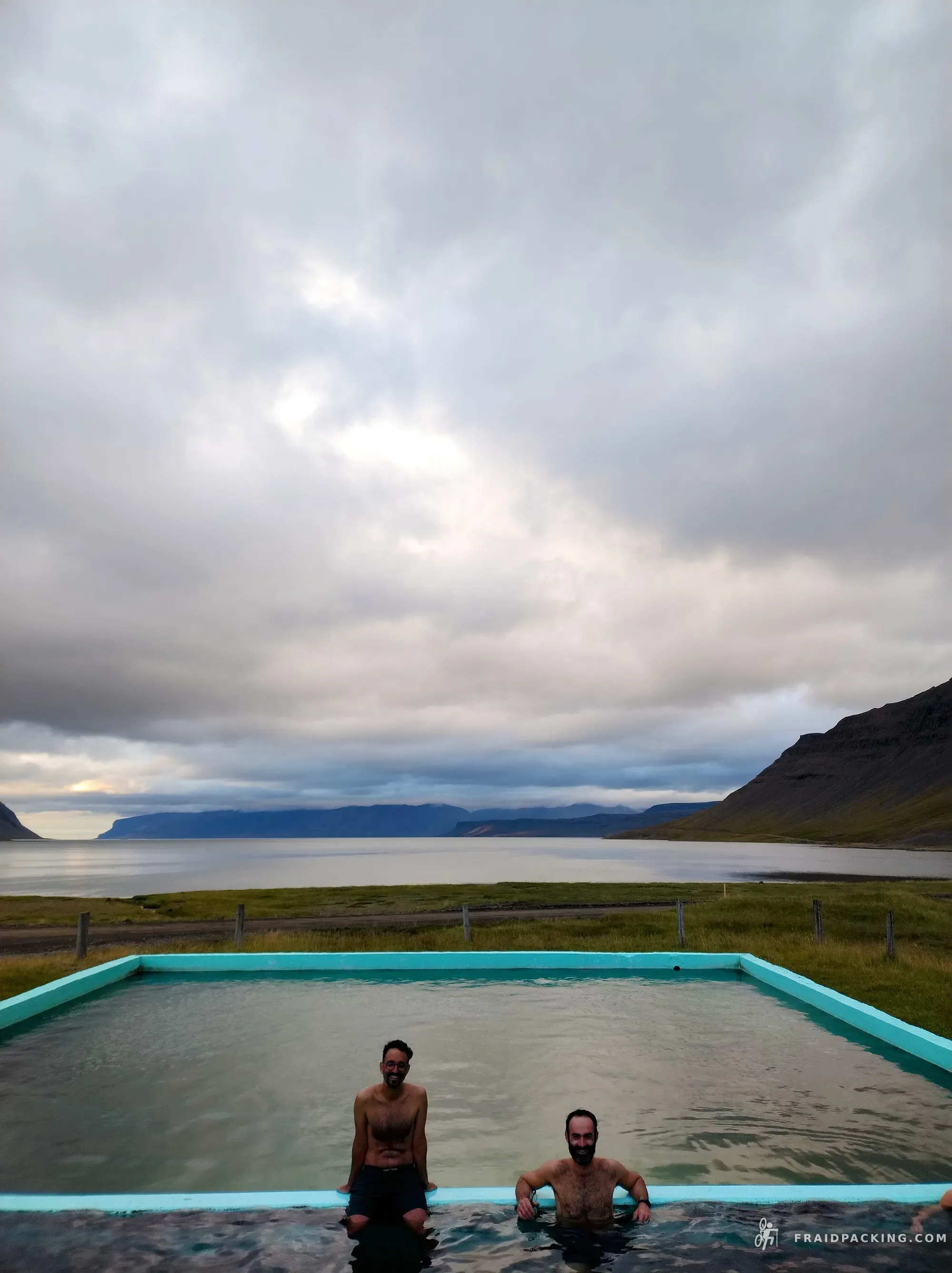
🇮🇸 Reykjafiardalaug Hot Spring
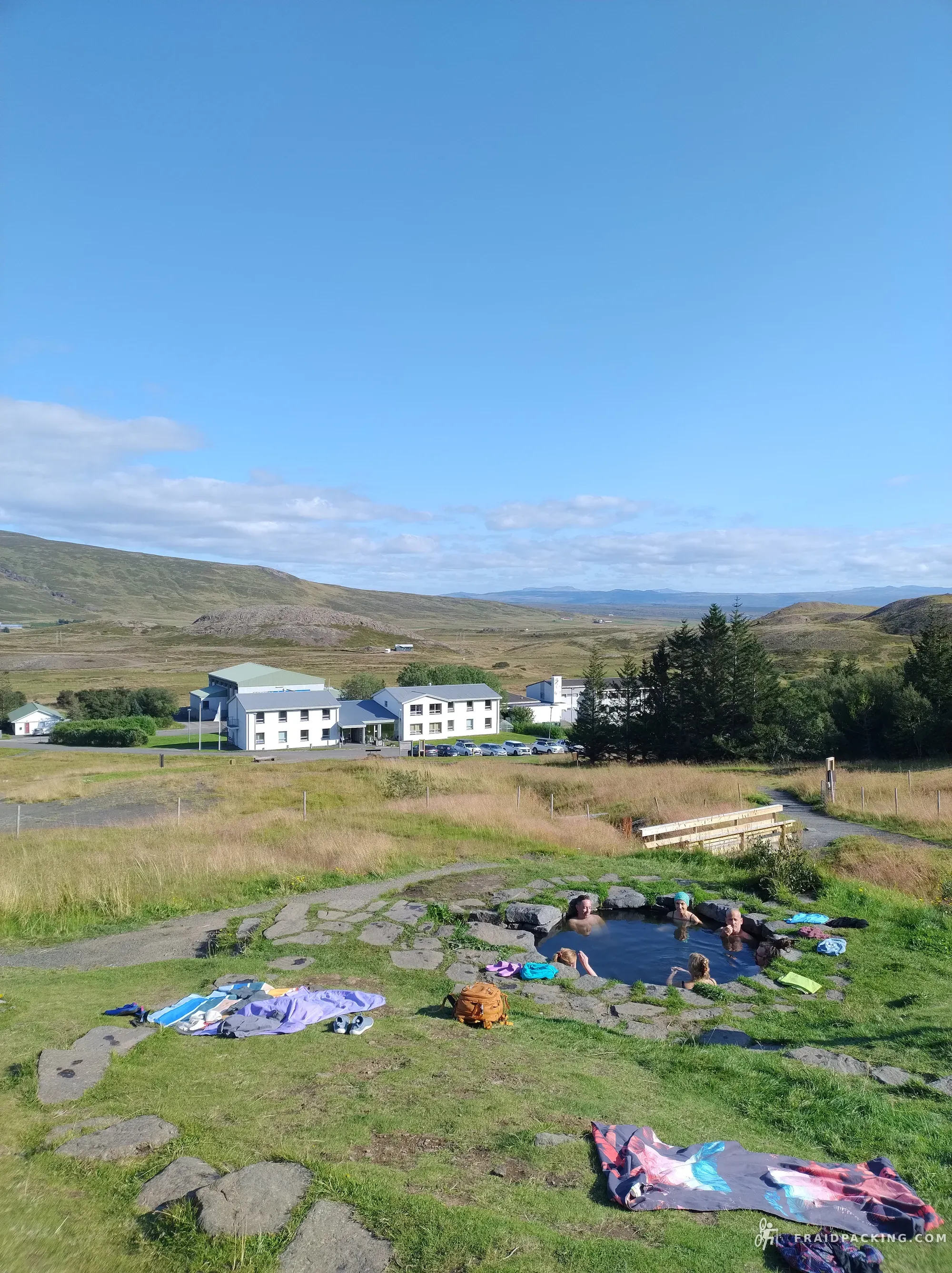
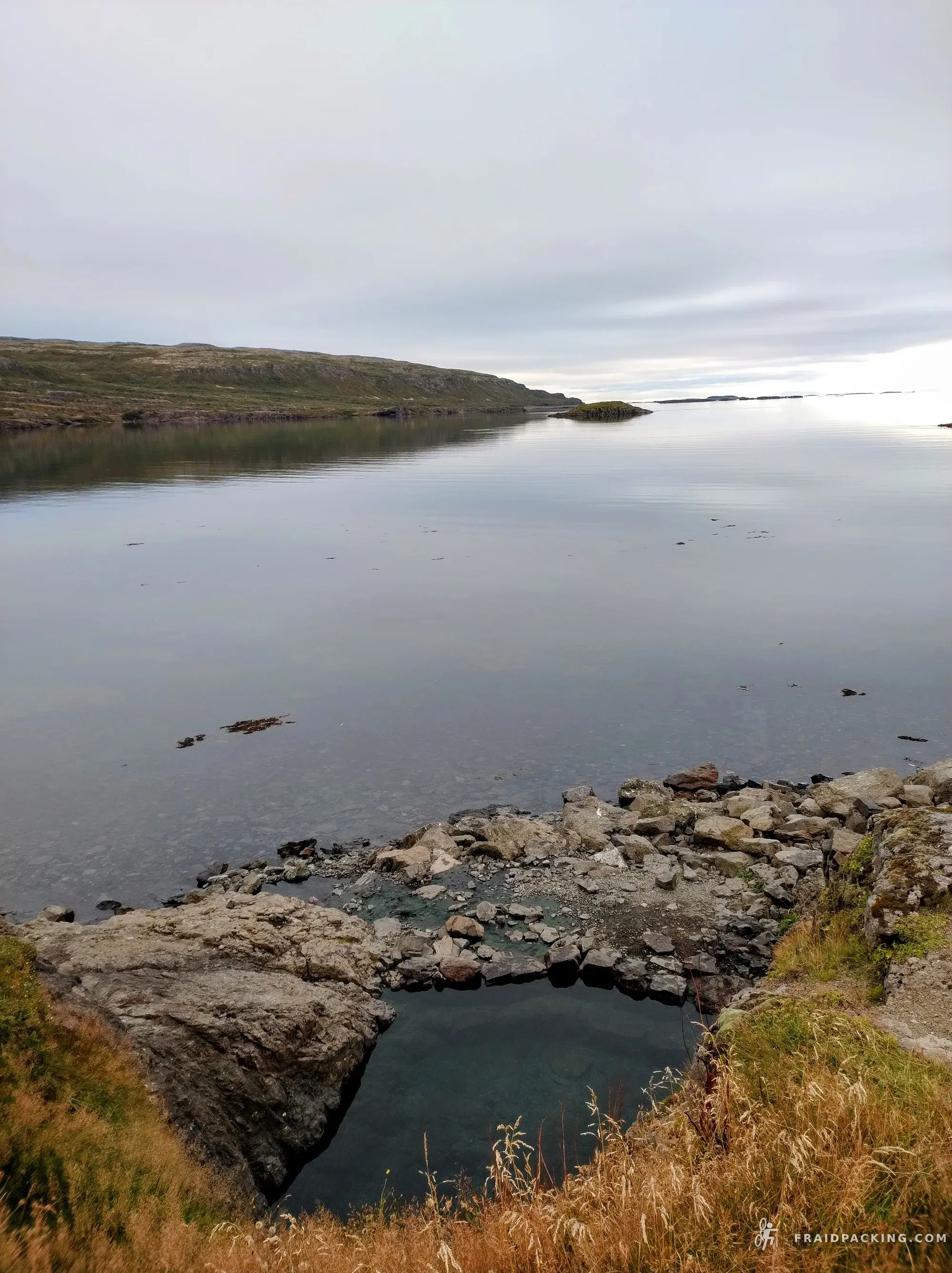
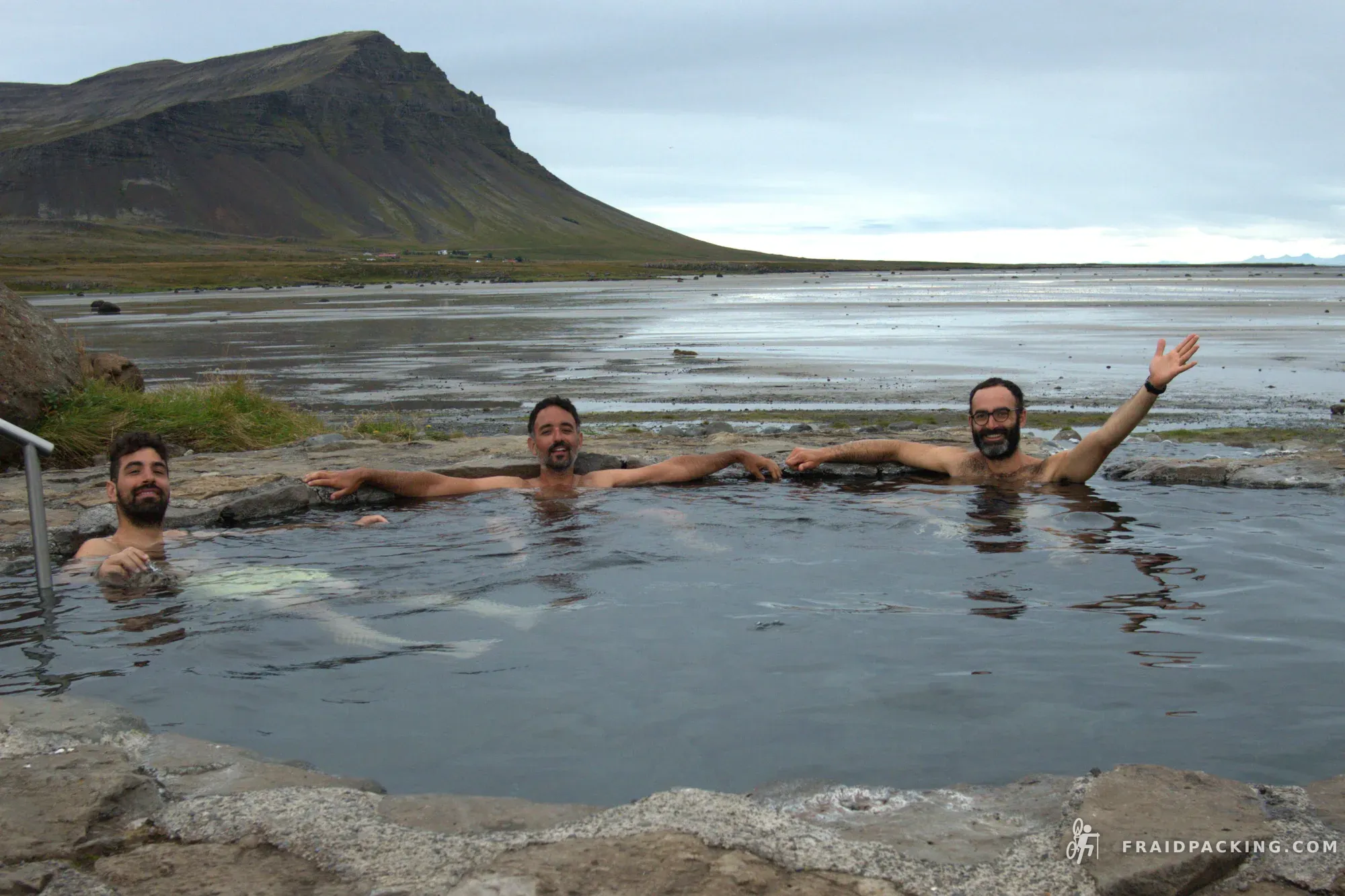
At the apex of the day's climbing, the Westfjords unfold in every direction — a fractured coastline of dark rock and pale sky, utterly still. Fifty-four kilometres sounds modest until the legs remind you of 1,300 metres of elevation folded into those roads, each pitch steeper and lonelier than the last. The landscape offers no shelter, just open tundra and the distant shimmer of fjord water far below. It is slow, effortful riding, and quietly magnificent.
- 16
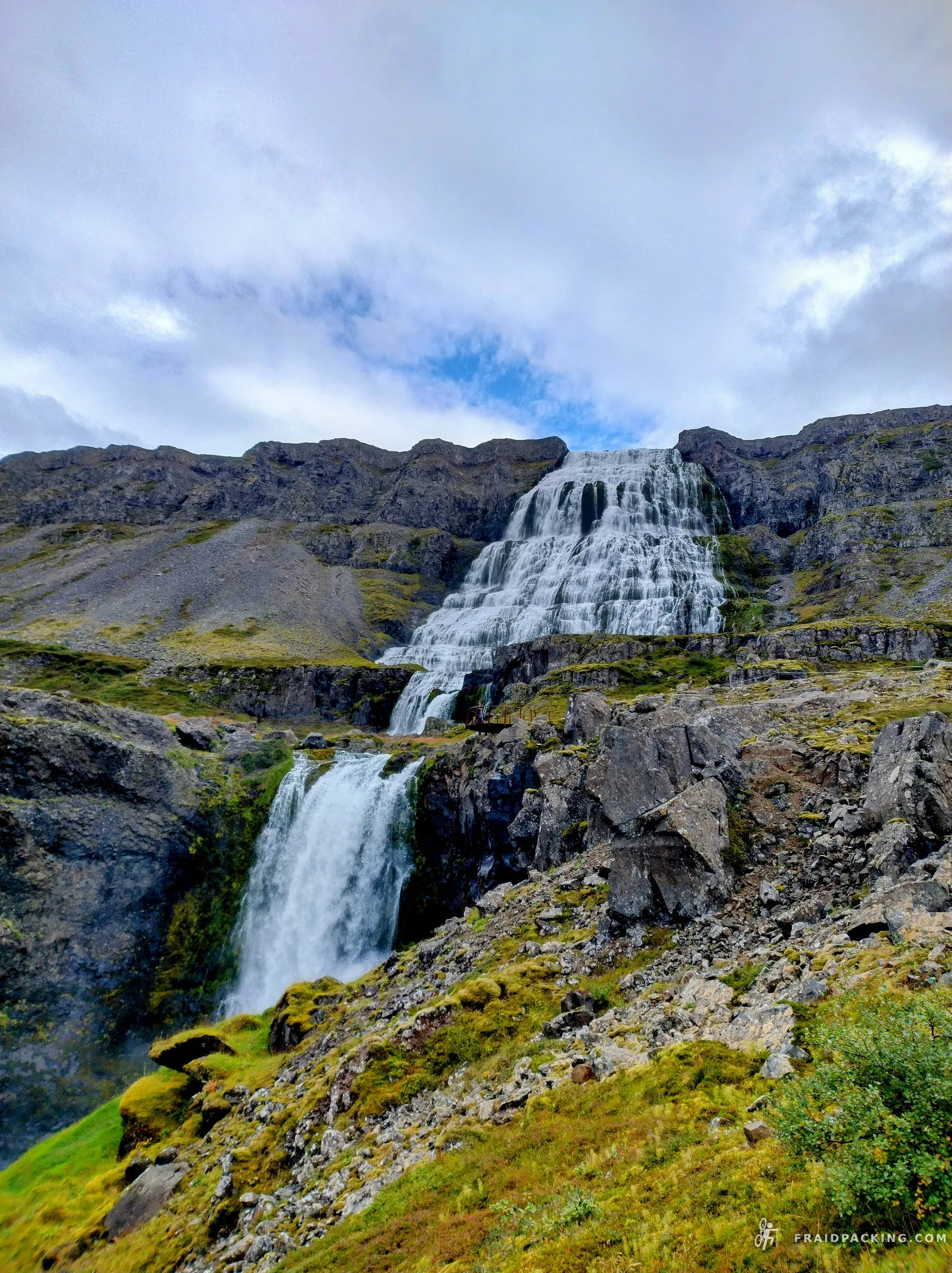
🇮🇸 Thingeyri
The day opens with a relentless reckoning — 1,741 metres of elevation compressed into 81 kilometres of Westfjords terrain, where every climb feels carved from the same raw, ancient stone. Steep fjord-side gradients demand everything from the legs, the road switchbacking through landscapes stripped of softness, where scree and tundra replace any pastoral comfort. The light here is horizontal and searching, catching the ridgelines in a way that makes distance deceptive. By the time the descent toward Ísafjarðarbær finally releases its grip, the body carries the full weight of what the Westfjords ask of those who cross them honestly.
- 17
🇮🇸 Isafjördur
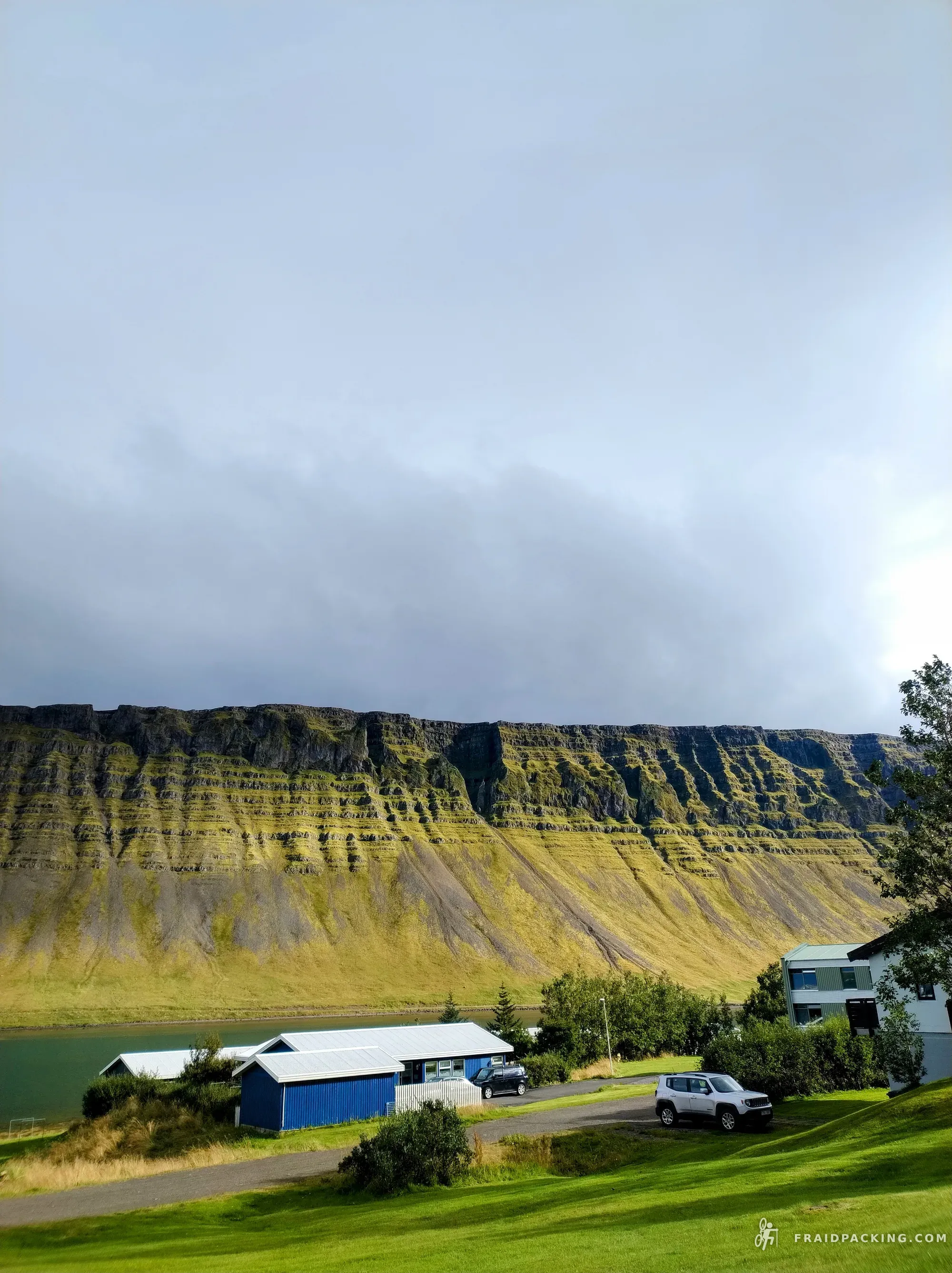
From the high ground above Ísafjarðarbær, the fjords below fracture the coastline into a maze of silver inlets and steep-walled peninsulas. This penultimate loop demands over 1,300 metres of climbing across just 52 kilometres, the gradients relentless and the road narrow where it clings to cliff edges. Wind moves constantly here, pressing against the rider on every exposed ridge before releasing them into sheltered hollows that smell of wet grass and salt. It is a day that earns its views.
- 18
🇮🇸 Isafjordur hike
The town shrinks quickly underfoot, replaced by open sky and the austere silence of the Westfjords. It is a fitting farewell — small in distance, enormous in what it asks.
- 19
🇮🇸 Volcano Hike
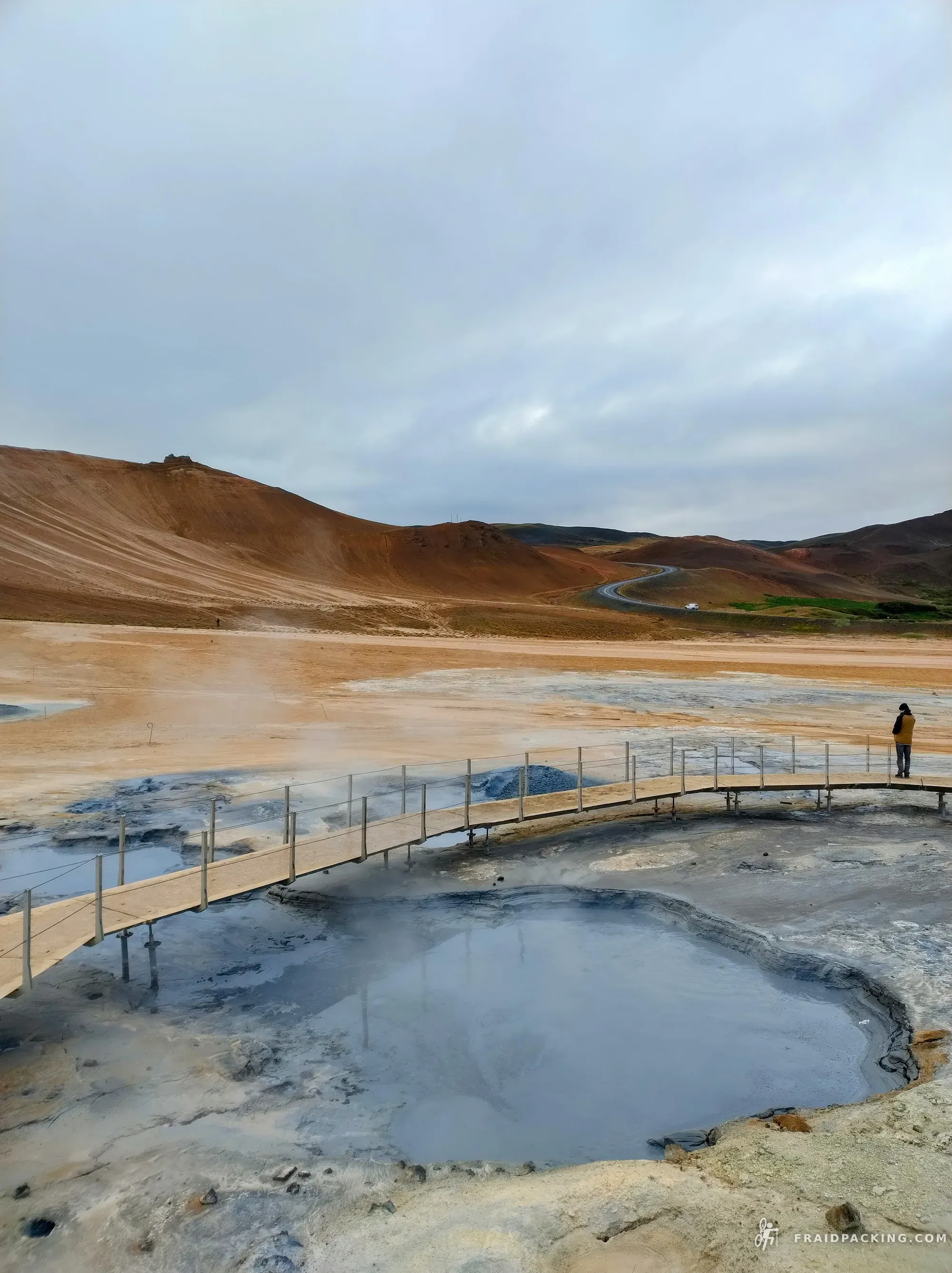
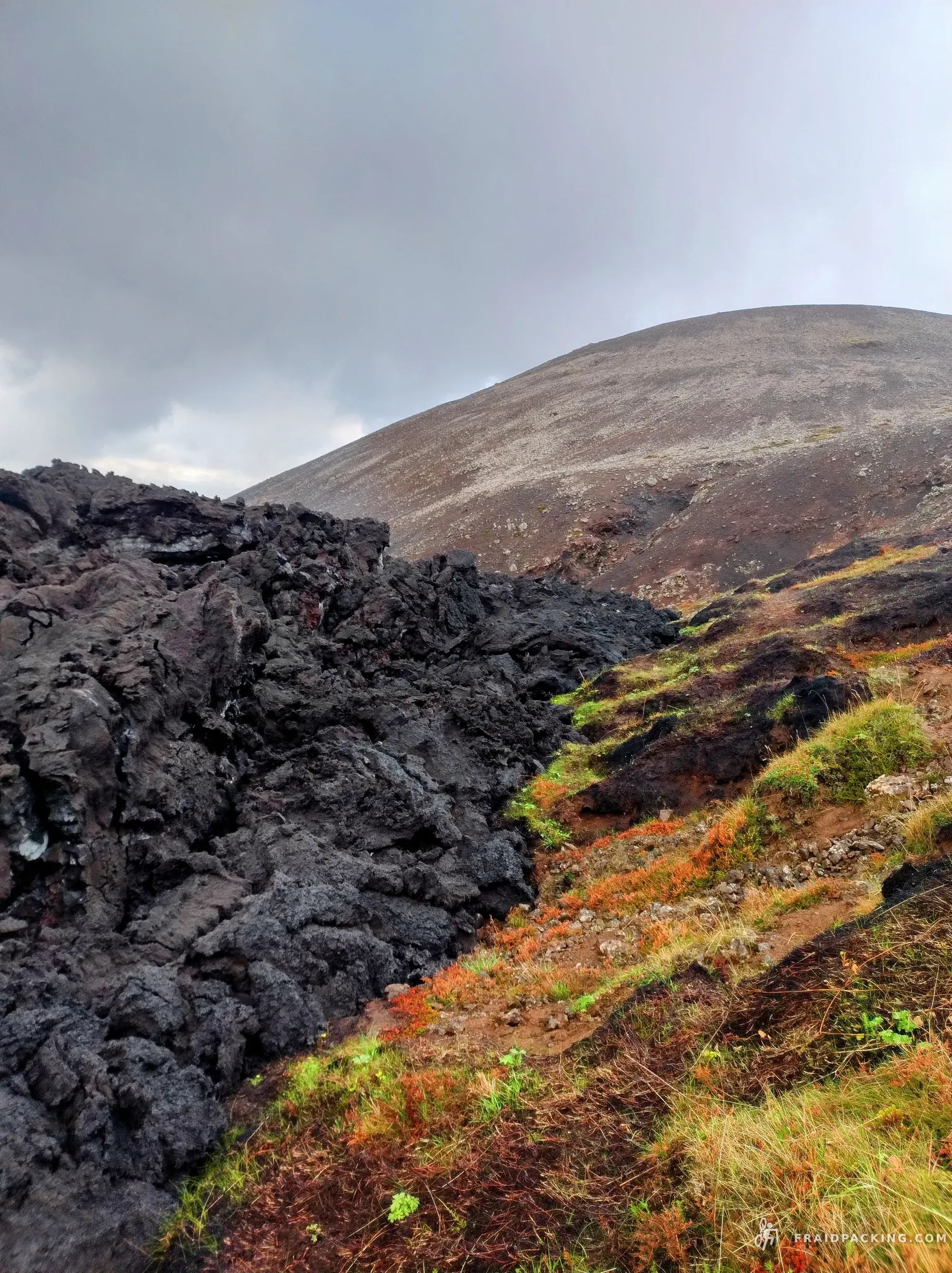
Lava fields stretch in every direction, raw and lunar, the ground still hissing with geothermal breath beneath a sky that could turn in minutes.
Photos