Sardegna

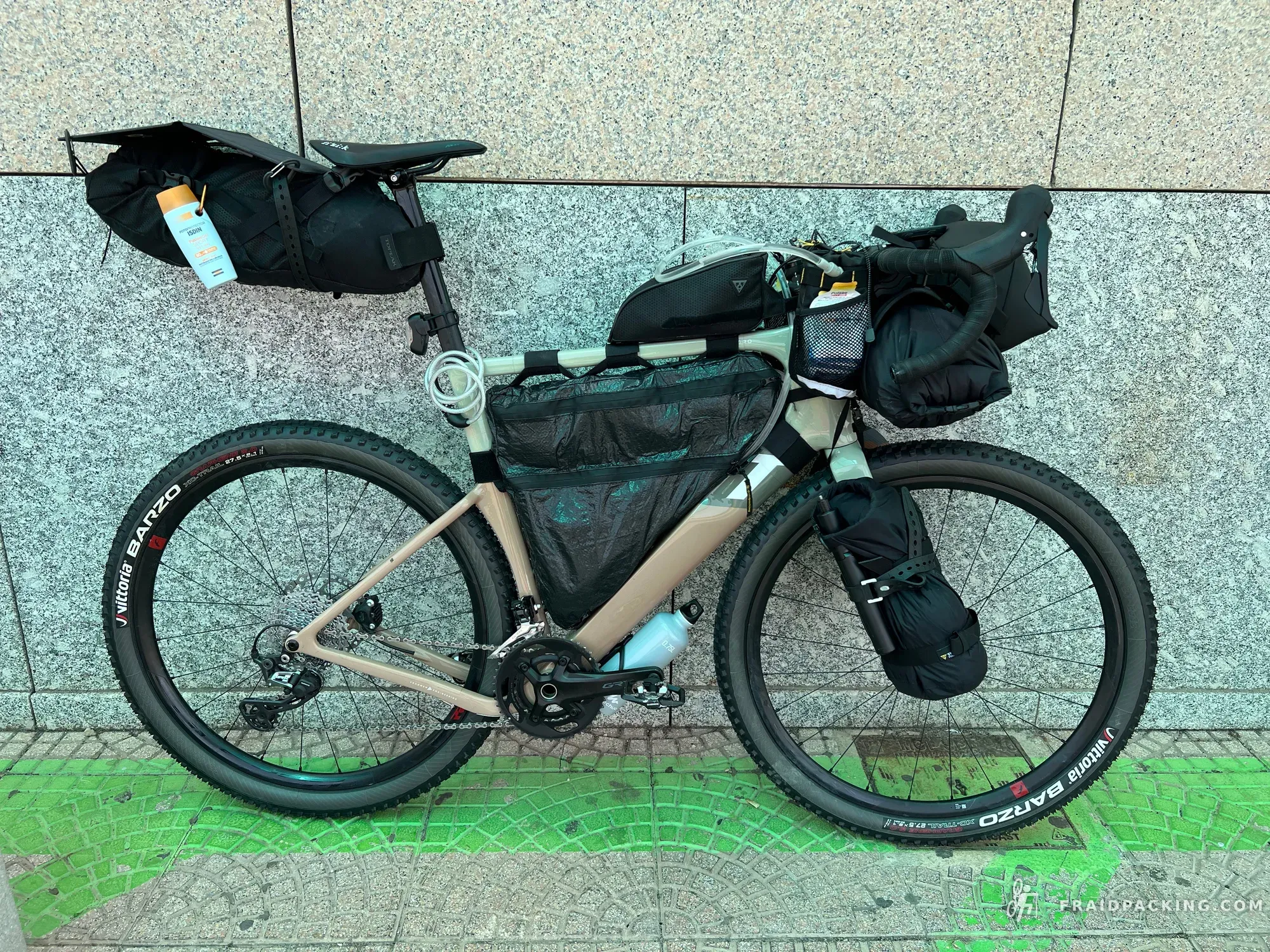
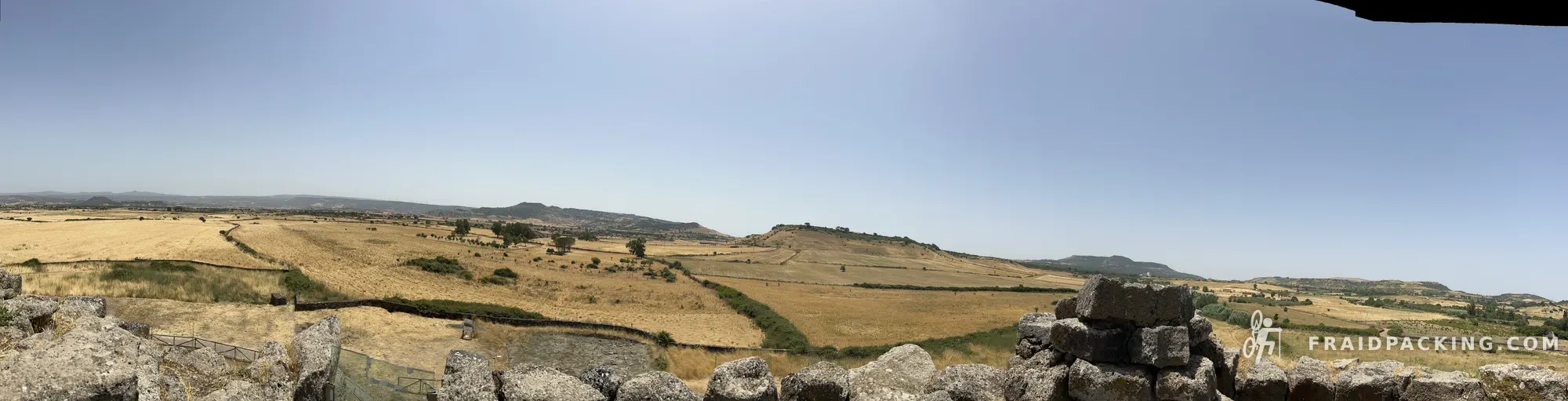
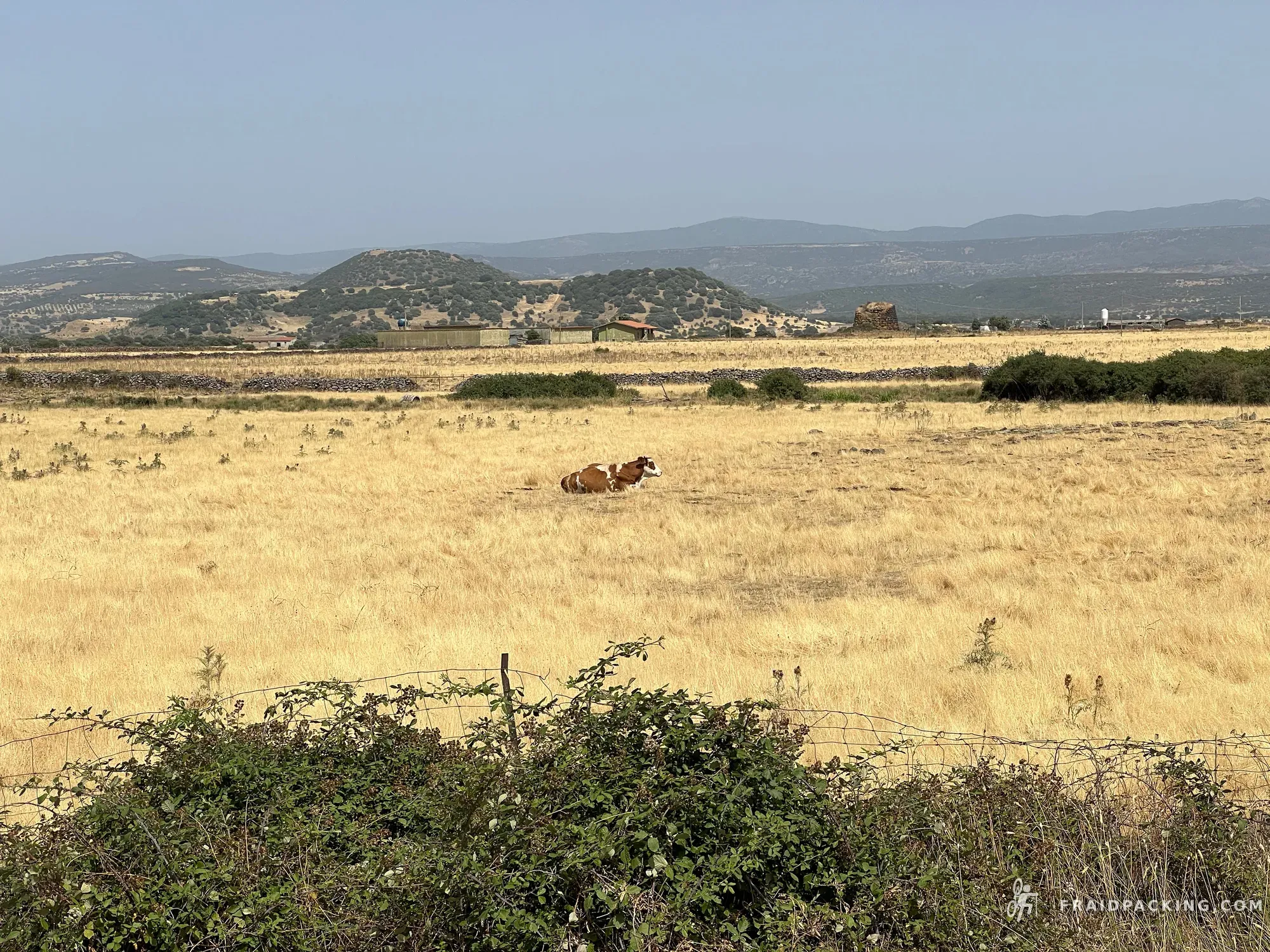
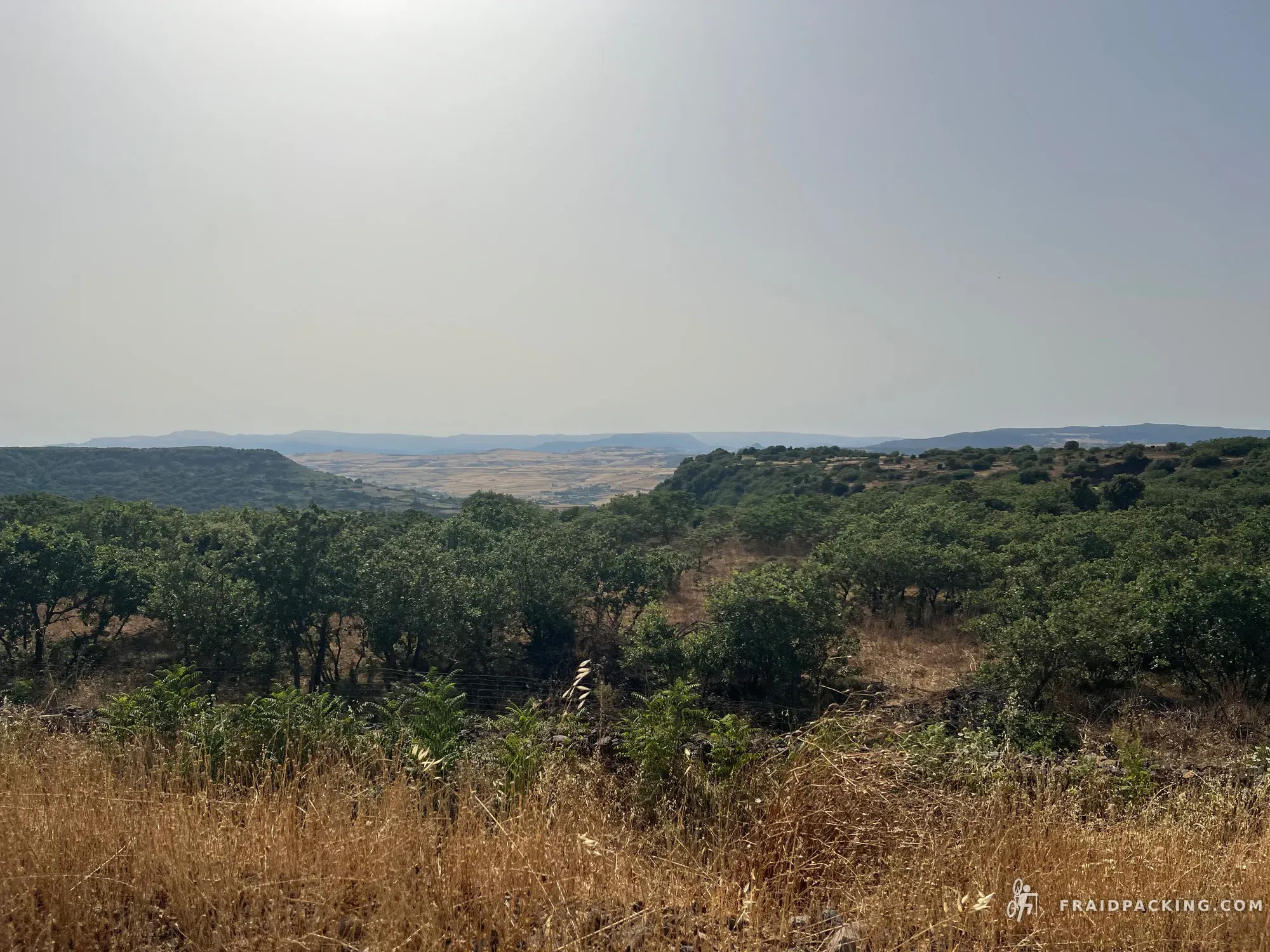
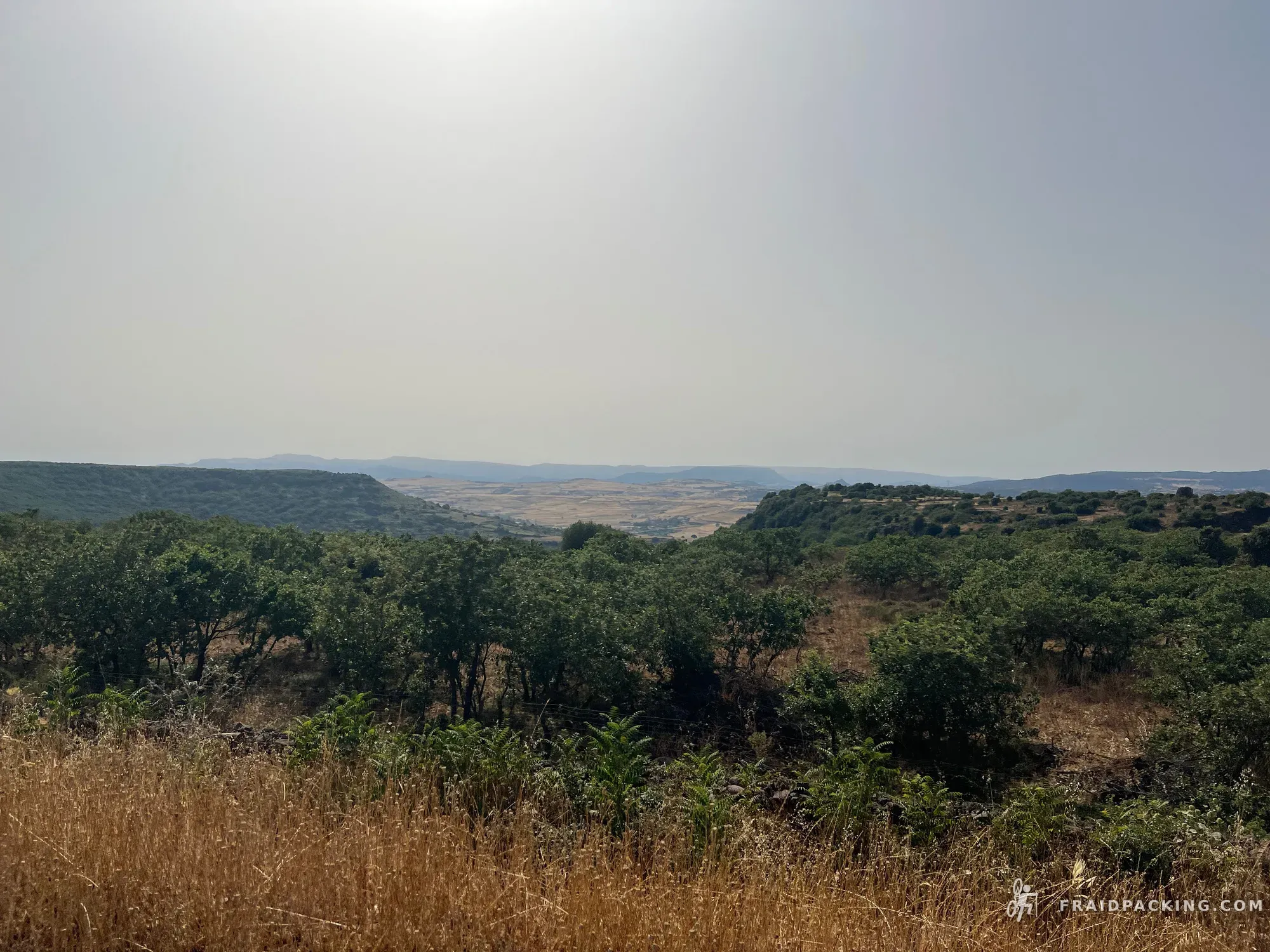
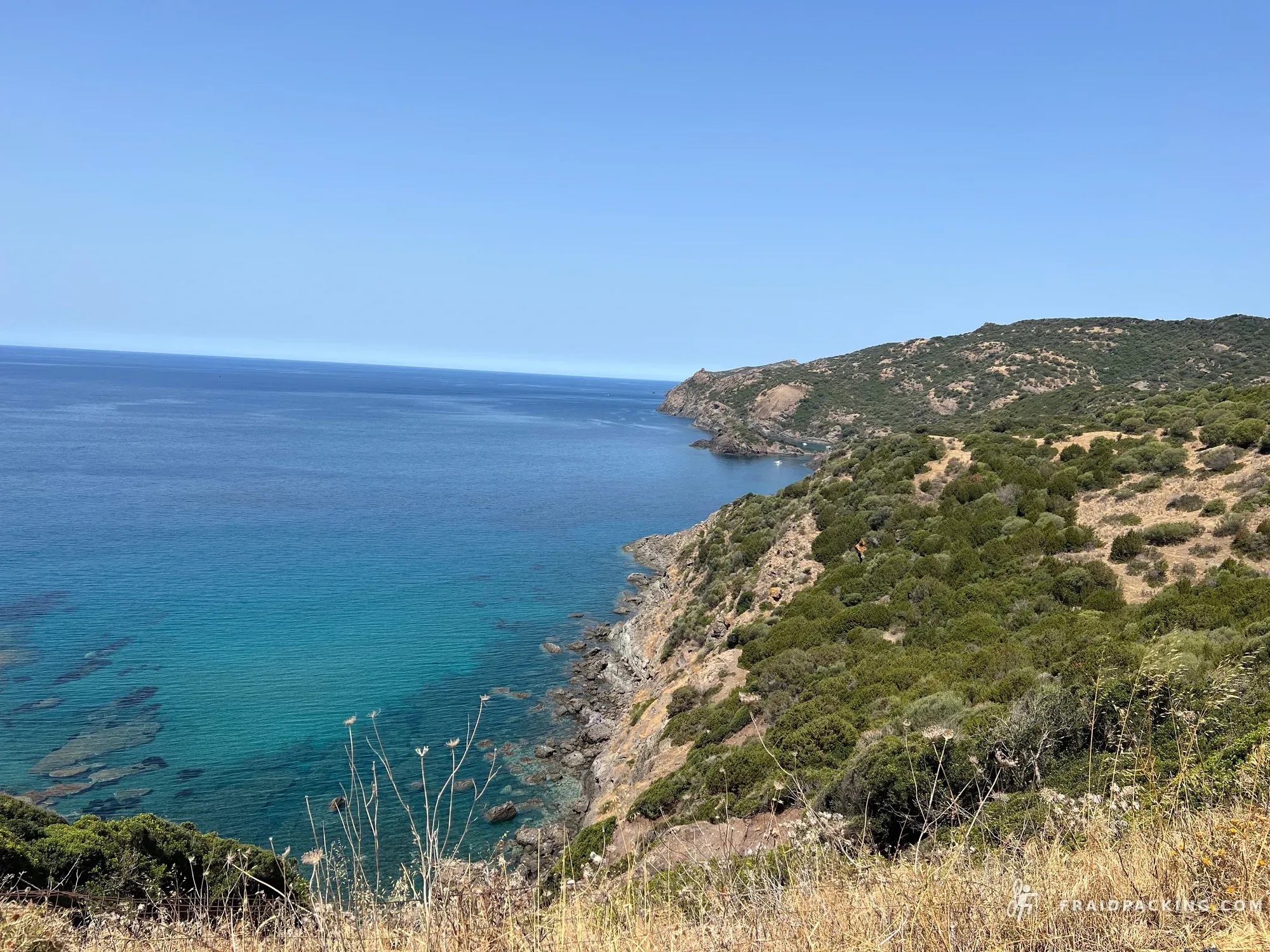
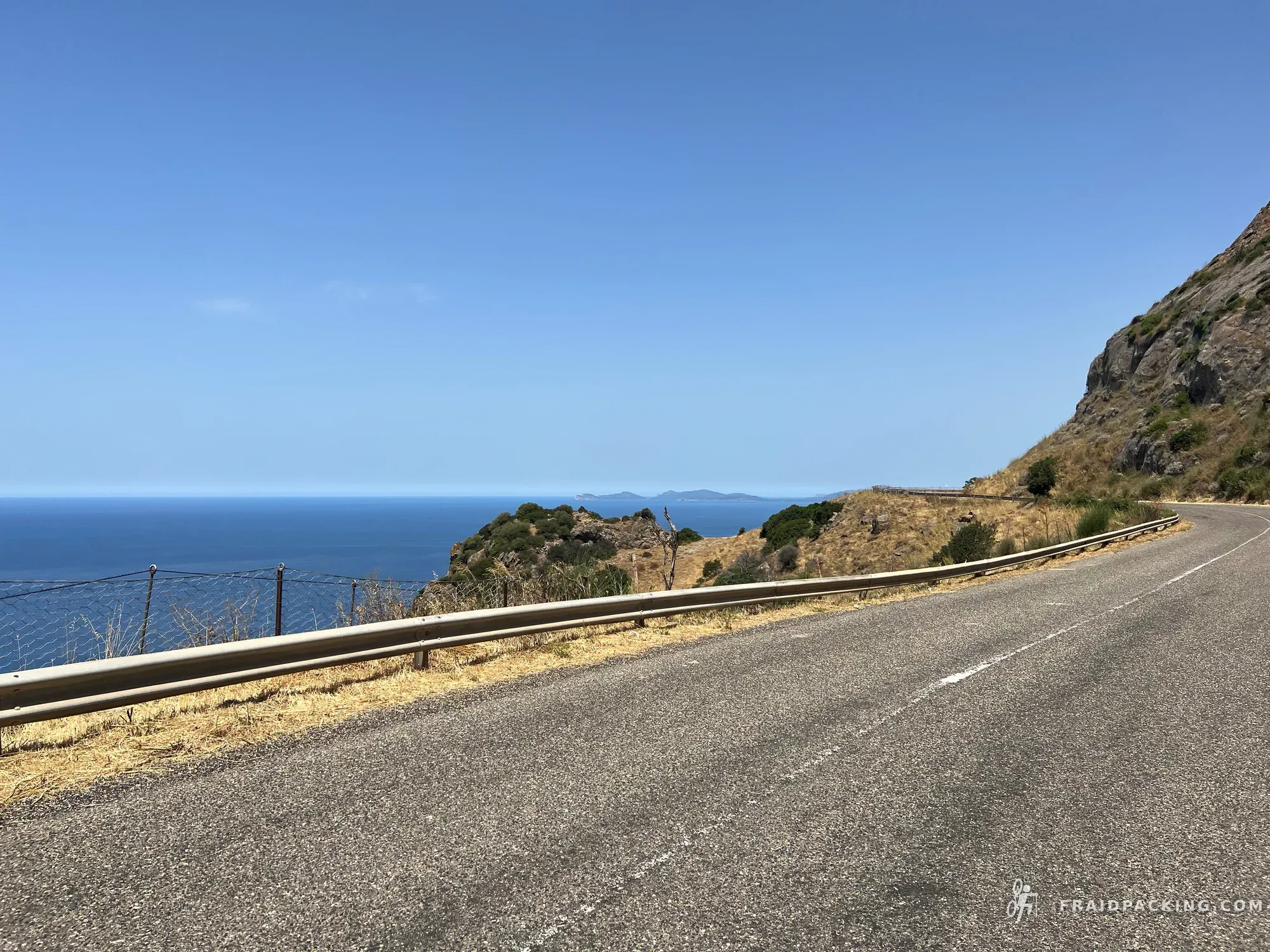
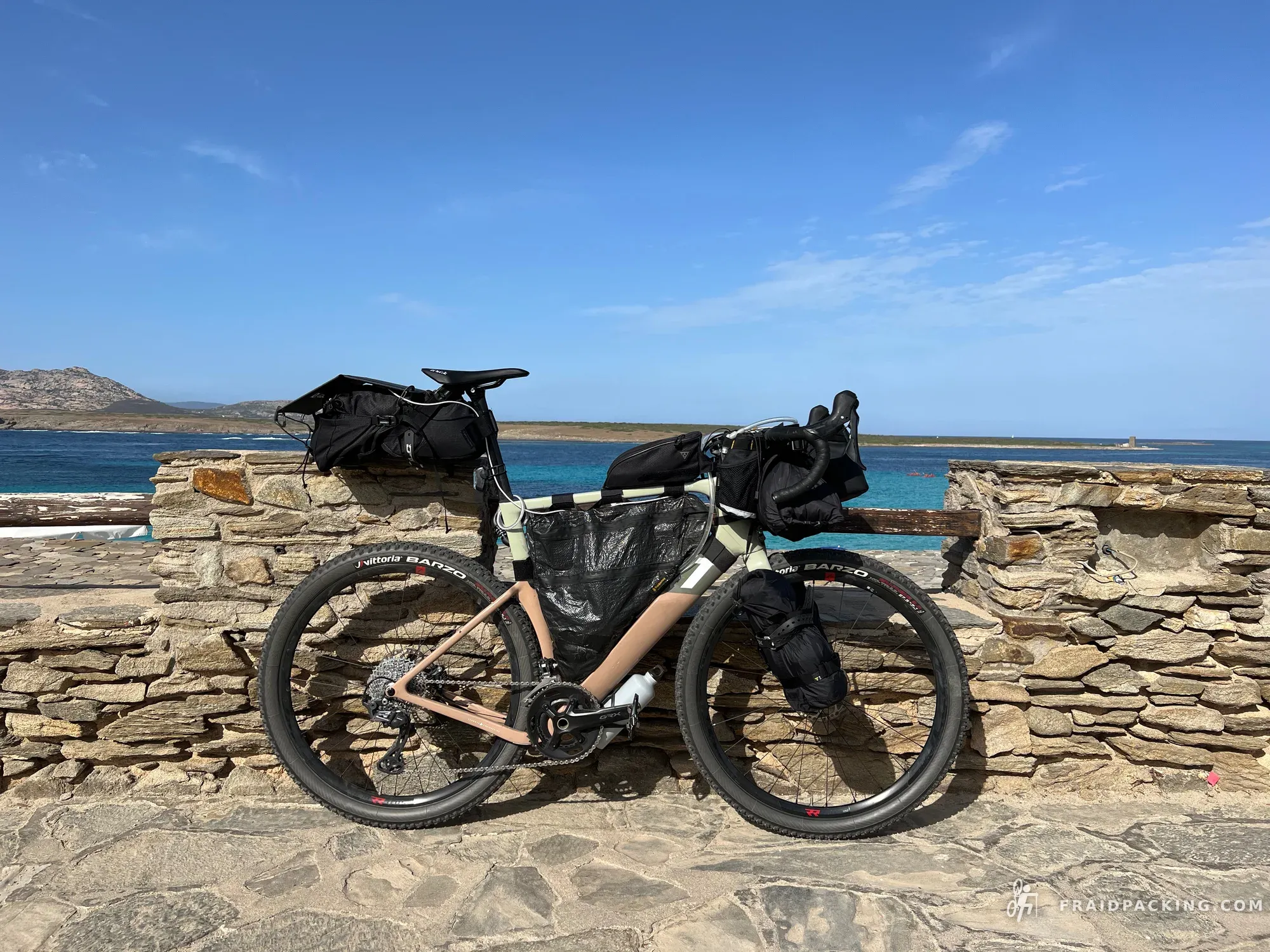
Seven days, 452 kilometres, and 4,410 metres of climbing across one of the Mediterranean's most fiercely beautiful island. This solo gravel traverse of Sardinia cuts through sun-scorched interior plateaus, rugged mountain passes, and coastline edged in juniper and stone, demanding both physical endurance and a willingness to get genuinely lost in a landscape that feels ancient and unhurried. The route unfolds at a pace that rewards patience, each day peeling back another layer of the island's character — remote villages, shepherd tracks, and long dirt roads stretching toward the horizon under open Sardinian sky.
Route
↓ Download GPX- 1
Sardegna - Day 1
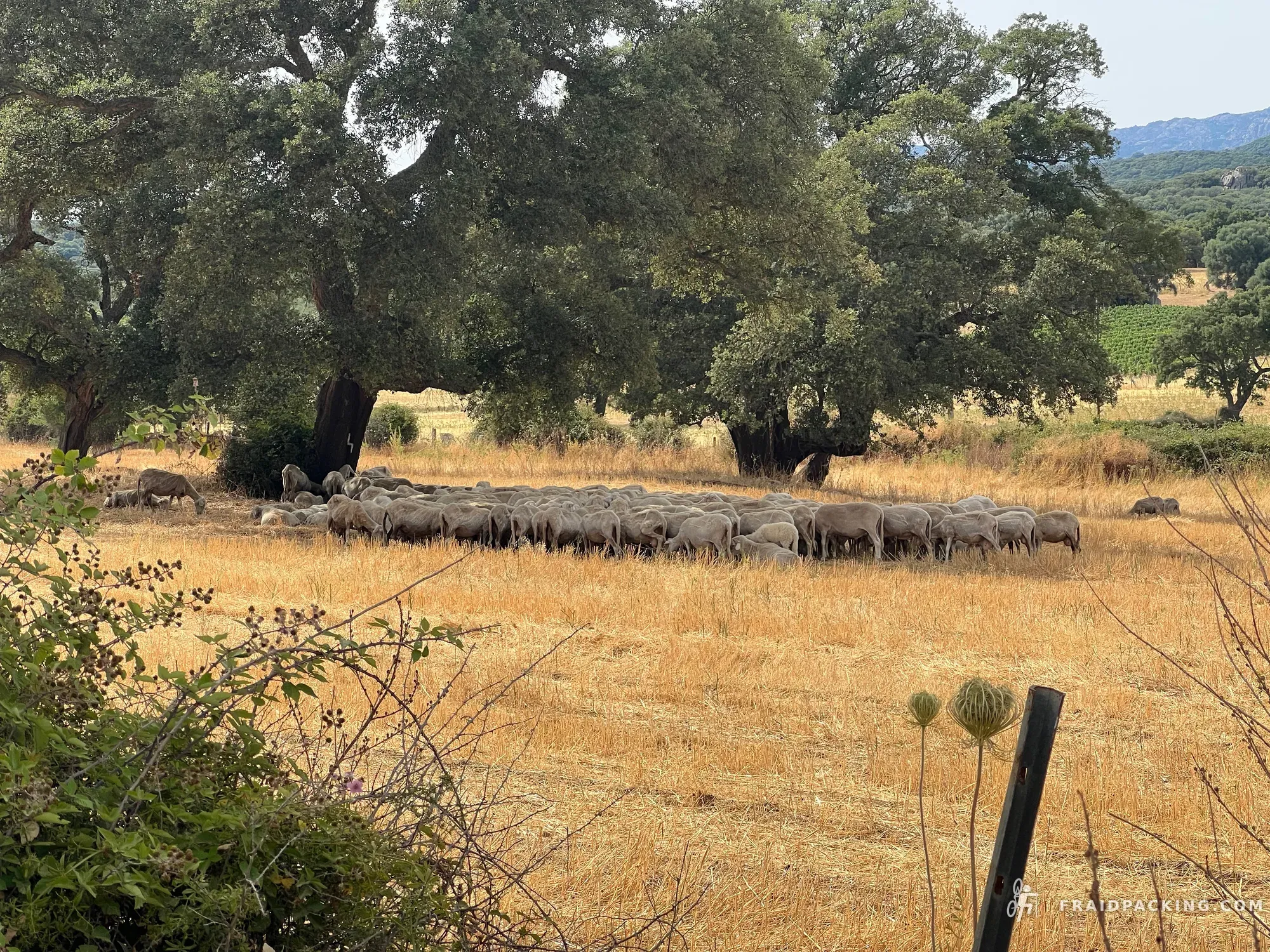
The road climbs away from the coast and the glitter of Olbia's harbor fades behind a curtain of cork oak and maquis, the air thickening with the resinous scent of scrubland baking in the heat. Nearly 900 meters of elevation earn a gradual revelation: ridgelines folding into ridgelines, pale limestone breaking through the brush, a landscape that feels ancient and unhurried. The legs find their rhythm on long, rolling ascents where effort and silence become the same thing, and by the time Ozieri appears in the valley below, the body has already learned the particular grammar of Sardinian terrain.
- 2
Sardegna - Day 2
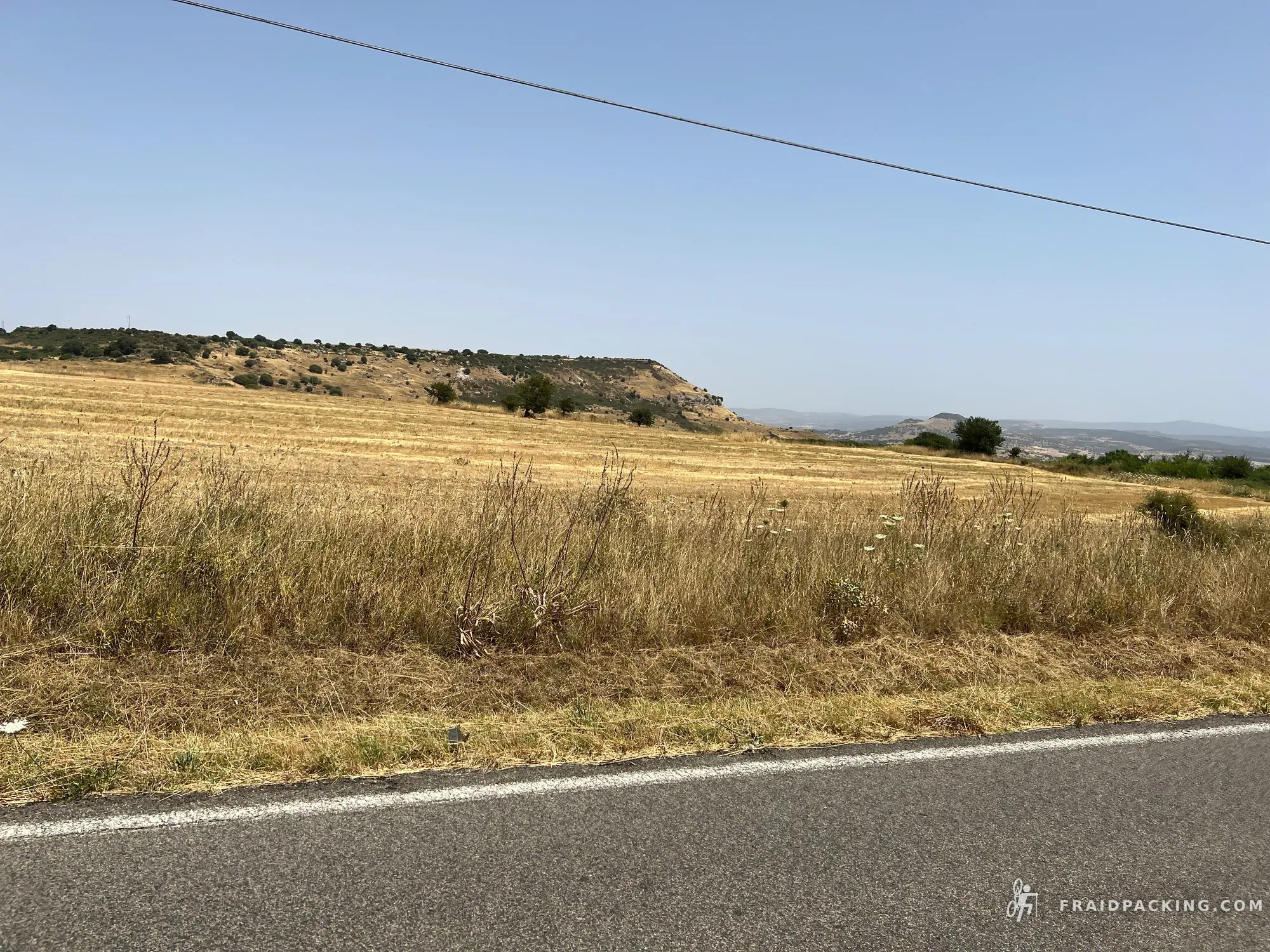
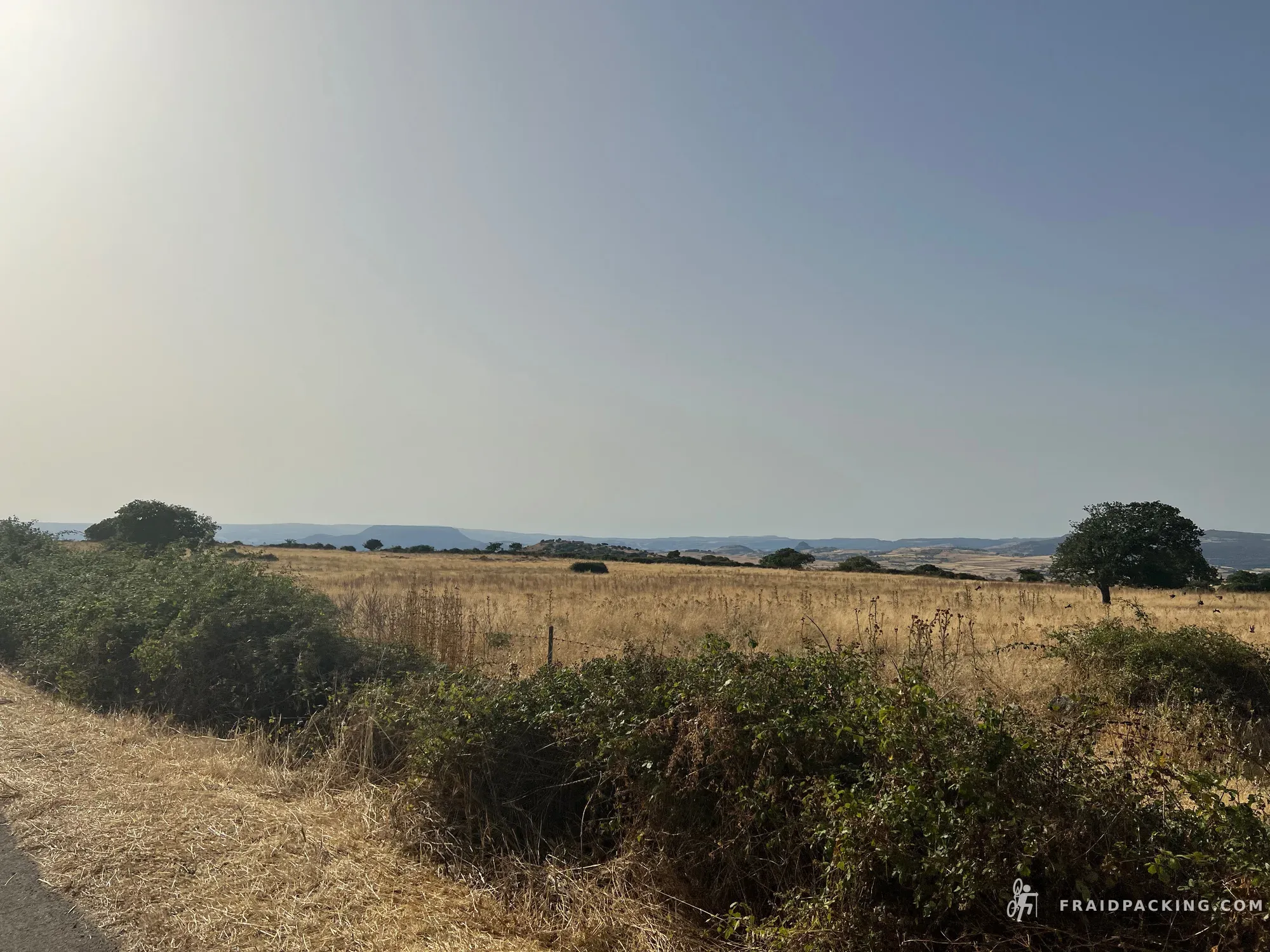
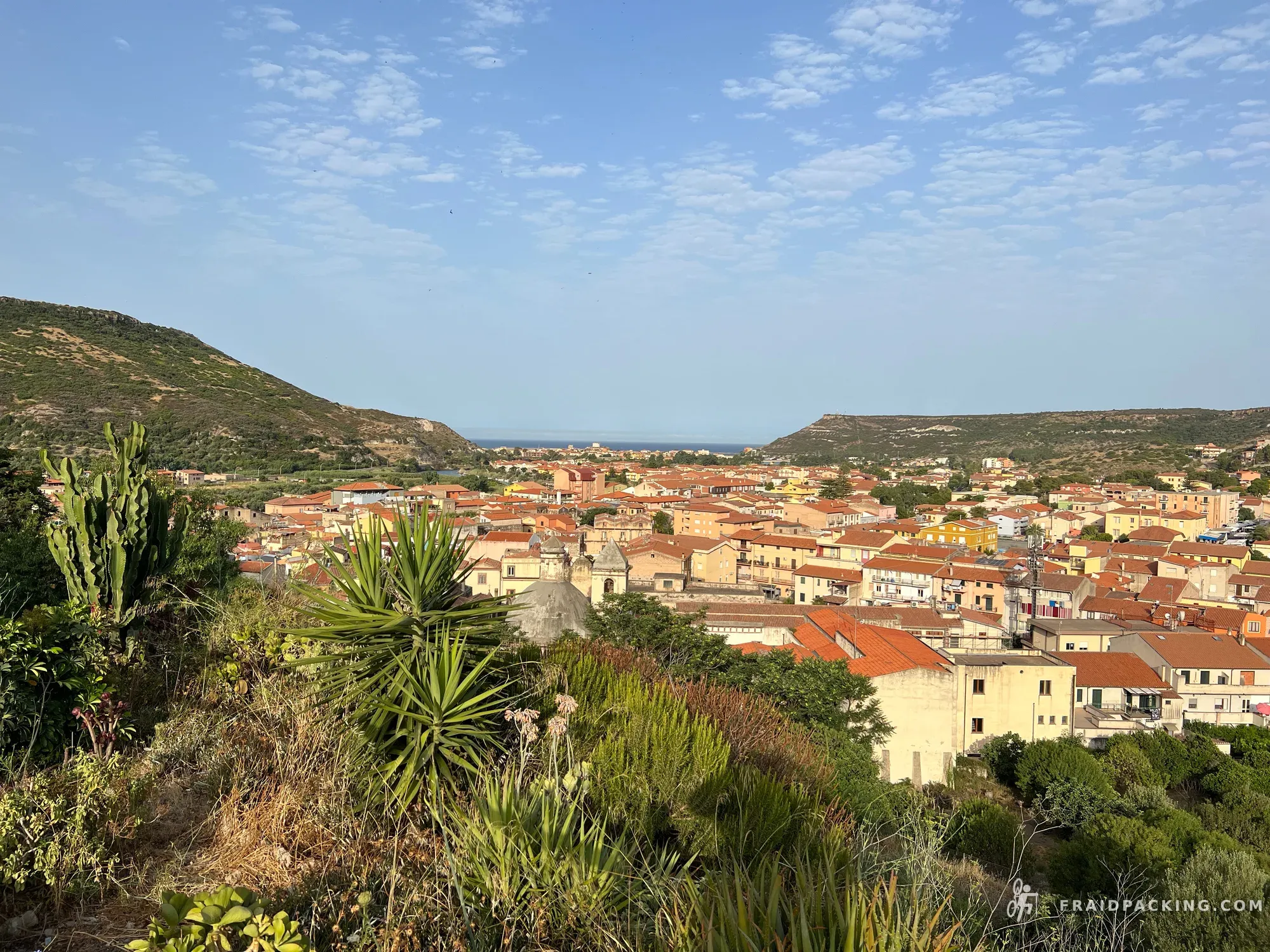
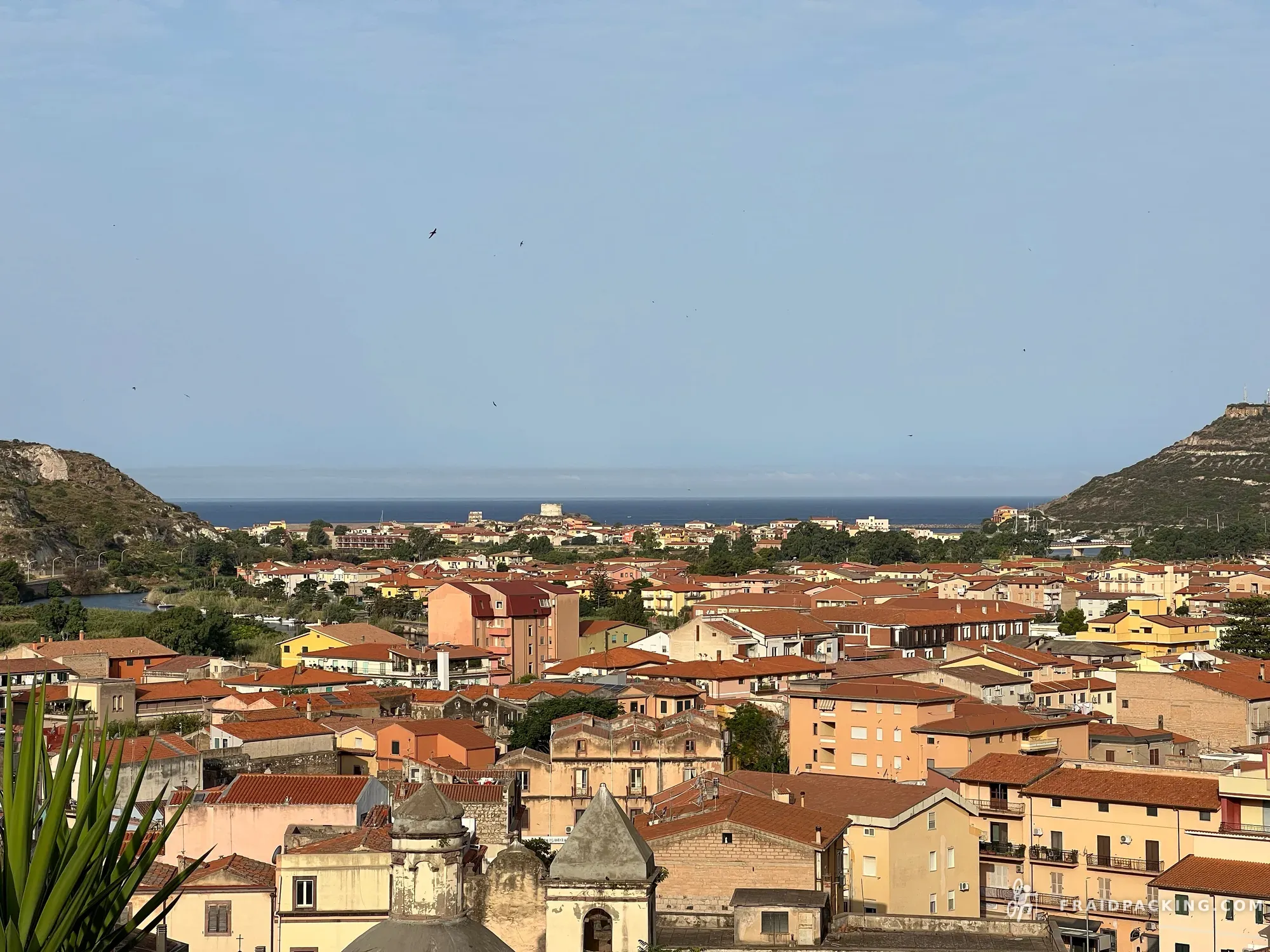
The legs earn their rest early, grinding out a long inland climb from Ozieri through dry scrubland where the heat presses down and the road seems to stretch without mercy. But the effort opens the route westward onto quieter plateau country, where stone walls and cork oaks mark a slower Sardinia, unhurried and self-contained. The final descent toward the coast carries a salt-edged breeze before Bosa appears below, its pastel-coloured houses stacked above the river mouth. Ninety kilometres, nearly 850 metres of climbing — a full day, honestly earned.
- 3
Sardegna - Day 3
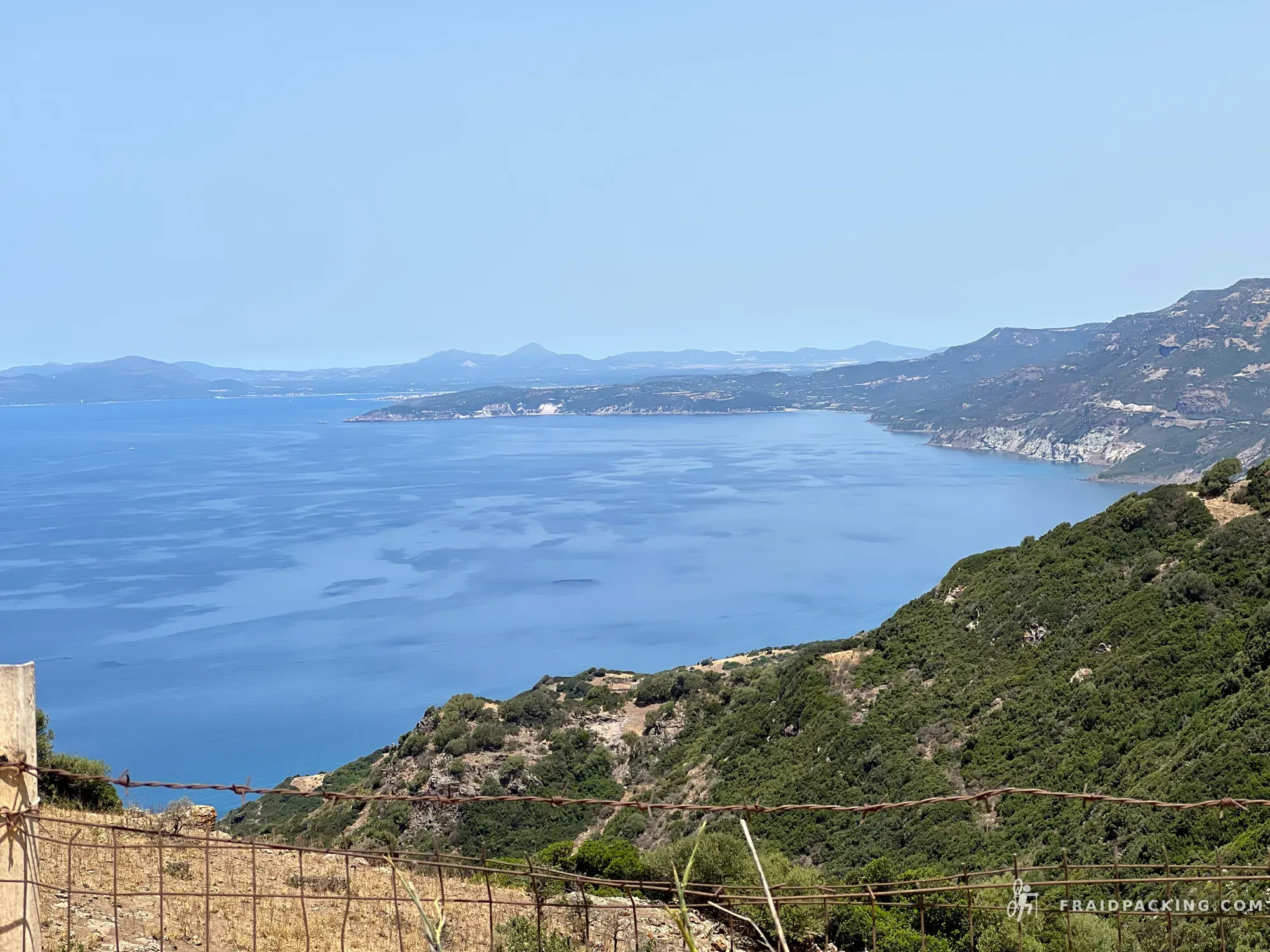
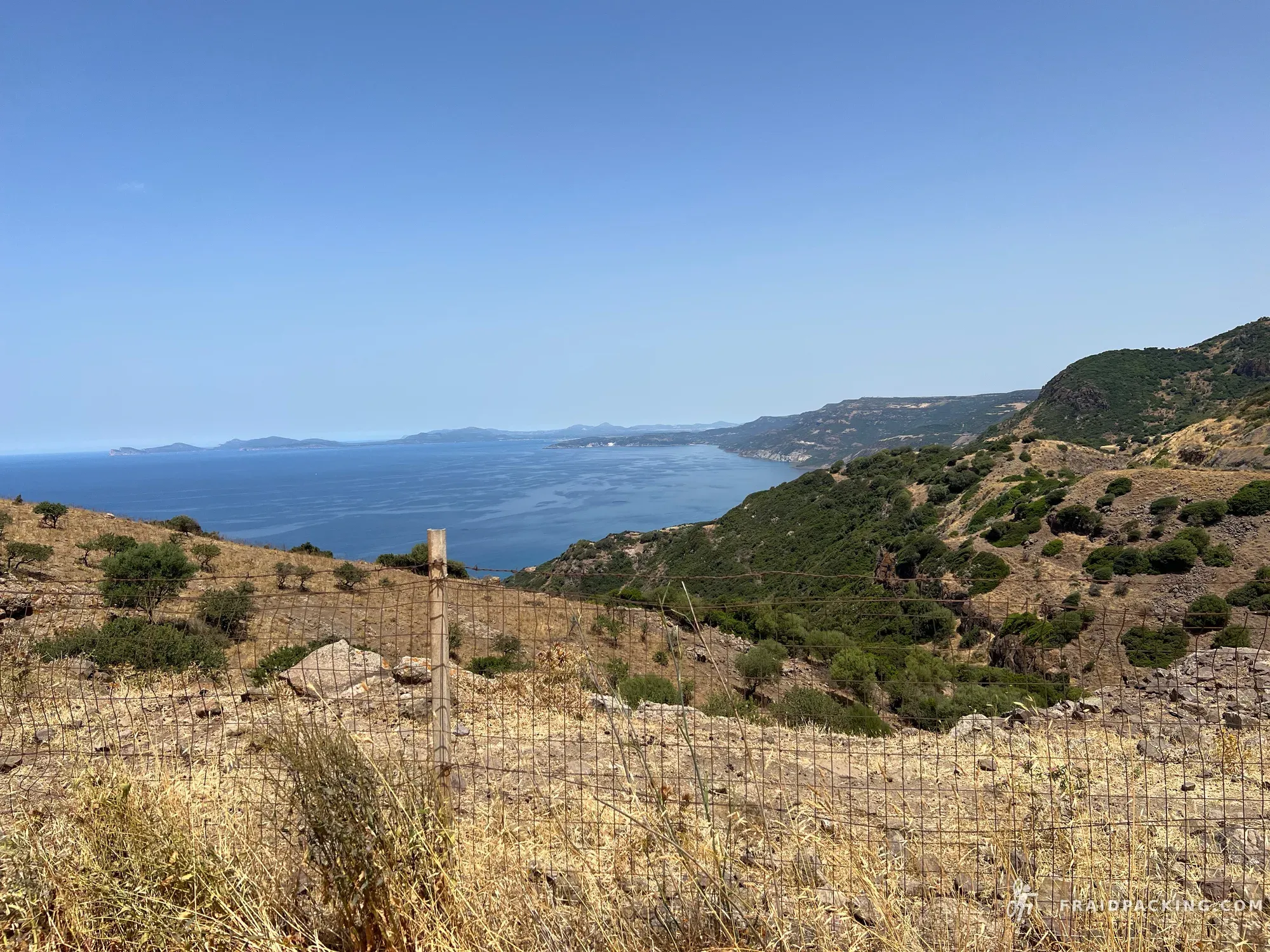
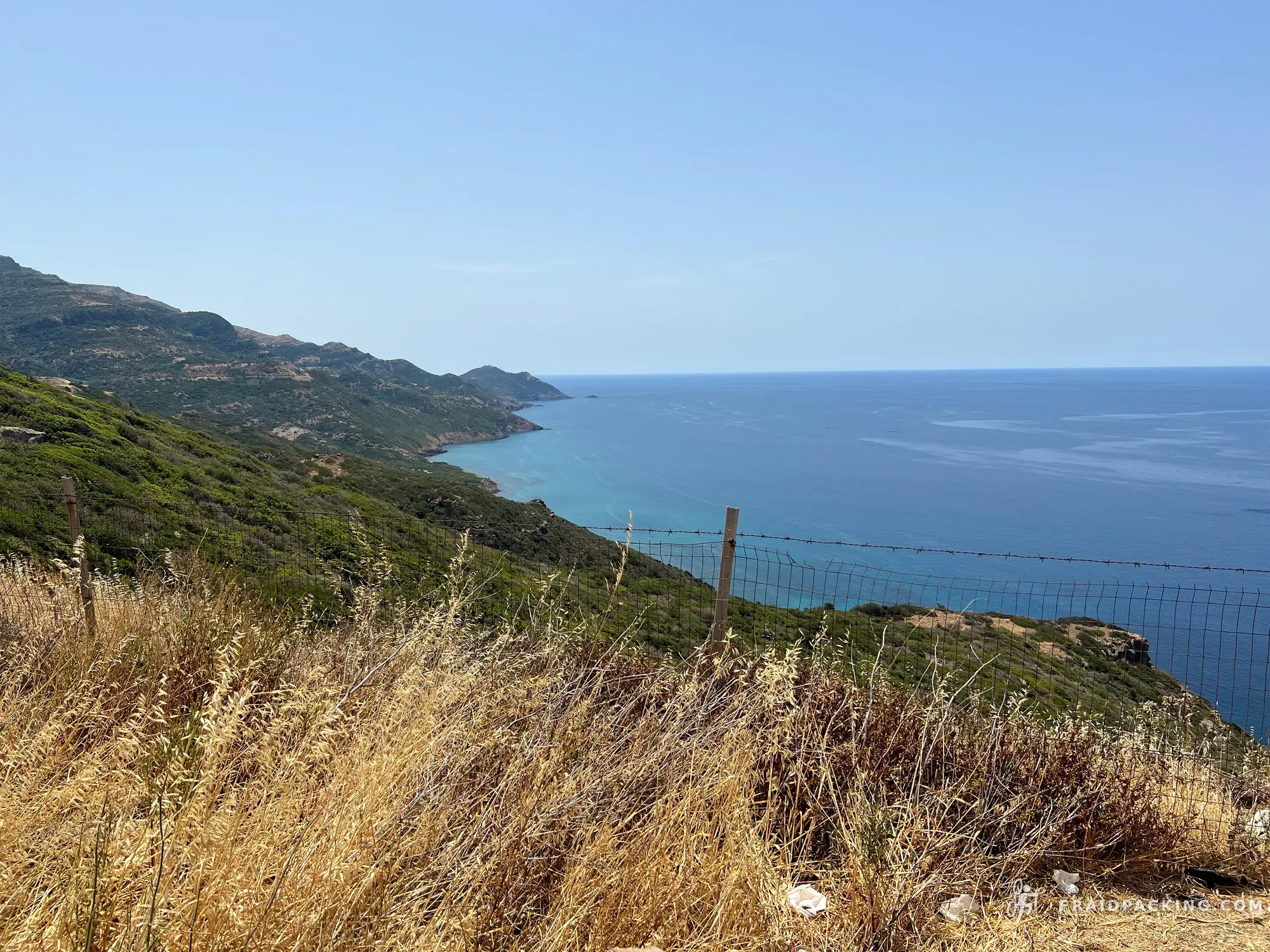
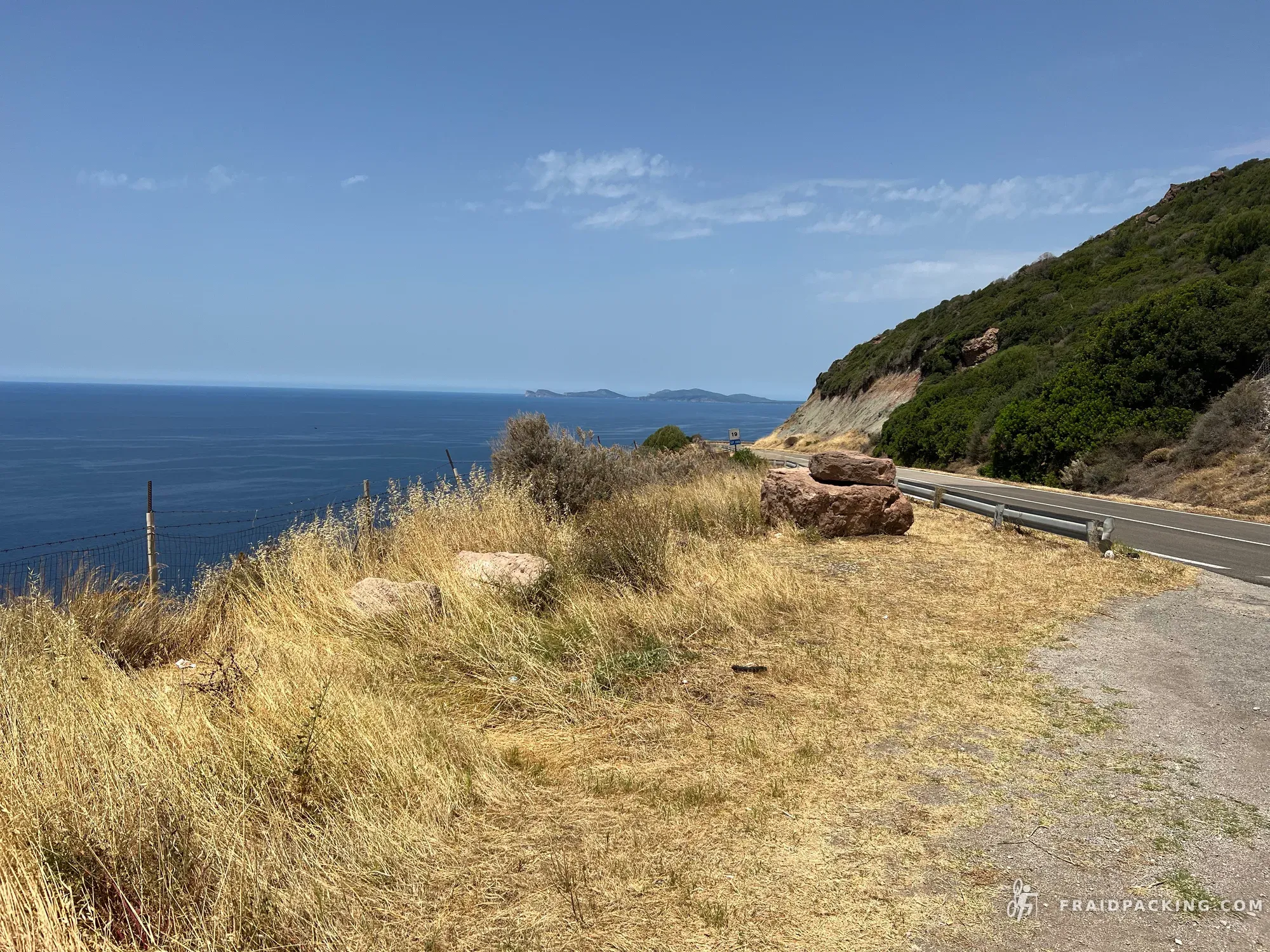
The morning air leaving Bosa carries salt and wild fennel, the town's pastel towers shrinking in the mirror as the road climbs into sun-bleached scrubland. For 45 kilometres the route threads a rugged coastal hinterland, 762 metres of ascent wrung from short, punishing ramps that give way to long, rolling plateaux studded with cork oak and mastic. The effort is honest and unrelenting, but each crest rewards with a sudden blue flash of the Mediterranean below. By the time the white walls of Alghero come into view, legs are heavy and the light has turned amber and generous.
- 4
Sardegna - Day 4
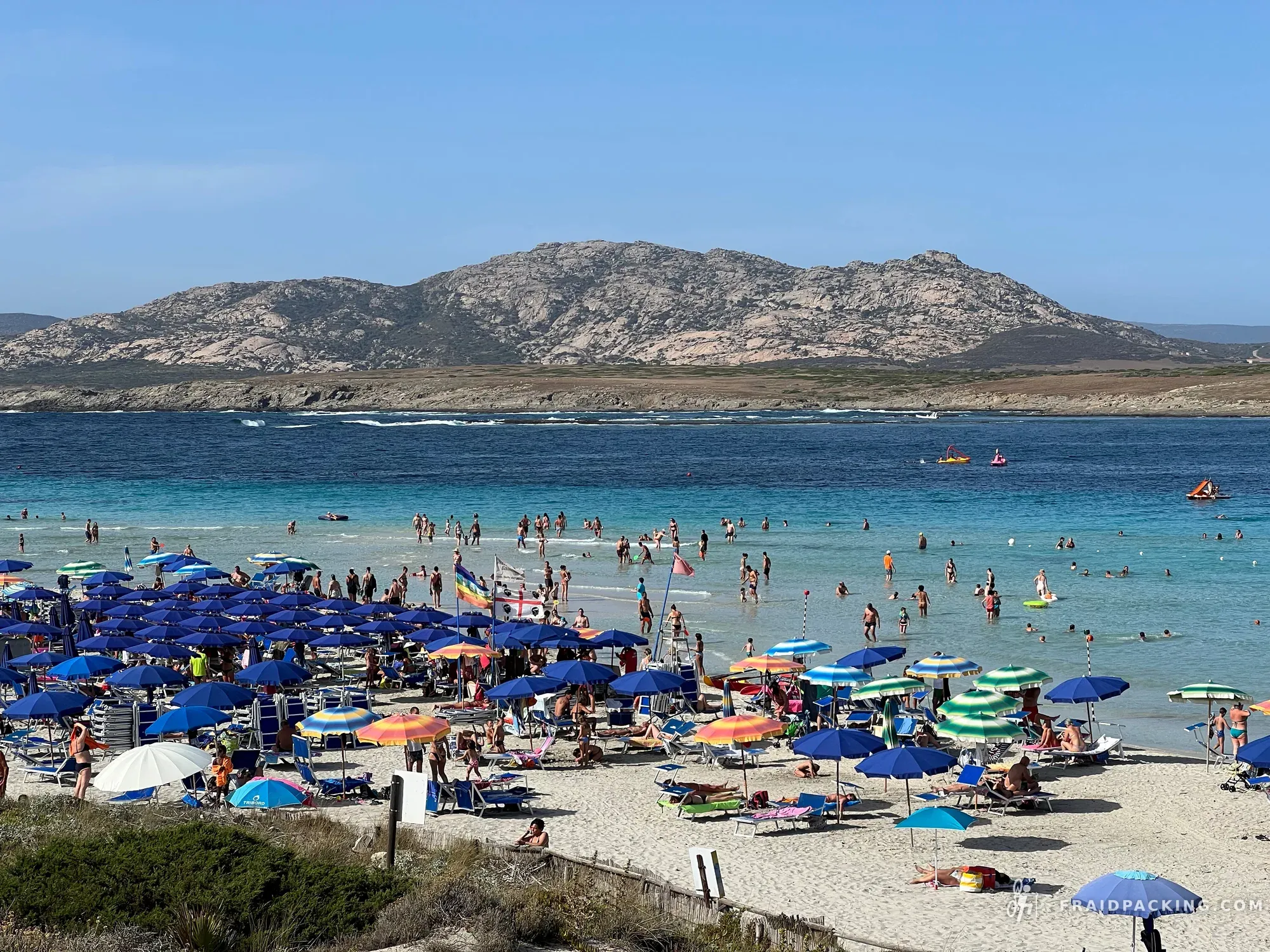
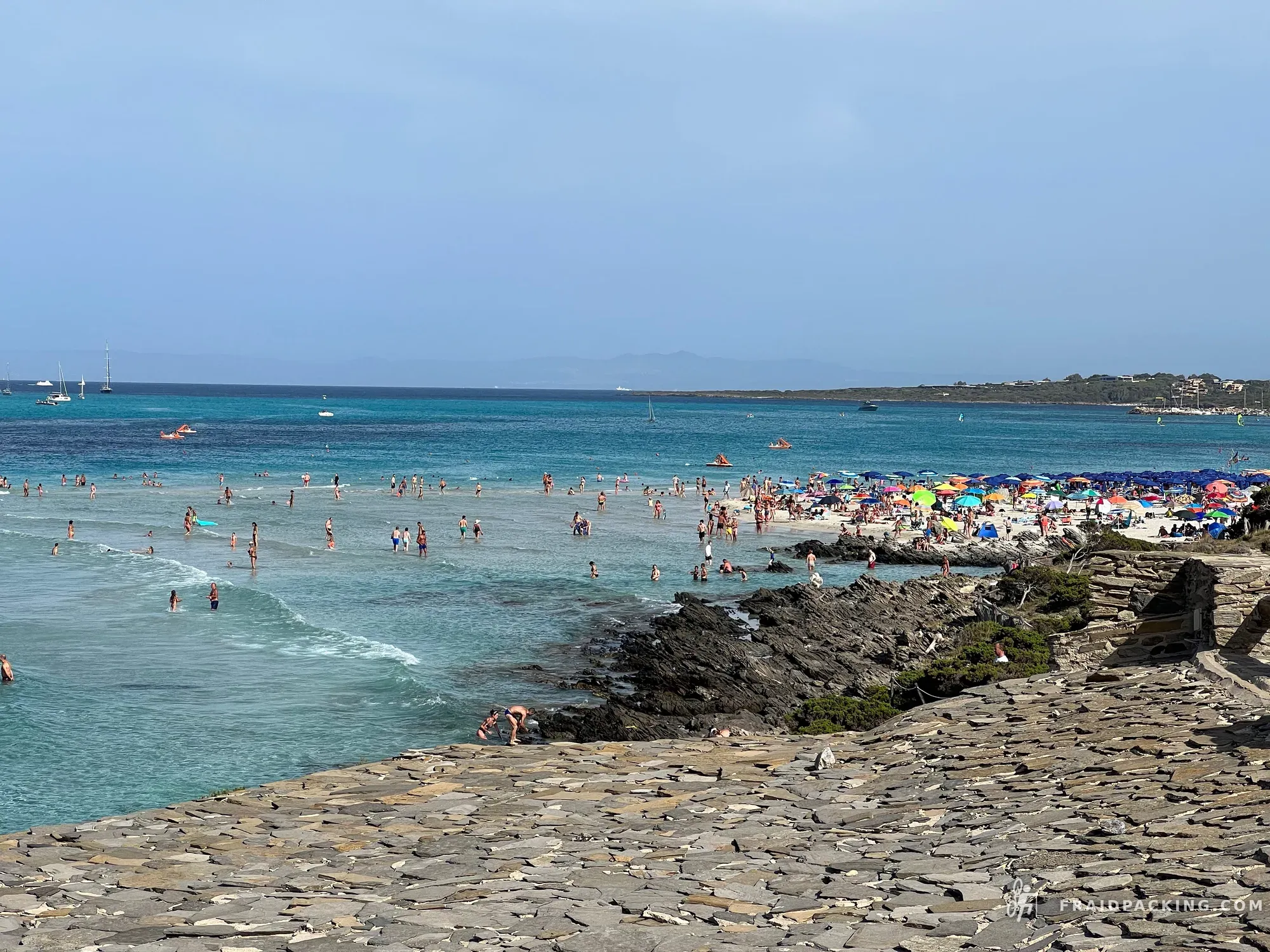
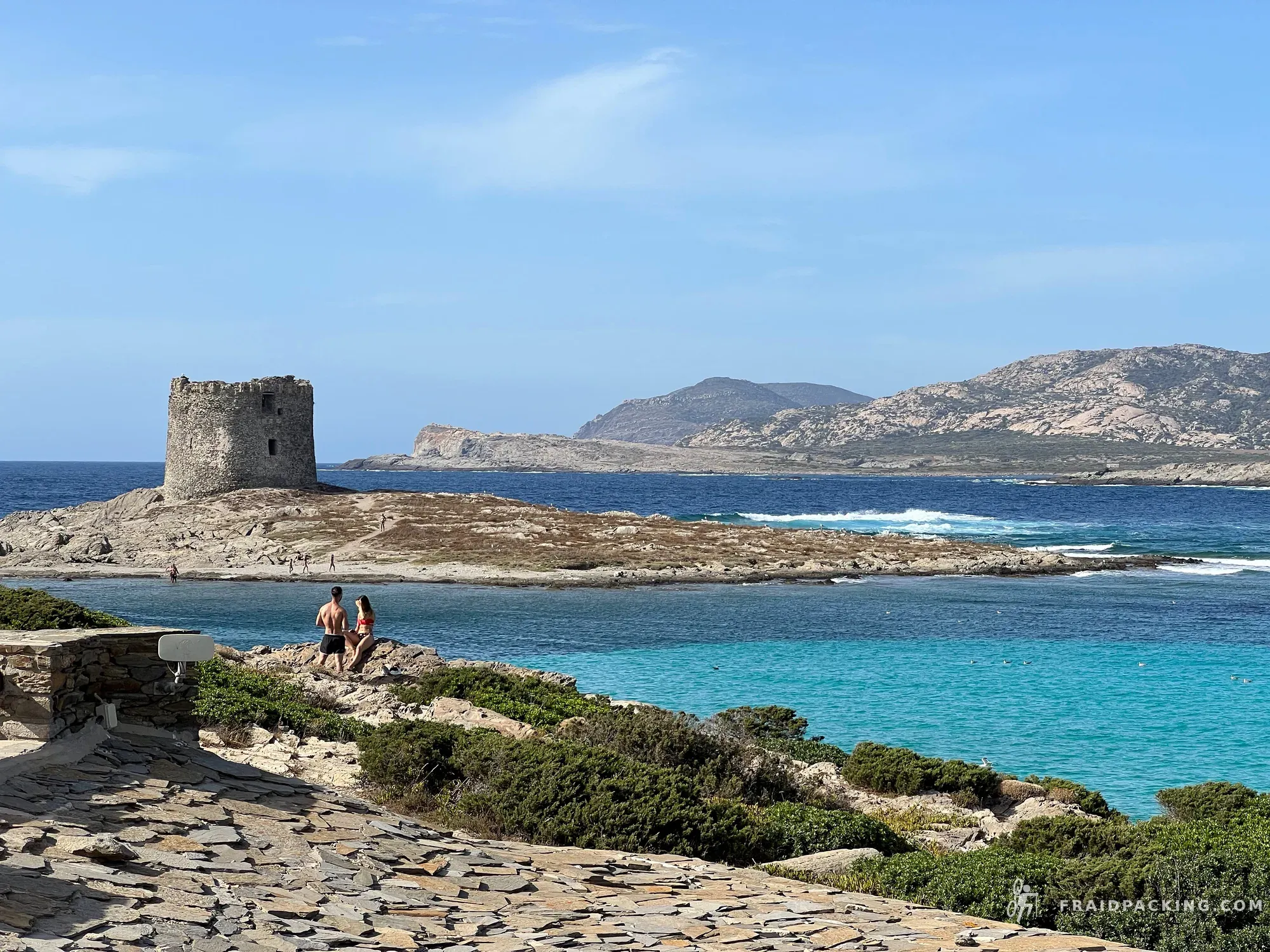
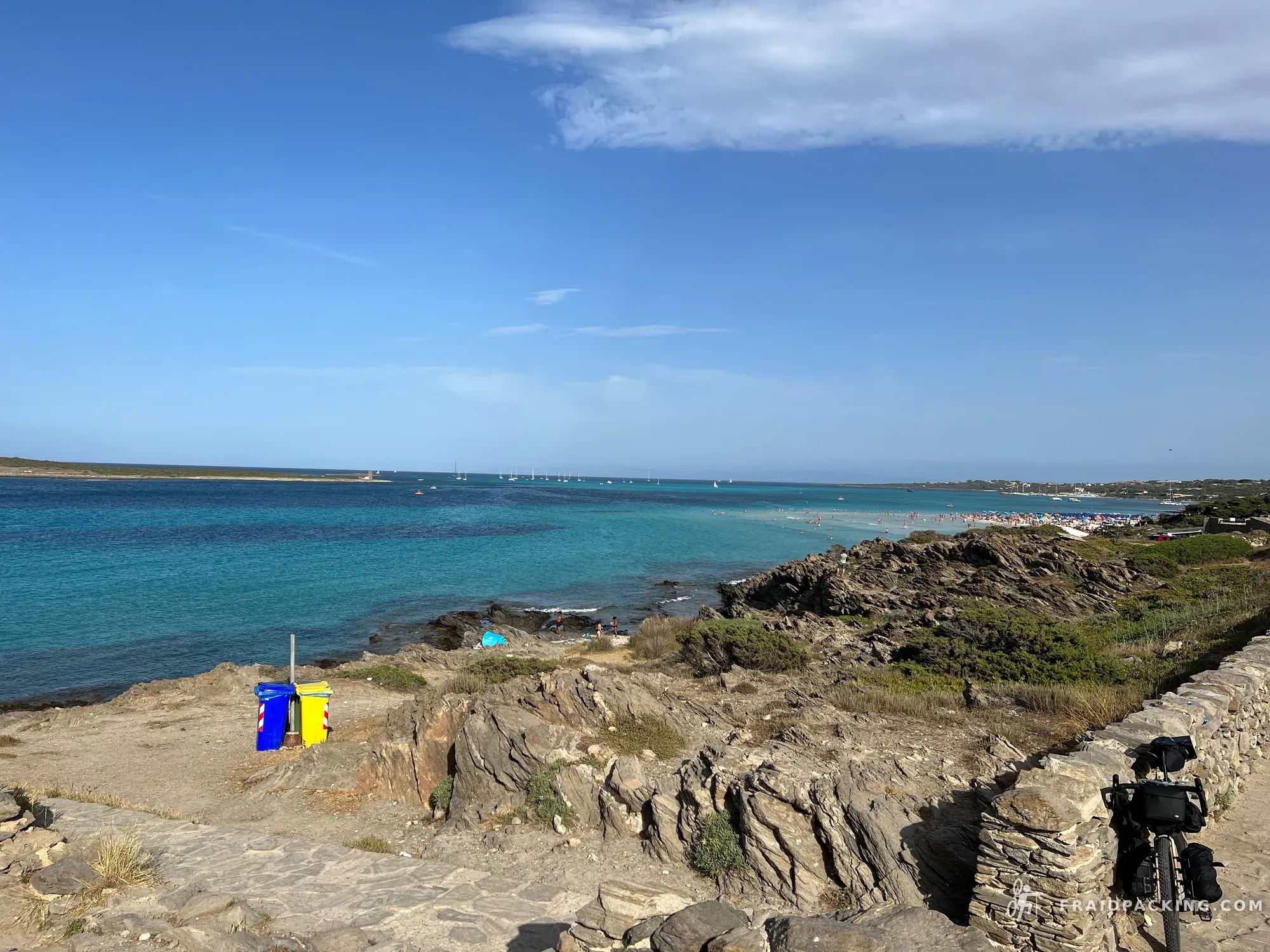
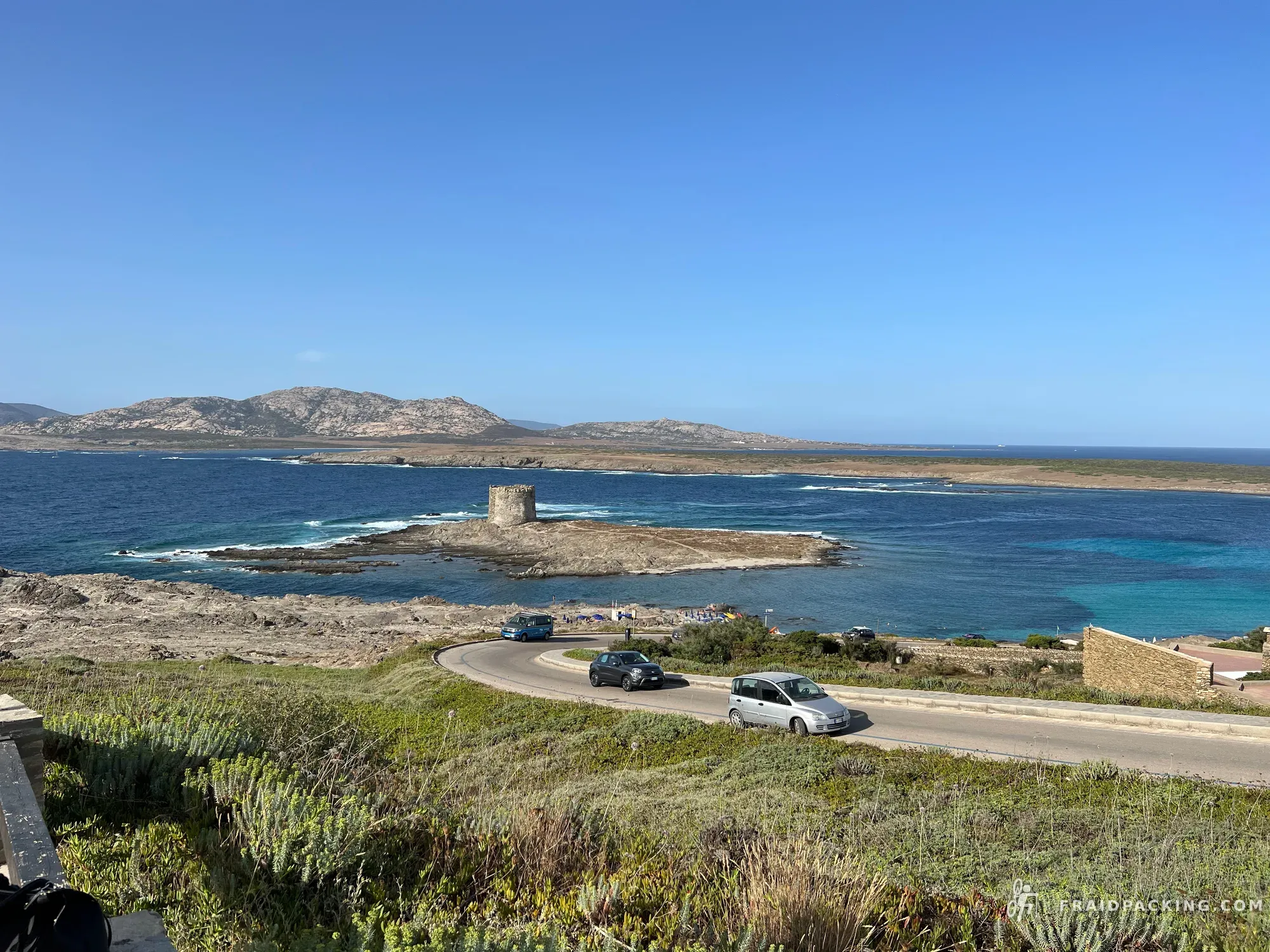
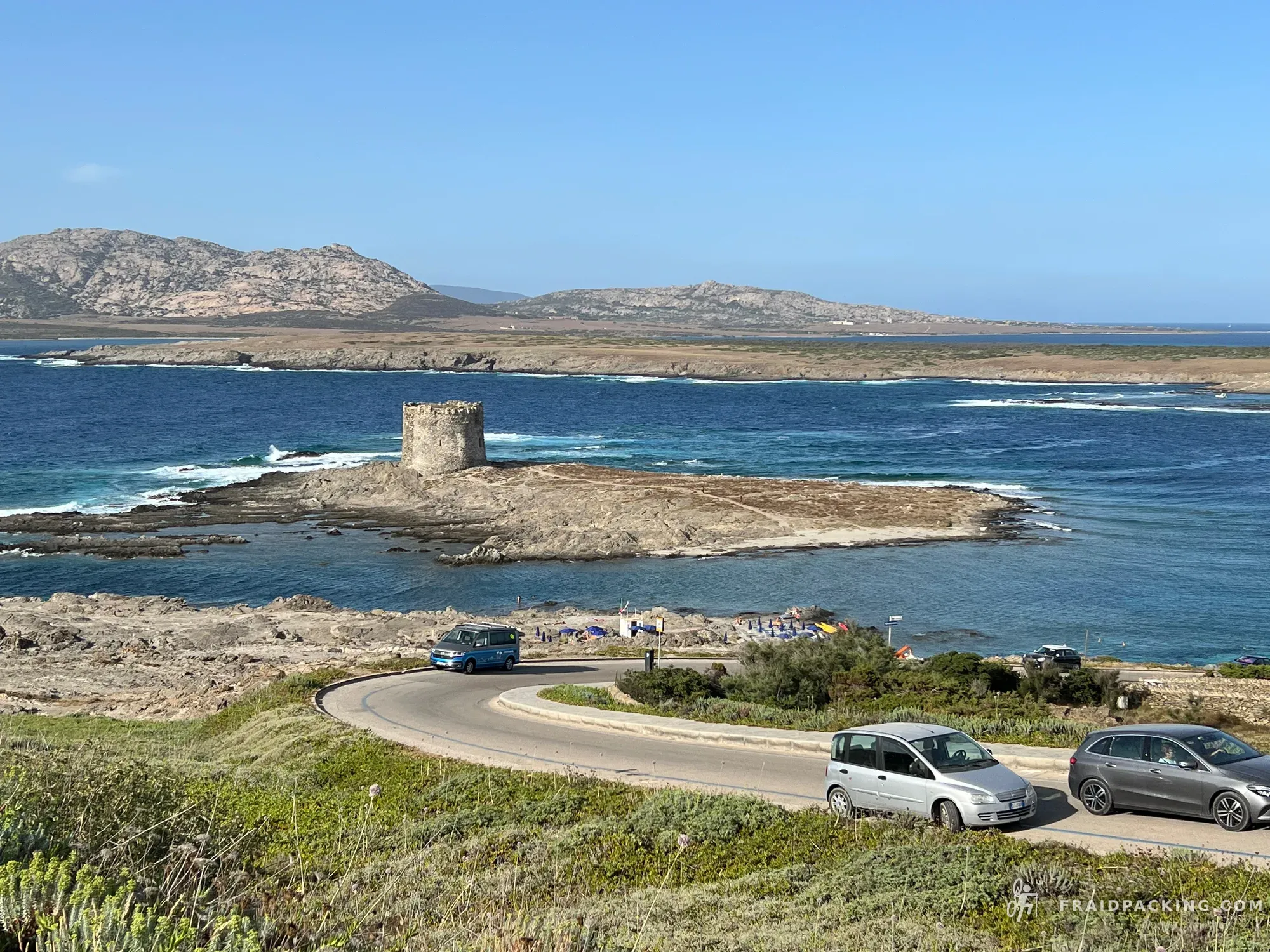
The legs, still heavy from three days in the saddle, face one final test before the route opens up — a short but punchy climb out of Alghero that empties into the flat coastal plain beyond. From there the riding eases into something almost restful, 53 kilometres of low-effort pedalling through sun-bleached scrubland and salt-bright air, the sea flashing silver to the west. The peninsula narrows as Stintino approaches, land and water pressing close on either side, the horizon wide and unhurried. It is a day that rewards patience, ending at the water's edge with the quiet satisfaction of nearly finishing something difficult.
- 5
Sardegna - Day 5
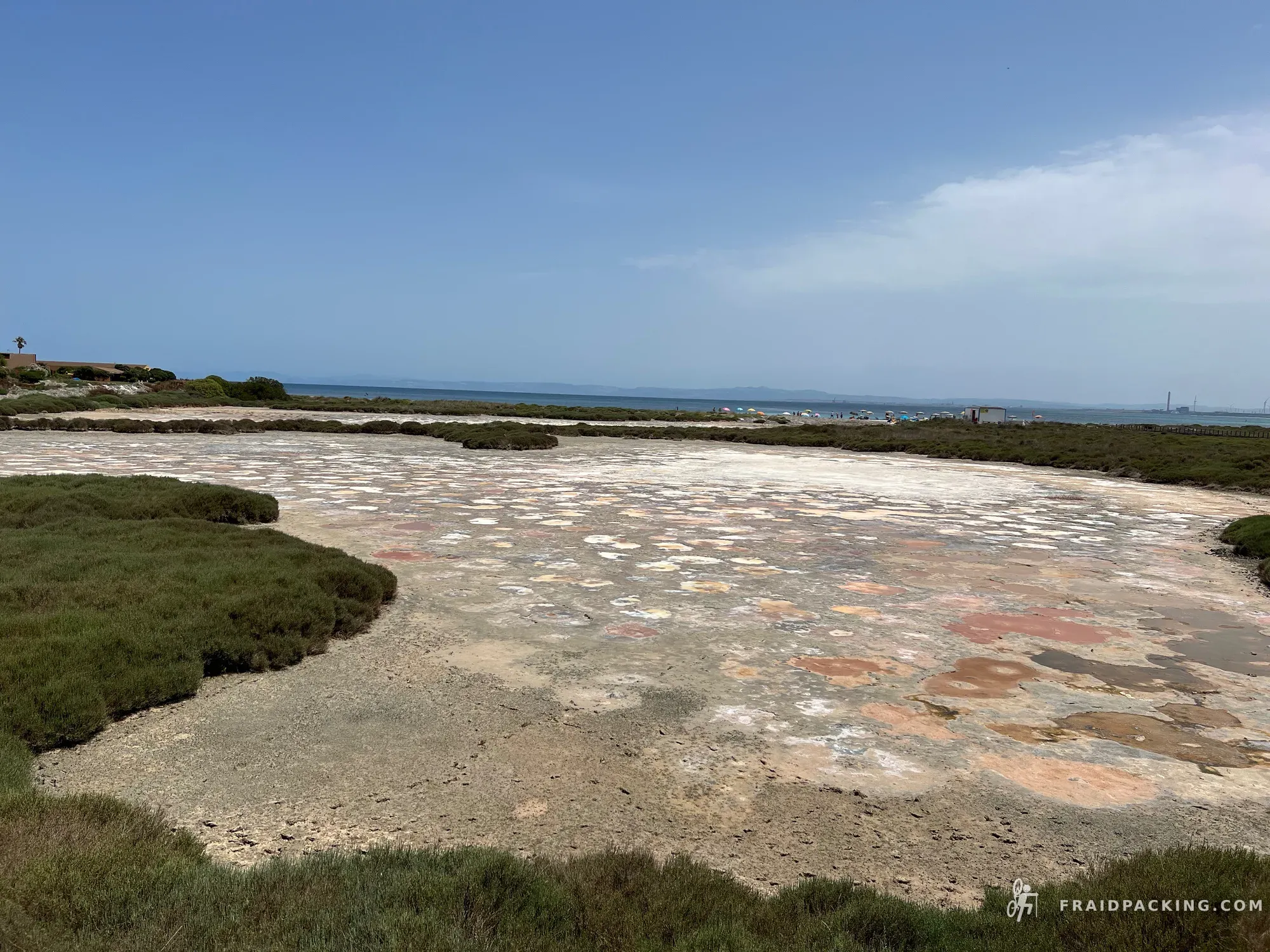
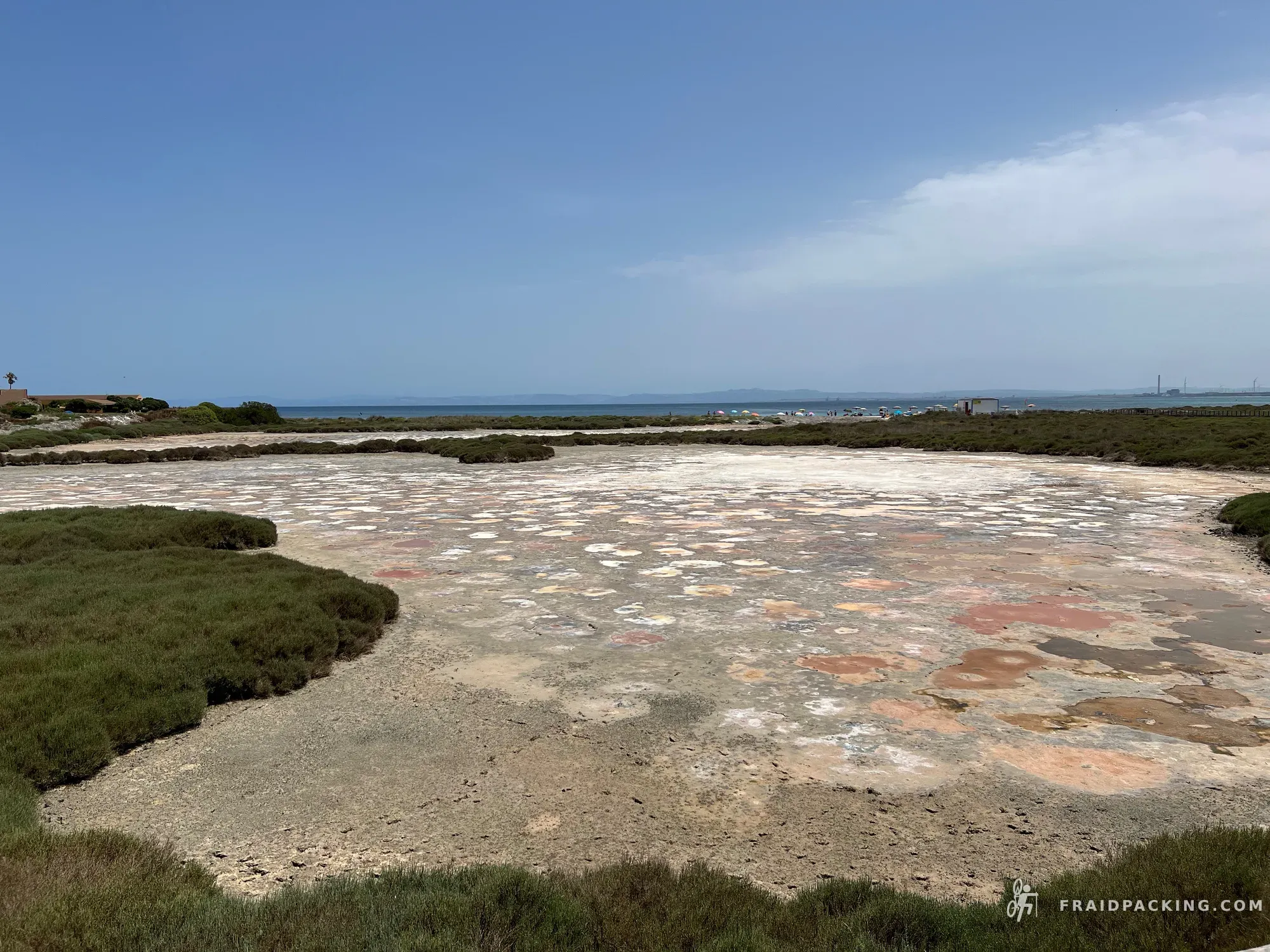
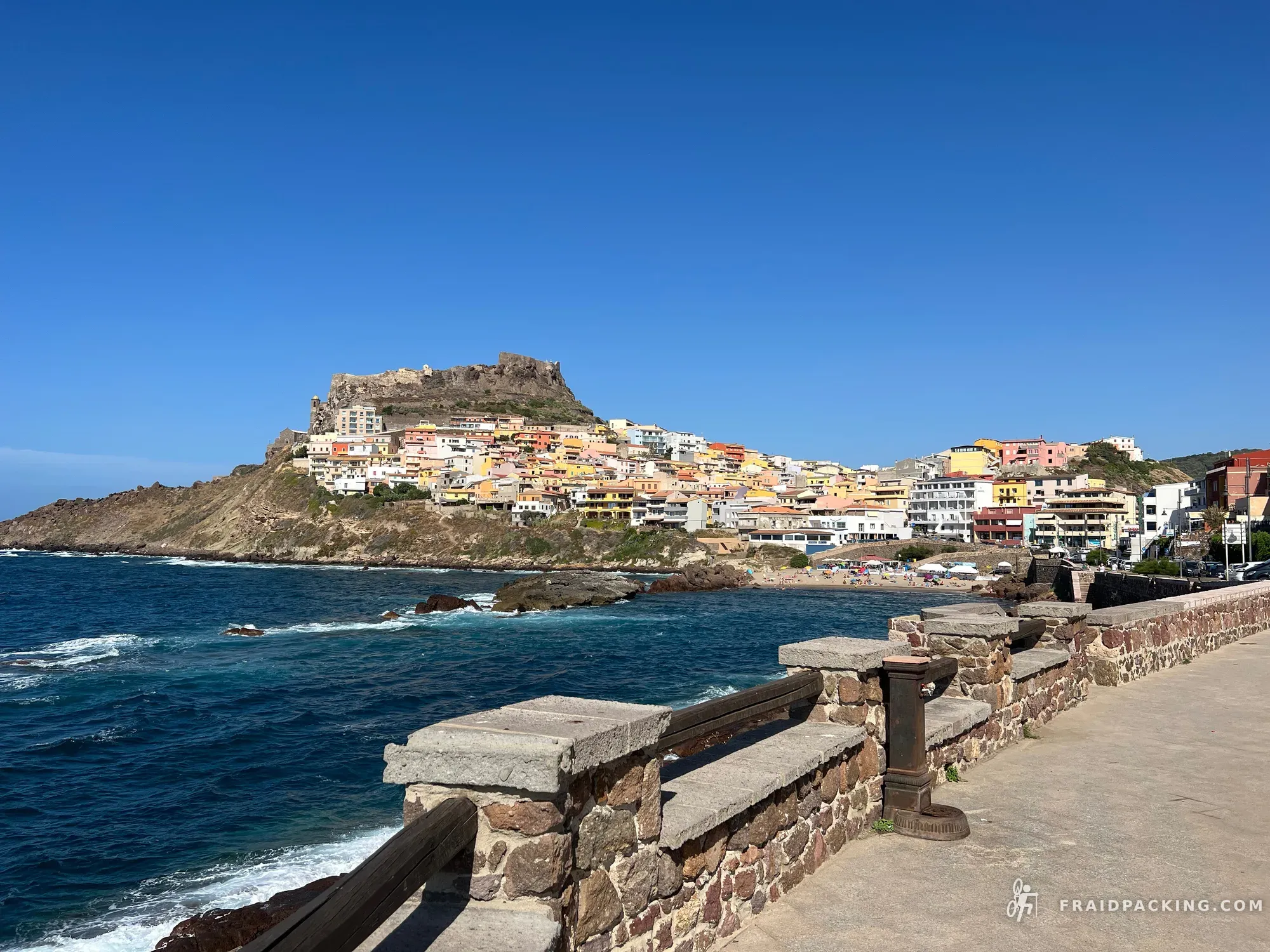
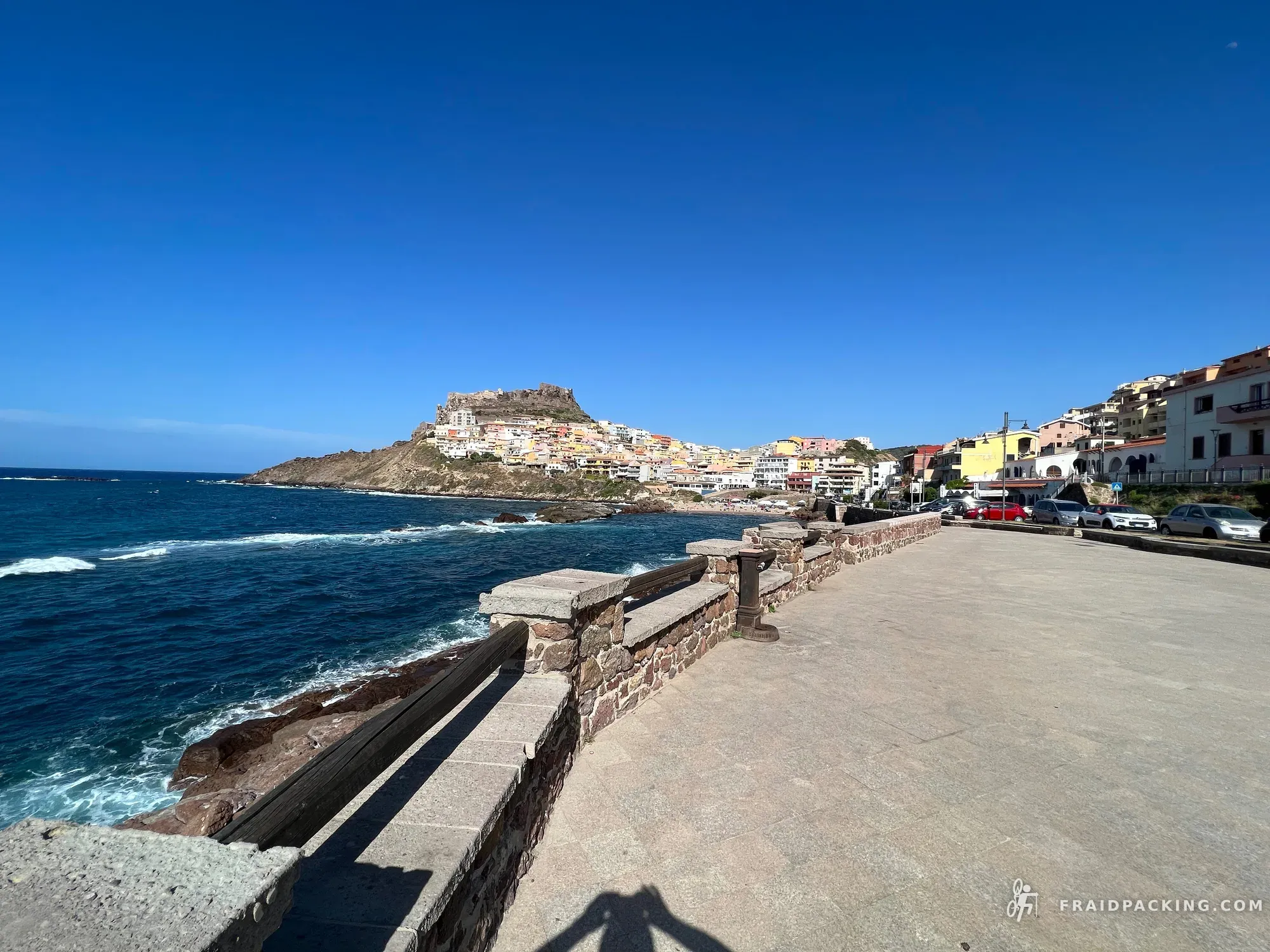
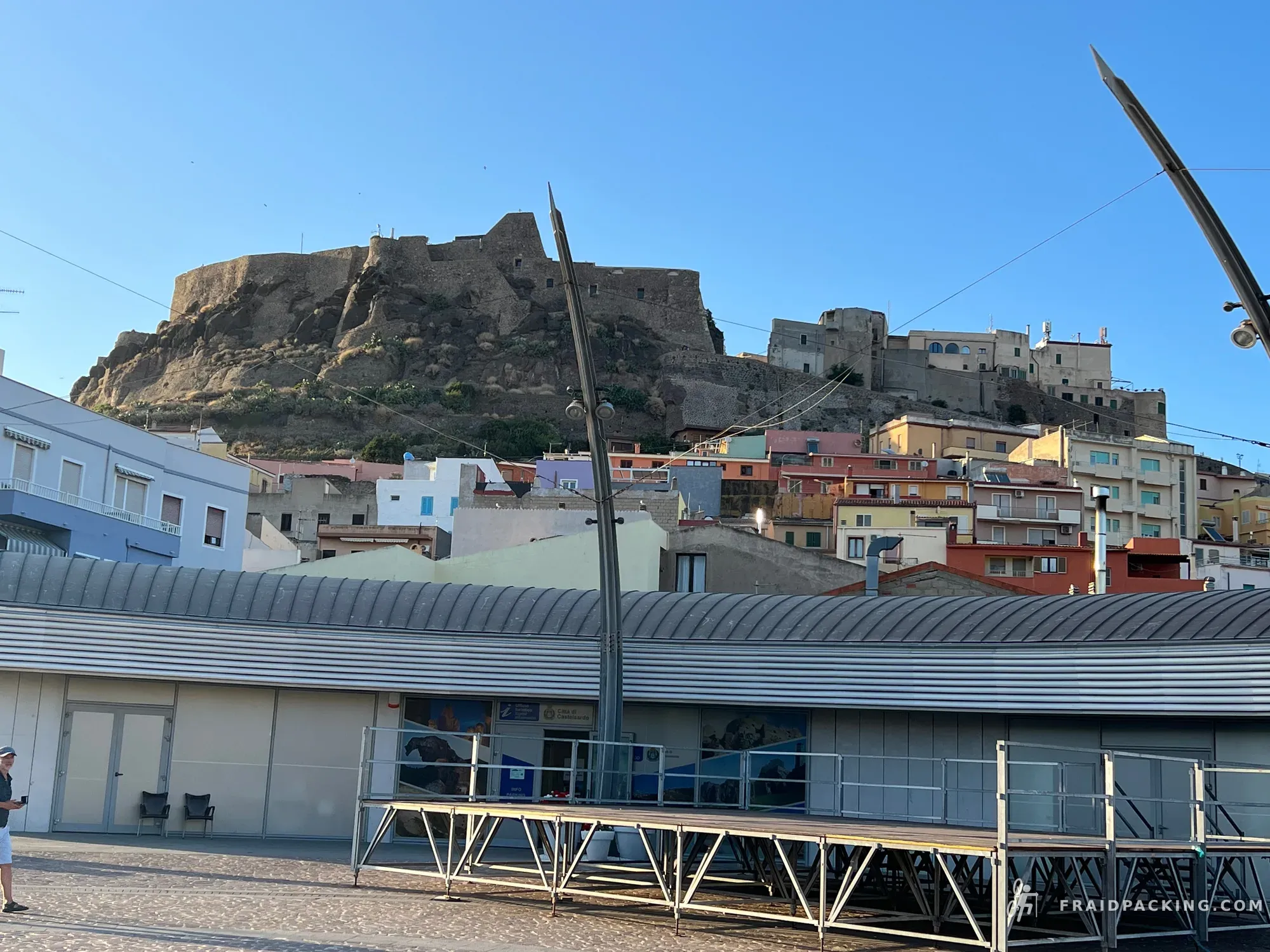
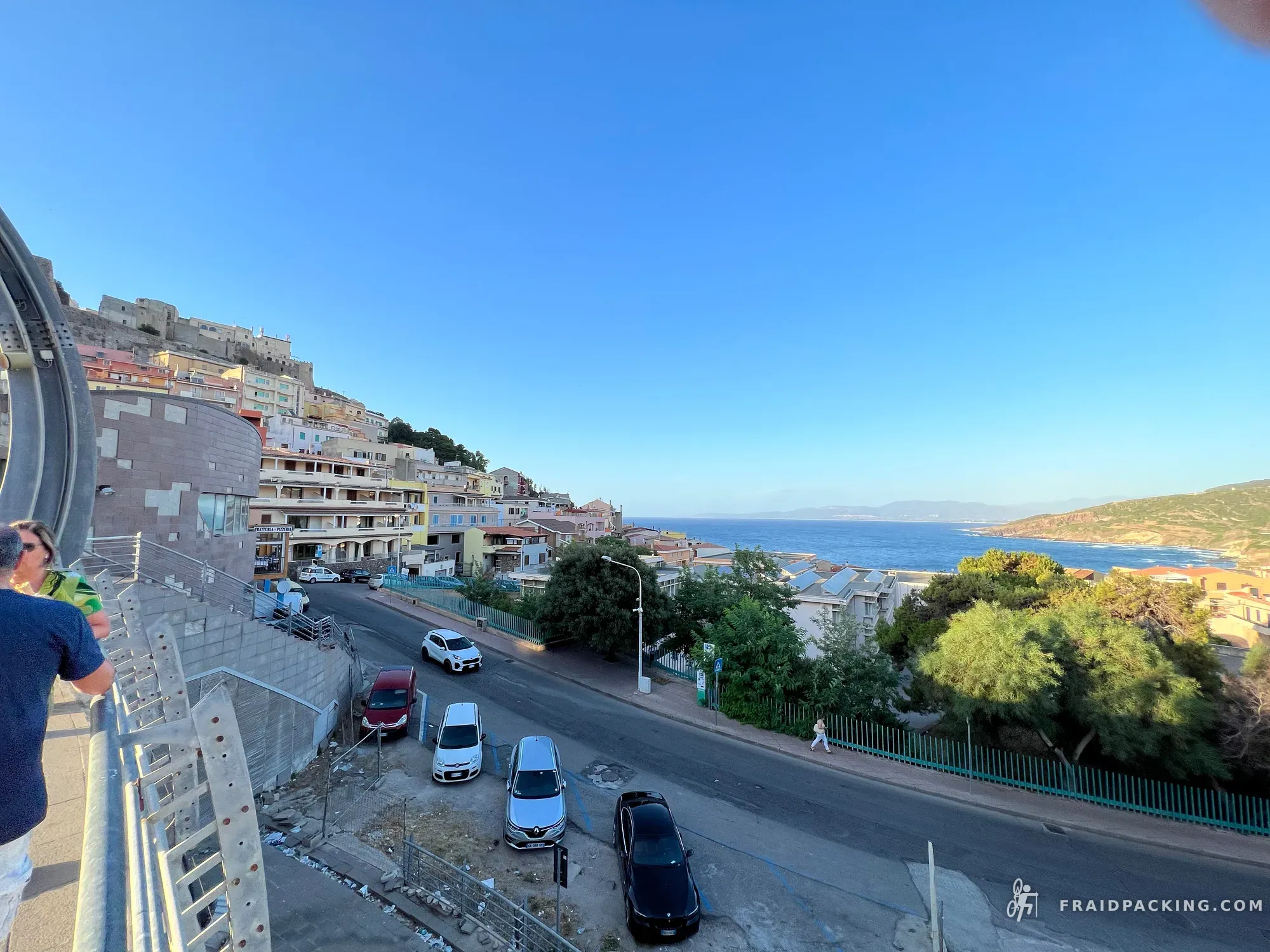
Flat coastal roads and wide open skies define this relatively gentle day, where the effort stays low and the landscape does the talking. The northwest coast unfolds in long, unhurried stretches — silver saltpans, pale dunes, and the glittering shallows of the Gulf of Asinara pressing close to the road. The riding has a meditative, rolling quality, the kind that lets the mind settle into the rhythm of the wheels. Sixty-six kilometres pass almost easily, arriving at the clifftop town of Castelsardo as the afternoon light turns golden over the sea.
- 6
Sardegna - Day 6
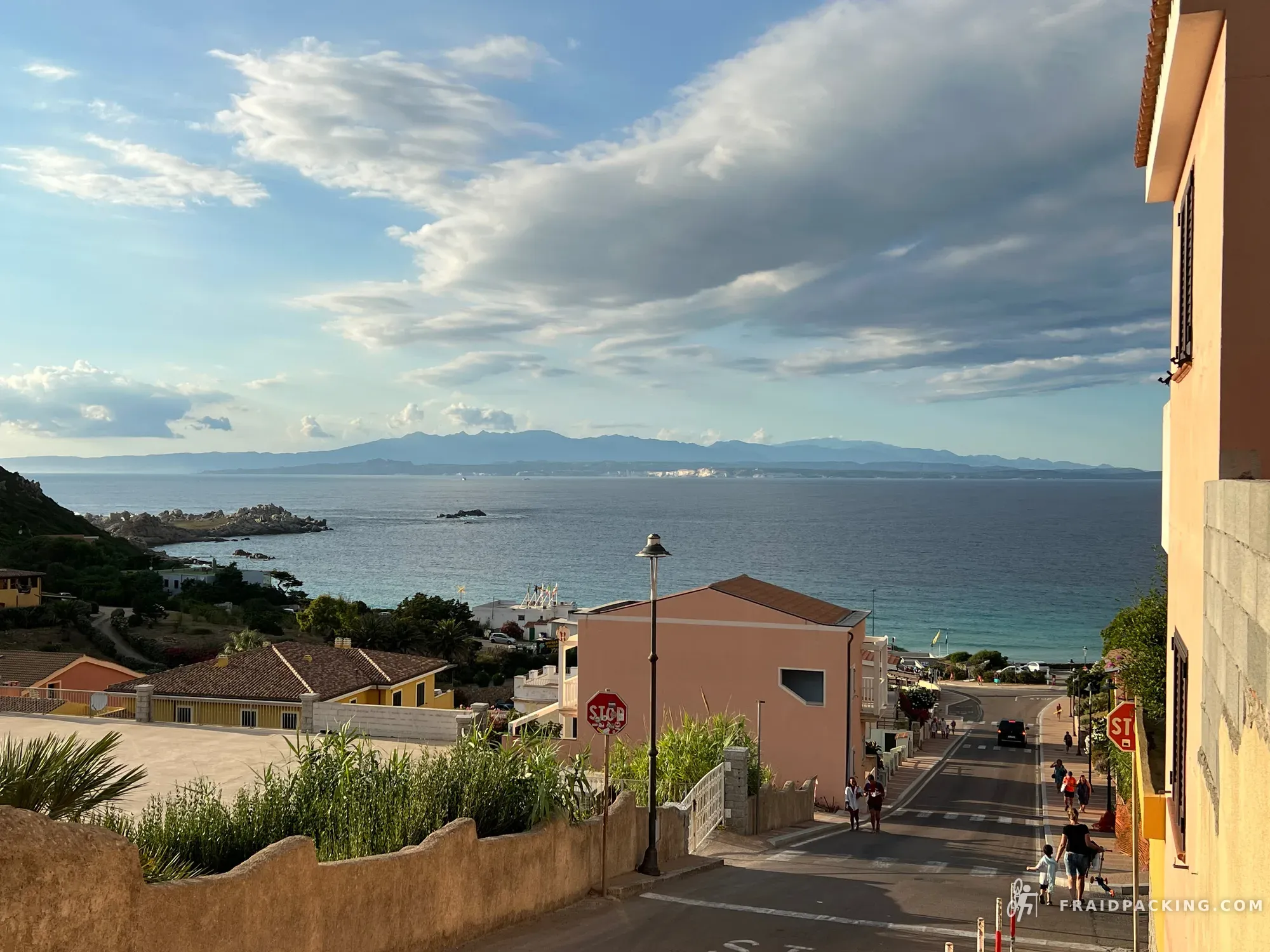
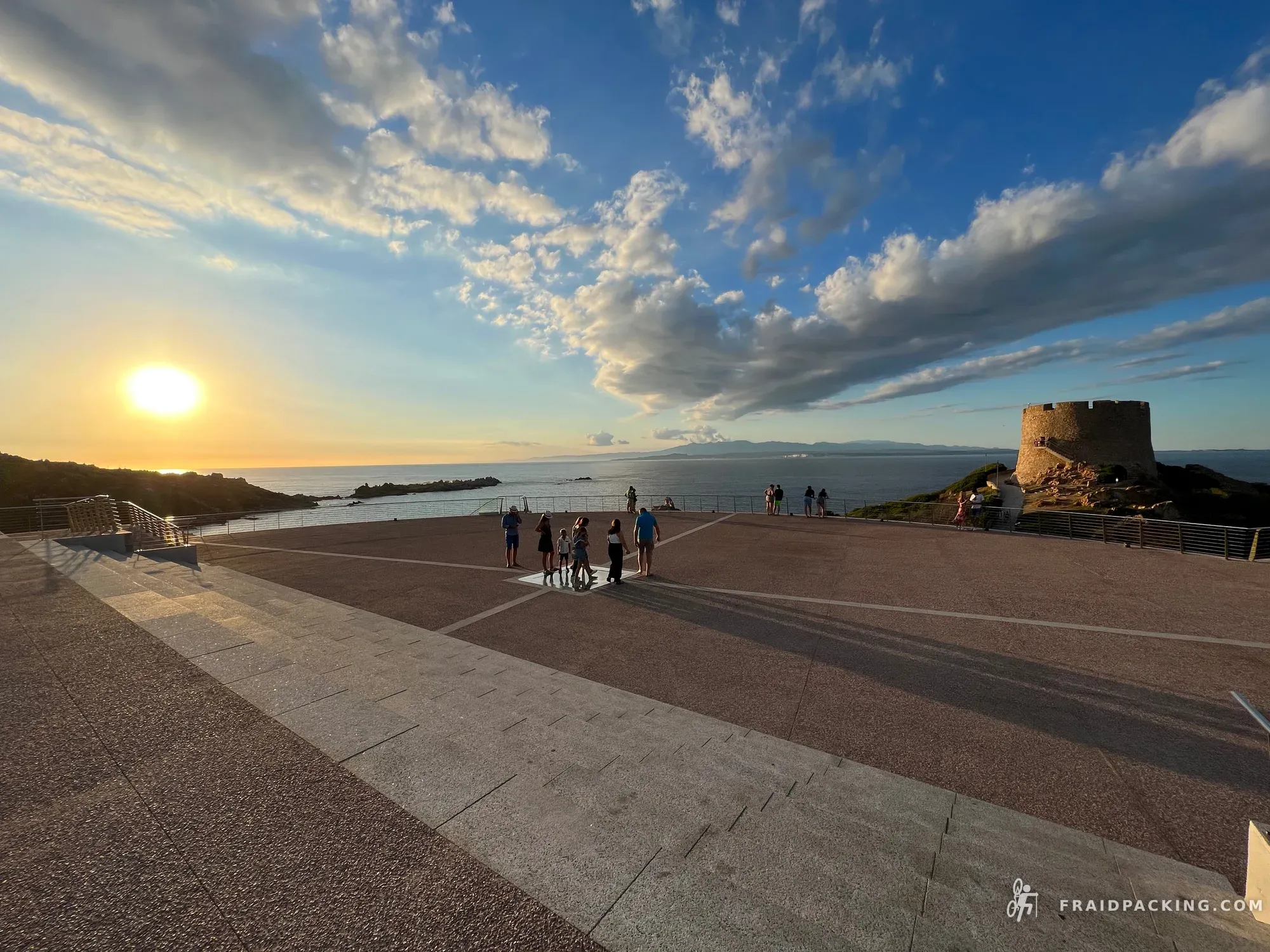
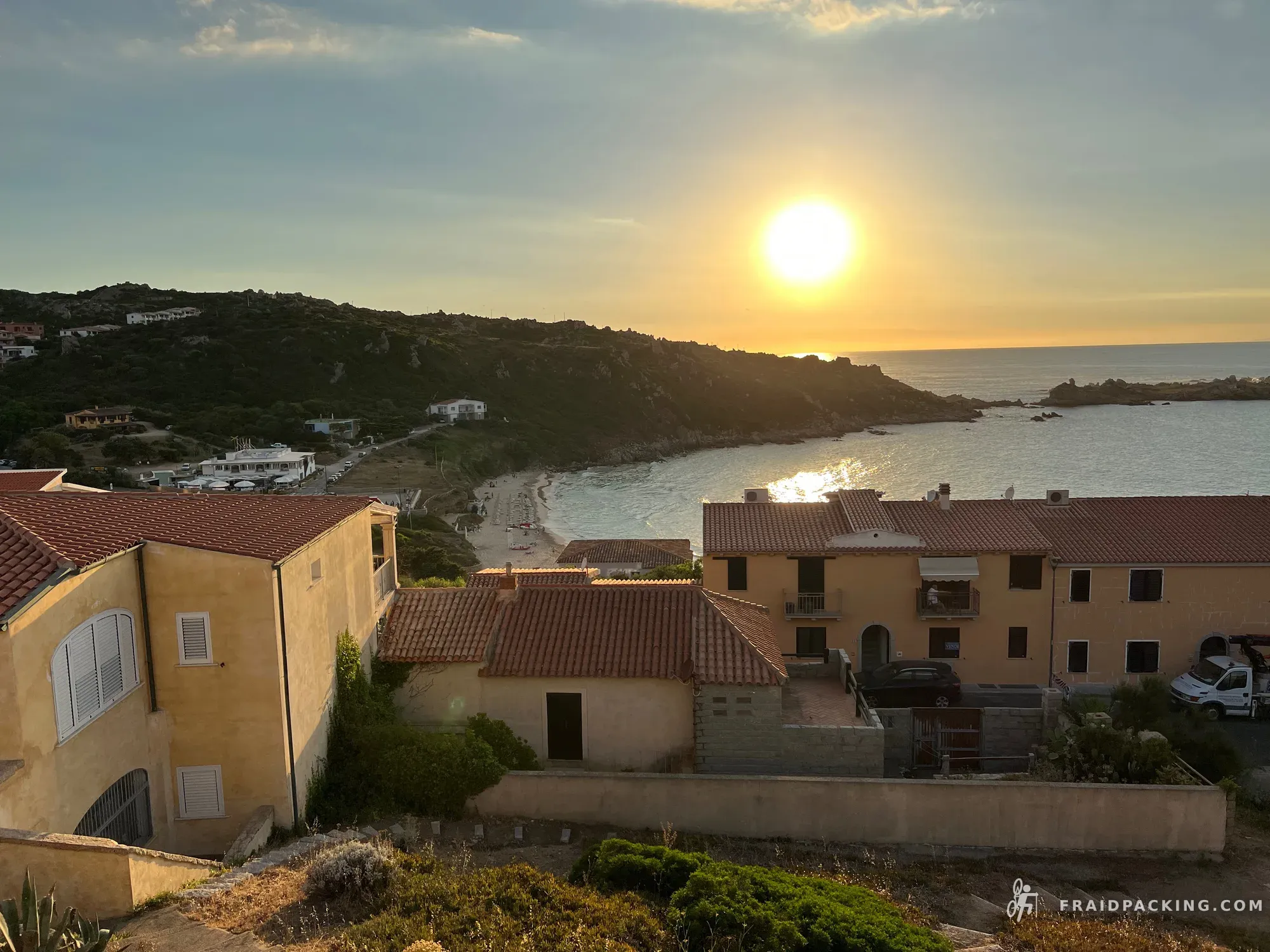
Rolling coastal terrain carries the ride northward through the quieter back country of Sardegna's uppermost reaches, where scrubby macchia presses close to the track and the sea occasionally glints through the brush. The modest climbing is spread generously across the day's seventy kilometres, never brutal but persistent enough to keep the legs honest. As the route approaches Santa Teresa Gallura the landscape sharpens with granite outcrops and salt-laced air, the Strait of Bonifacio opening ahead as a reward for the penultimate day's efforts.
- 7
Sardegna - Day 7
The final morning begins not with relief but with effort — rolling hills that refuse to ease up, each rise met with legs already heavy from six days of Sardinian roads. The landscape here softens toward the coast, macchia giving way to granite outcrops and glimpses of turquoise between the trees, the air thick with salt and wild herbs. At 65 kilometres it is the shortest stage, but the 610 metres of climbing demand one last reckoning. Olbia arrives slowly, honestly earned.
Photos