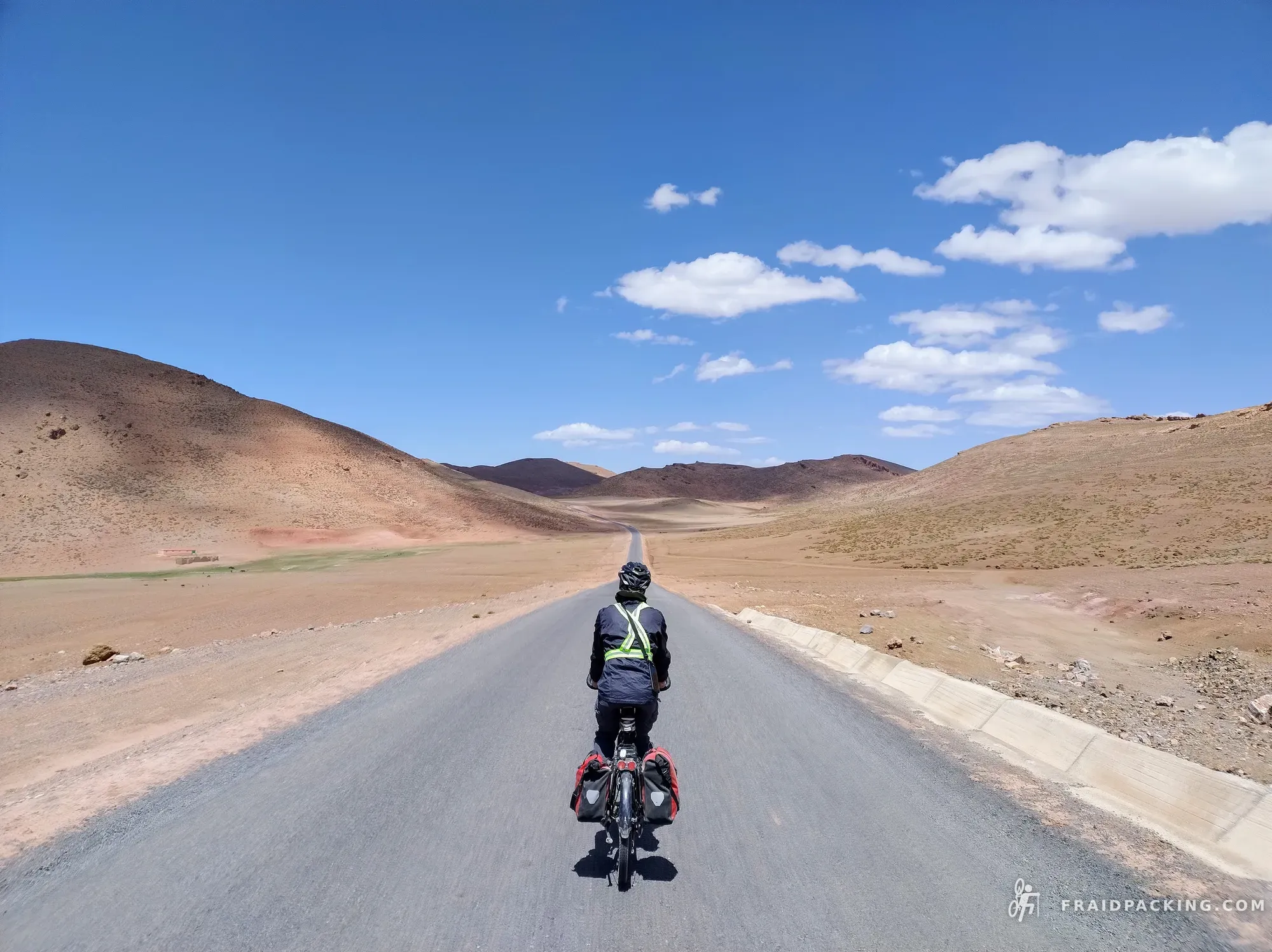
The Berbers way

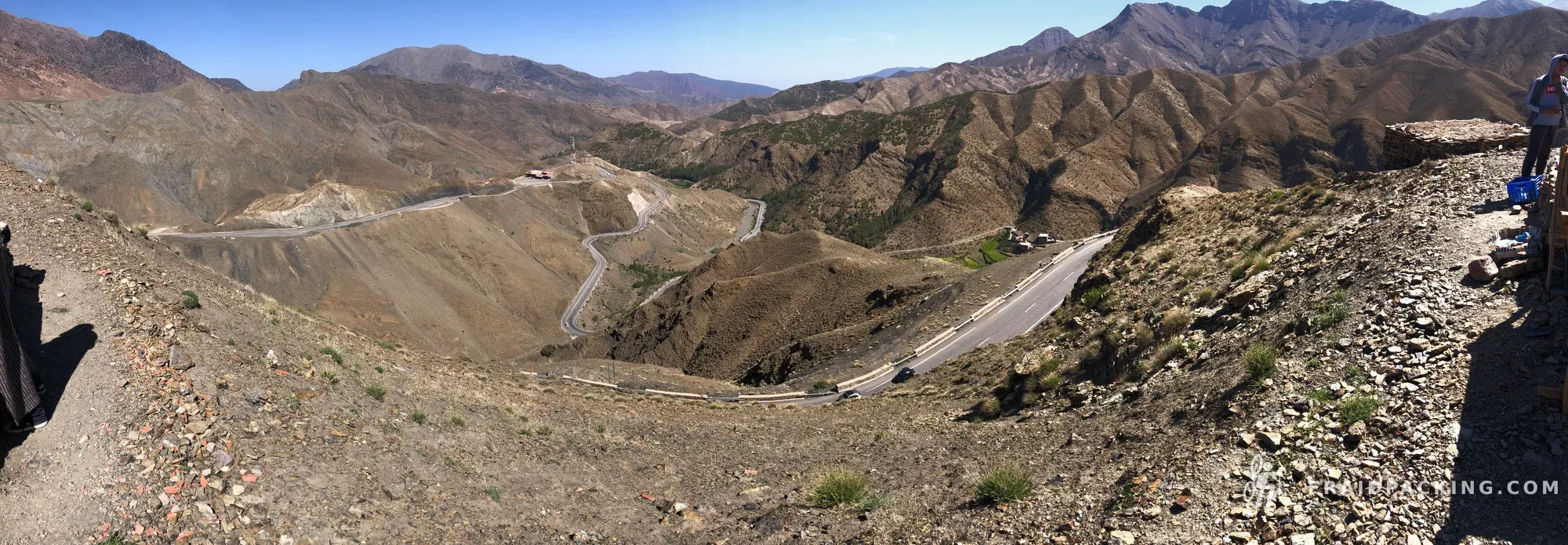
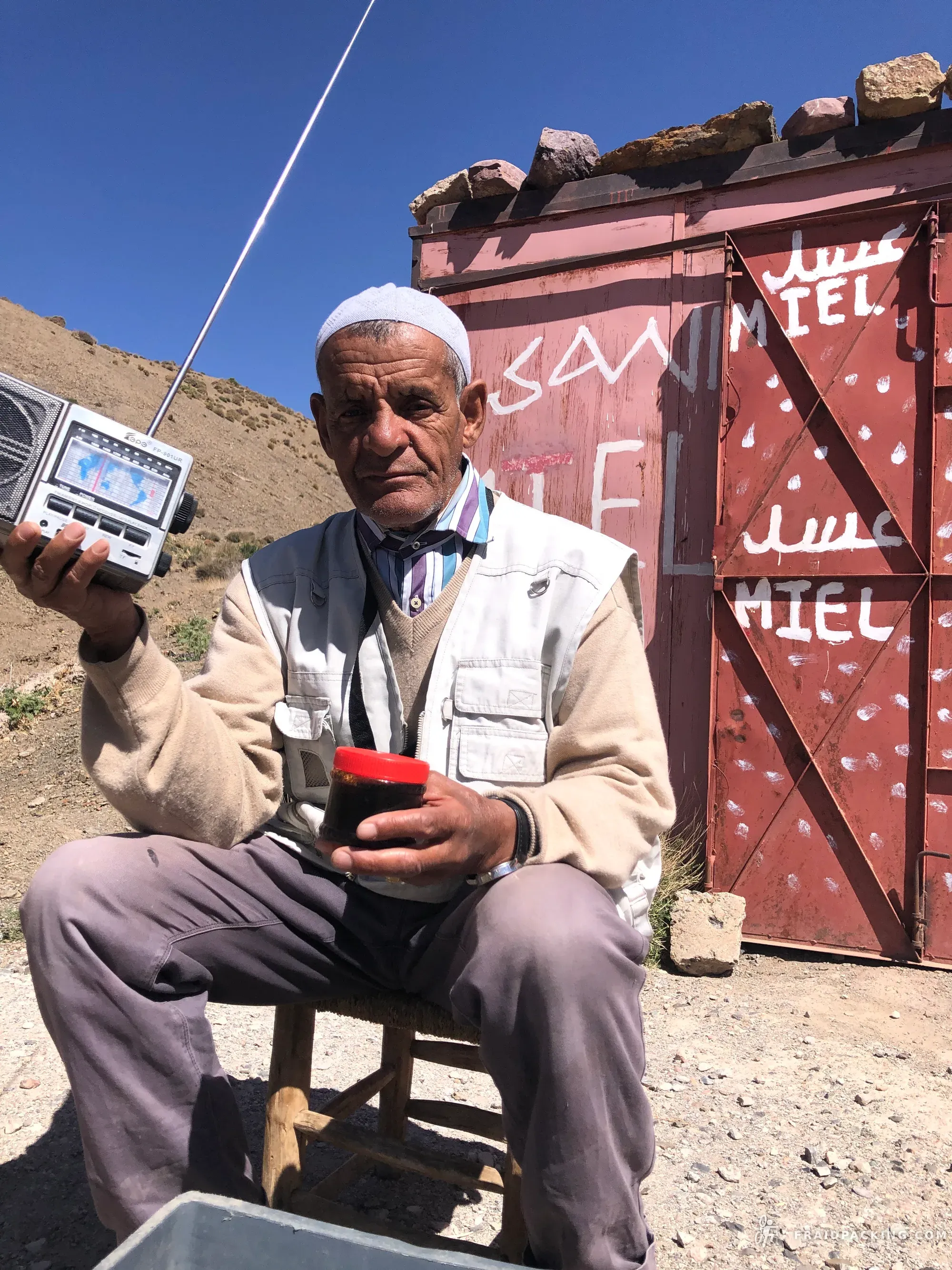
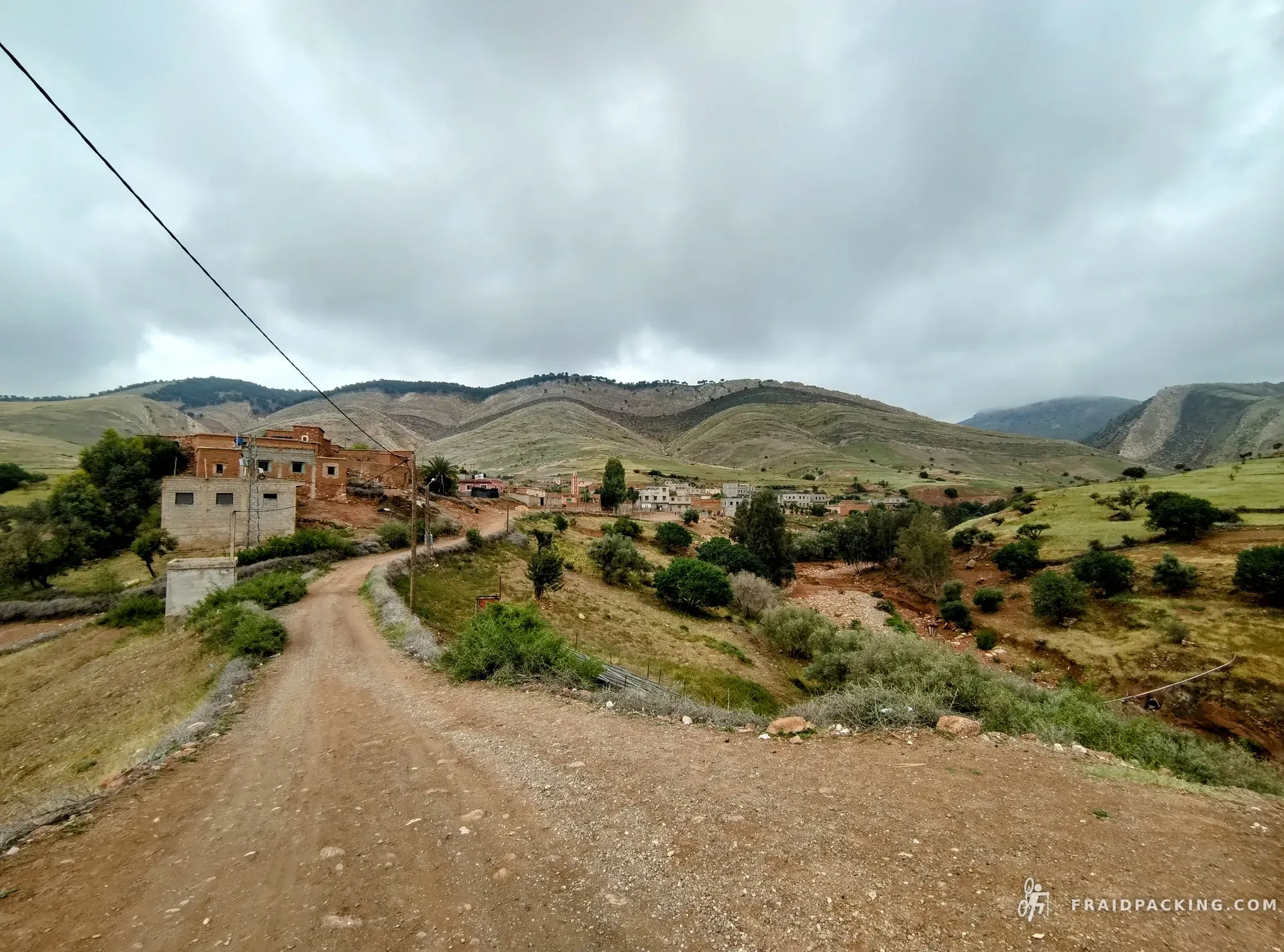
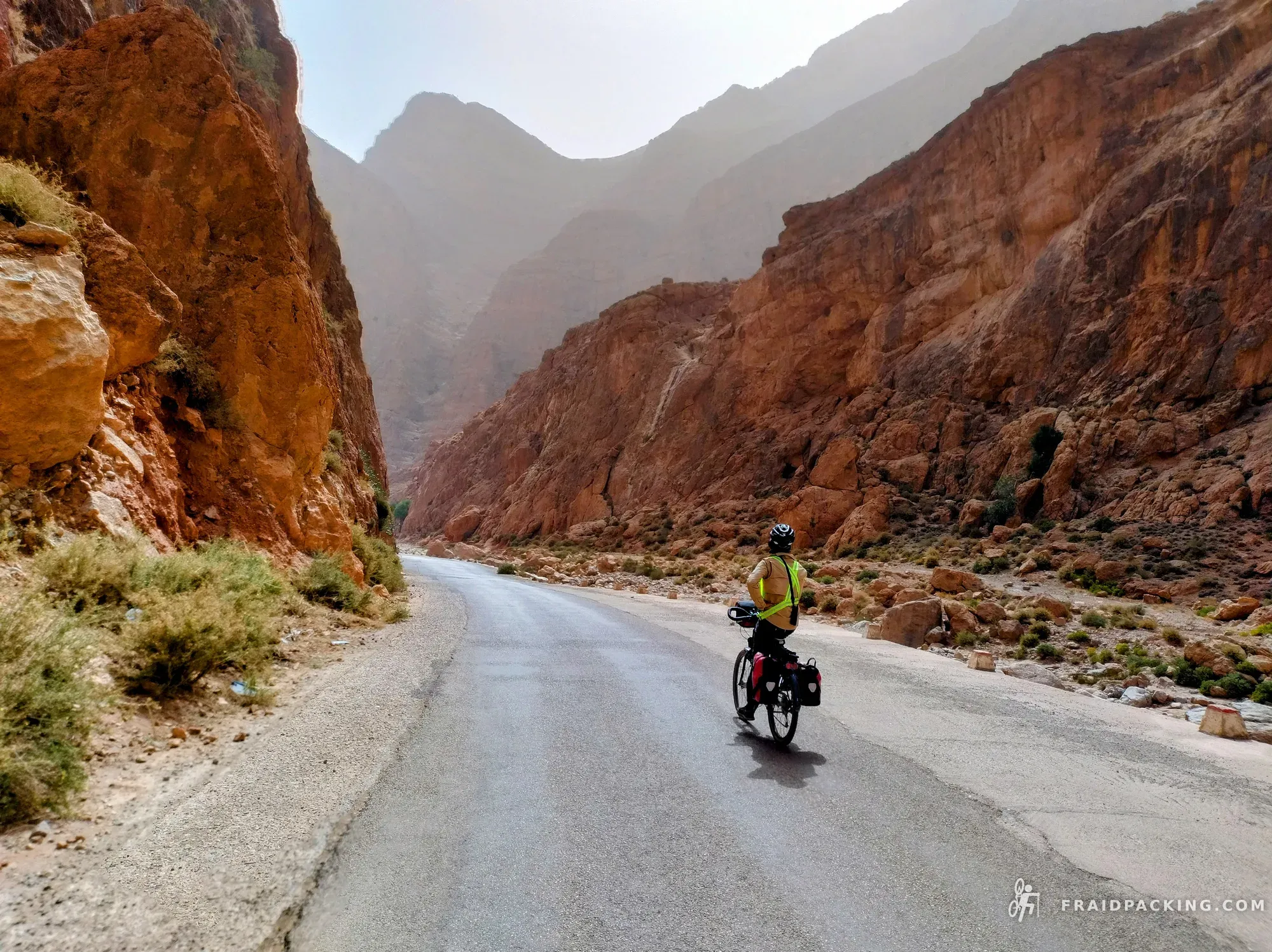
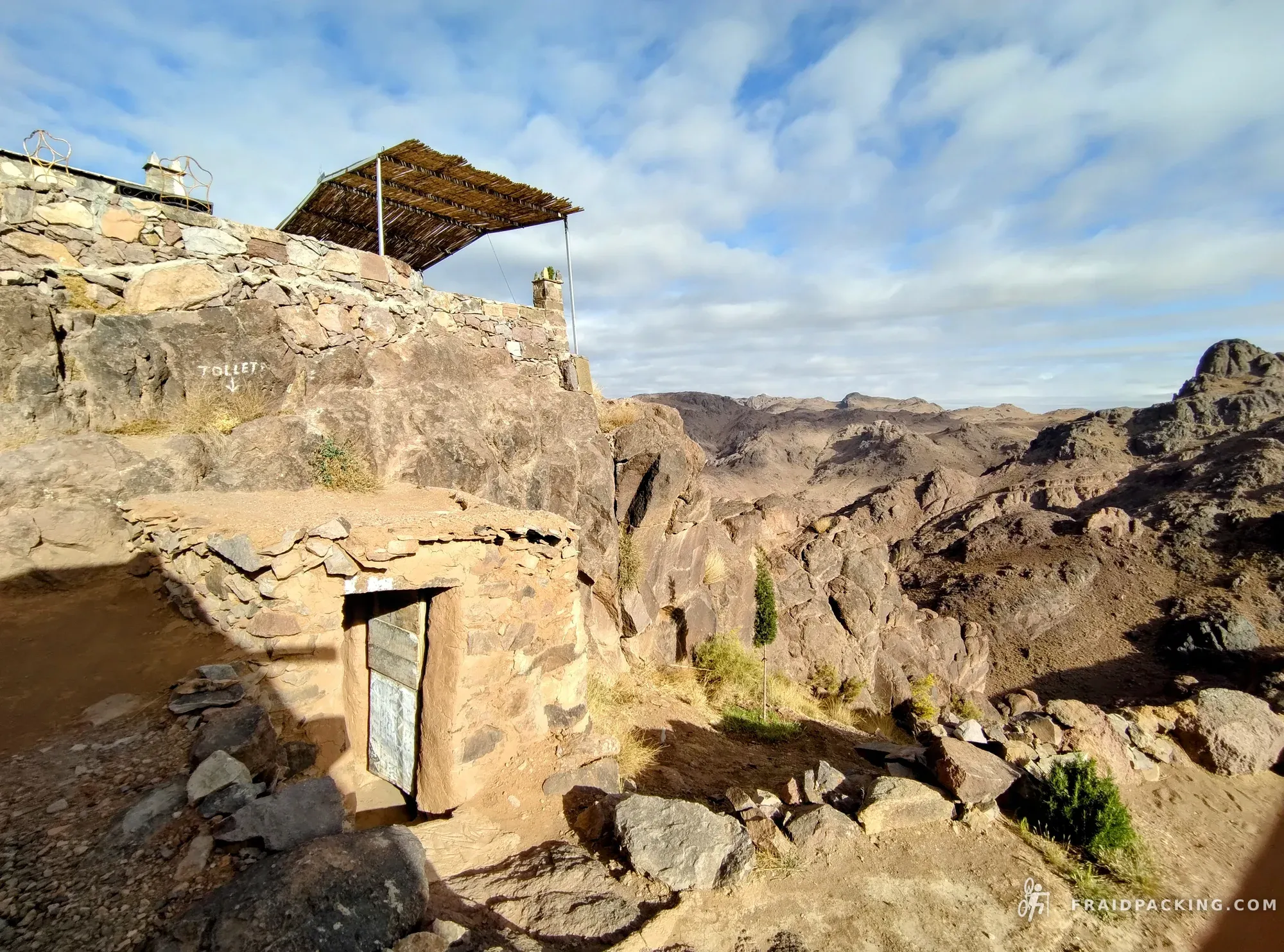
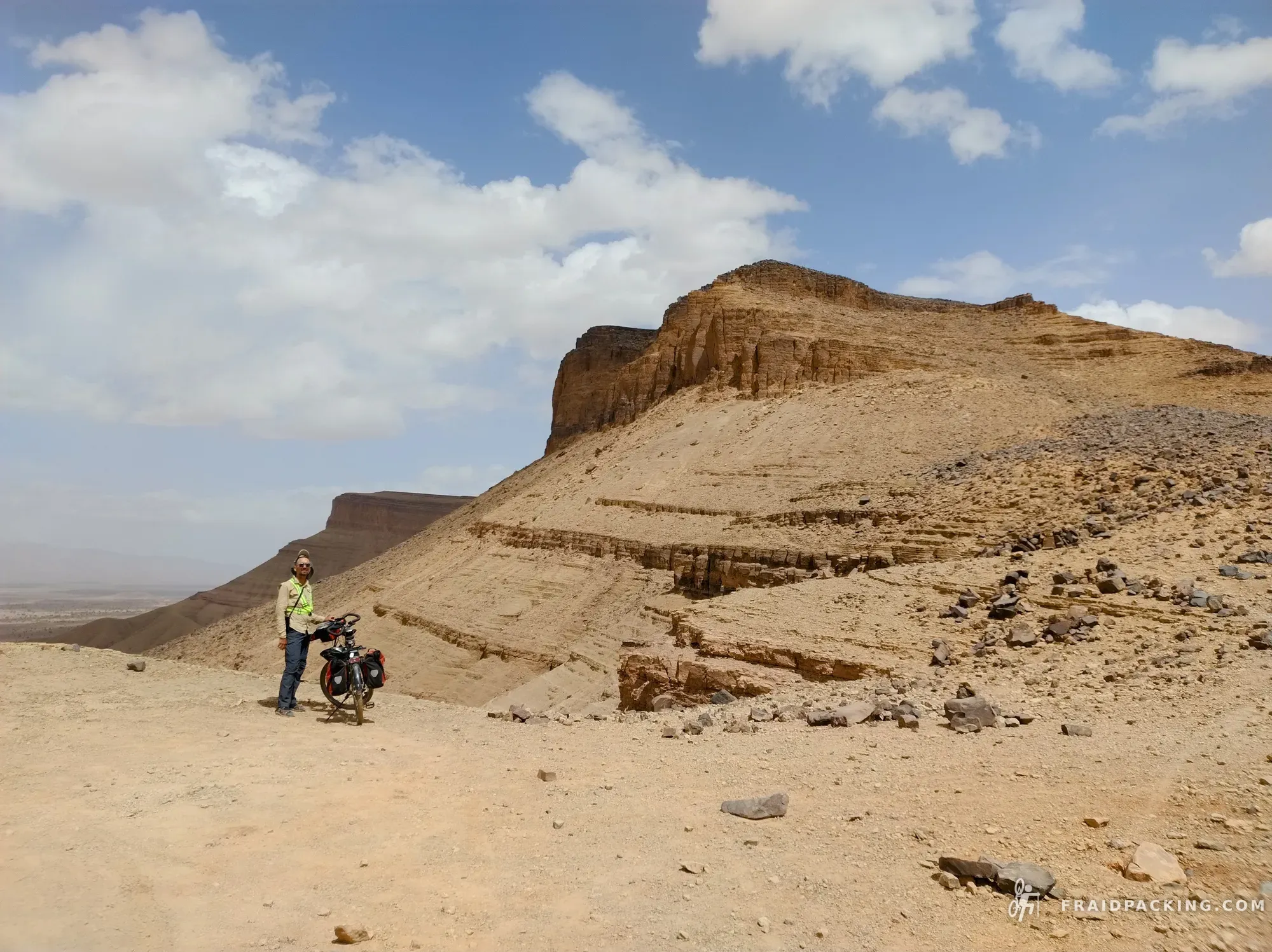
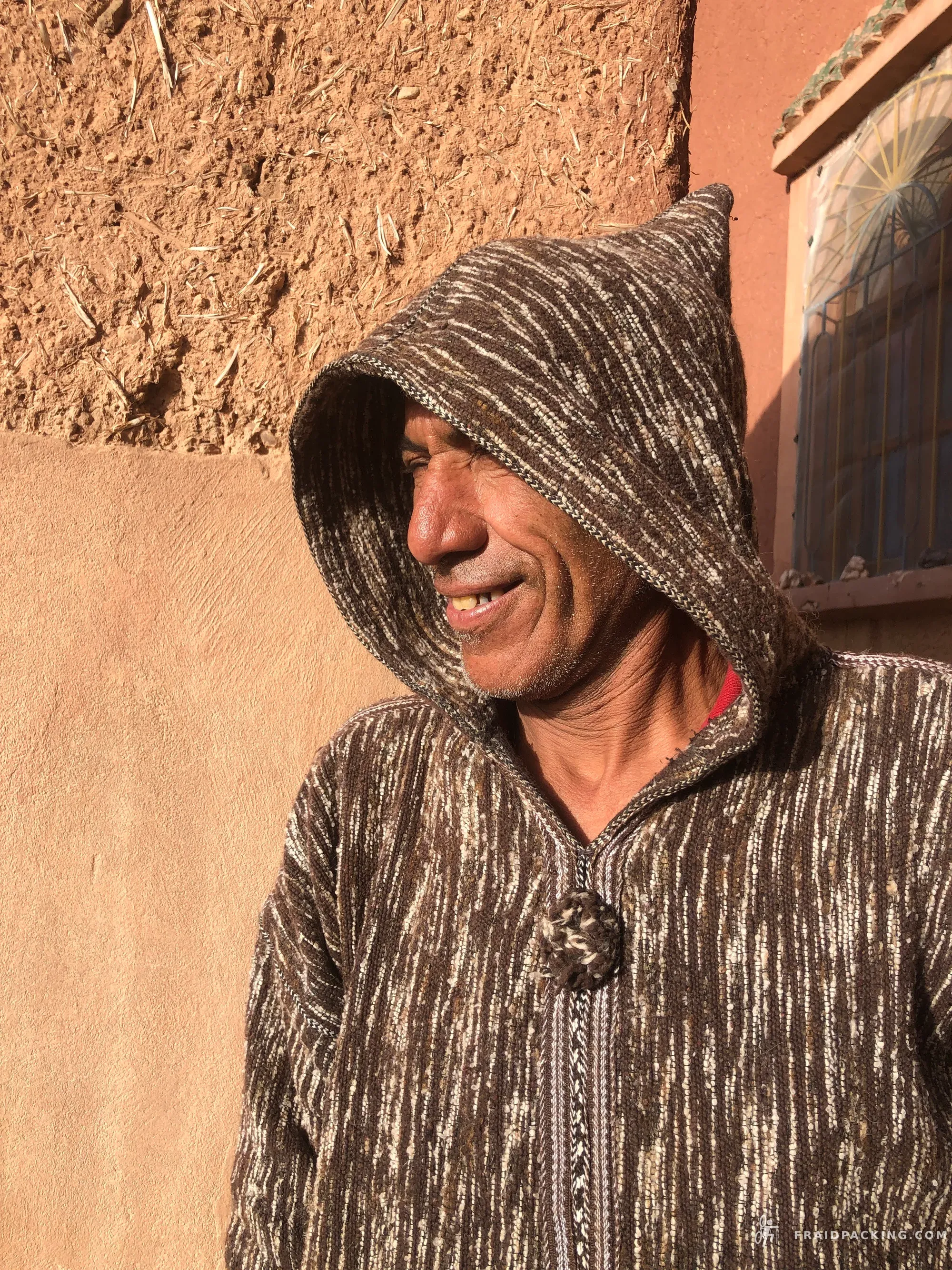
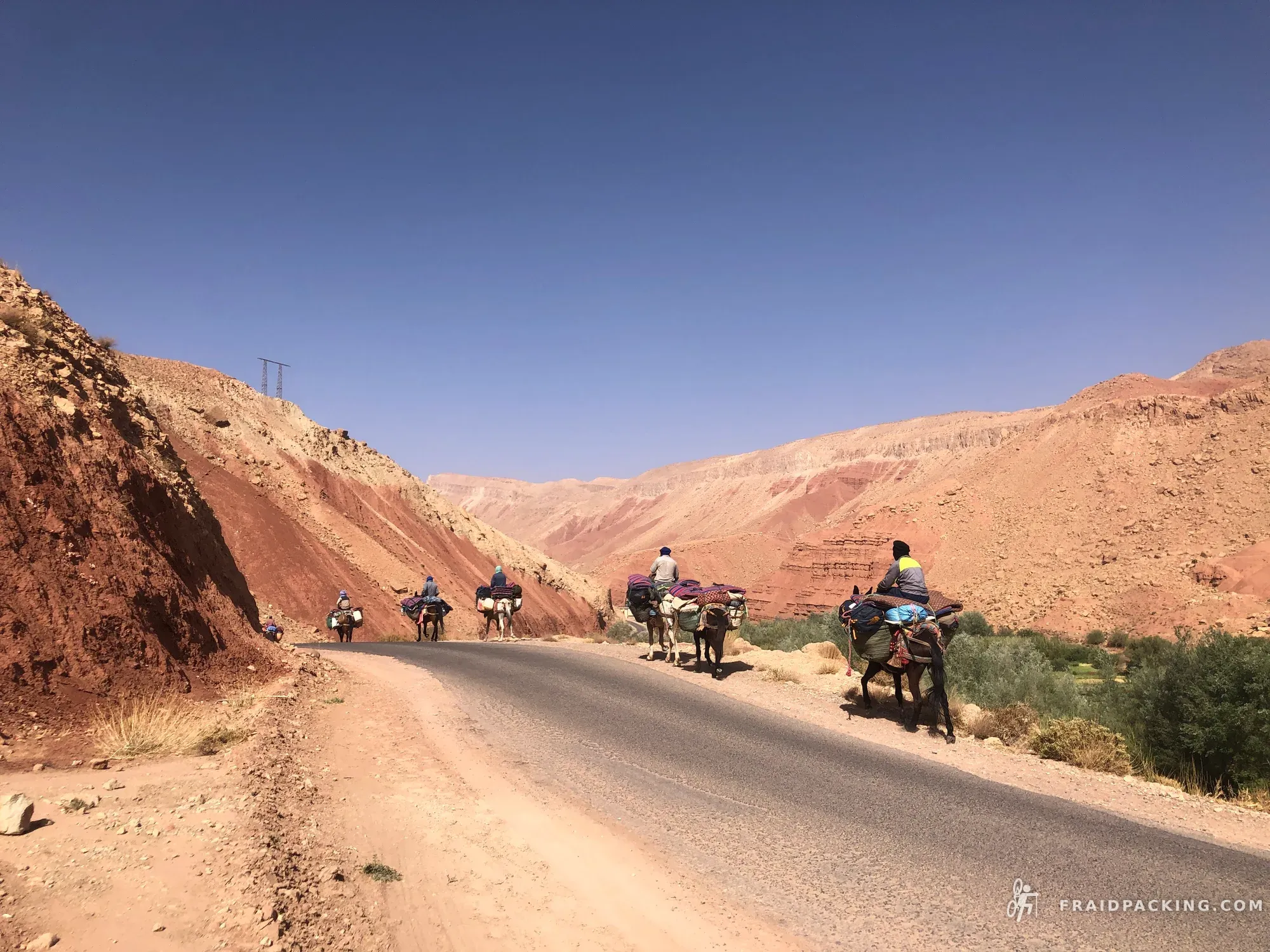
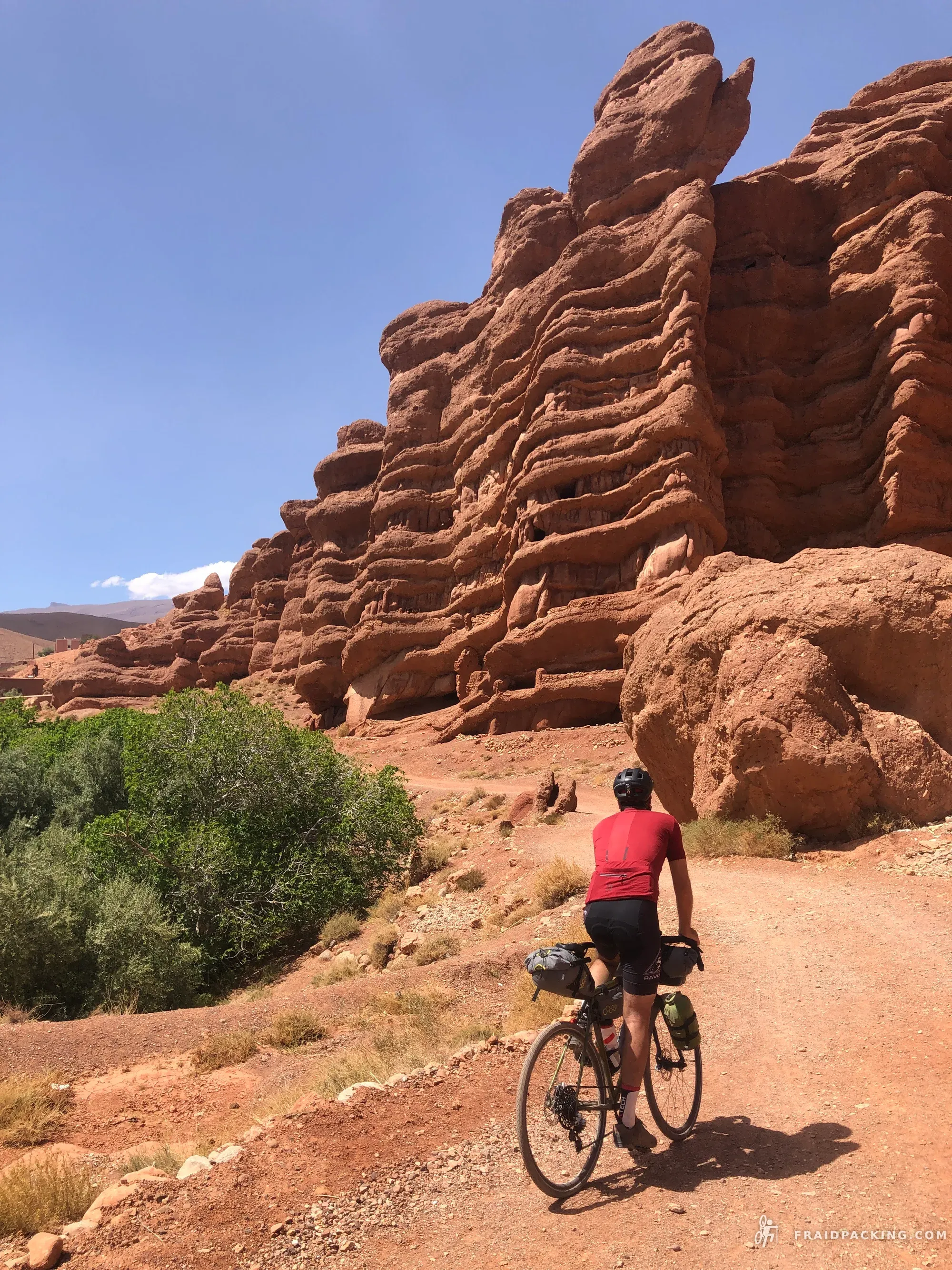
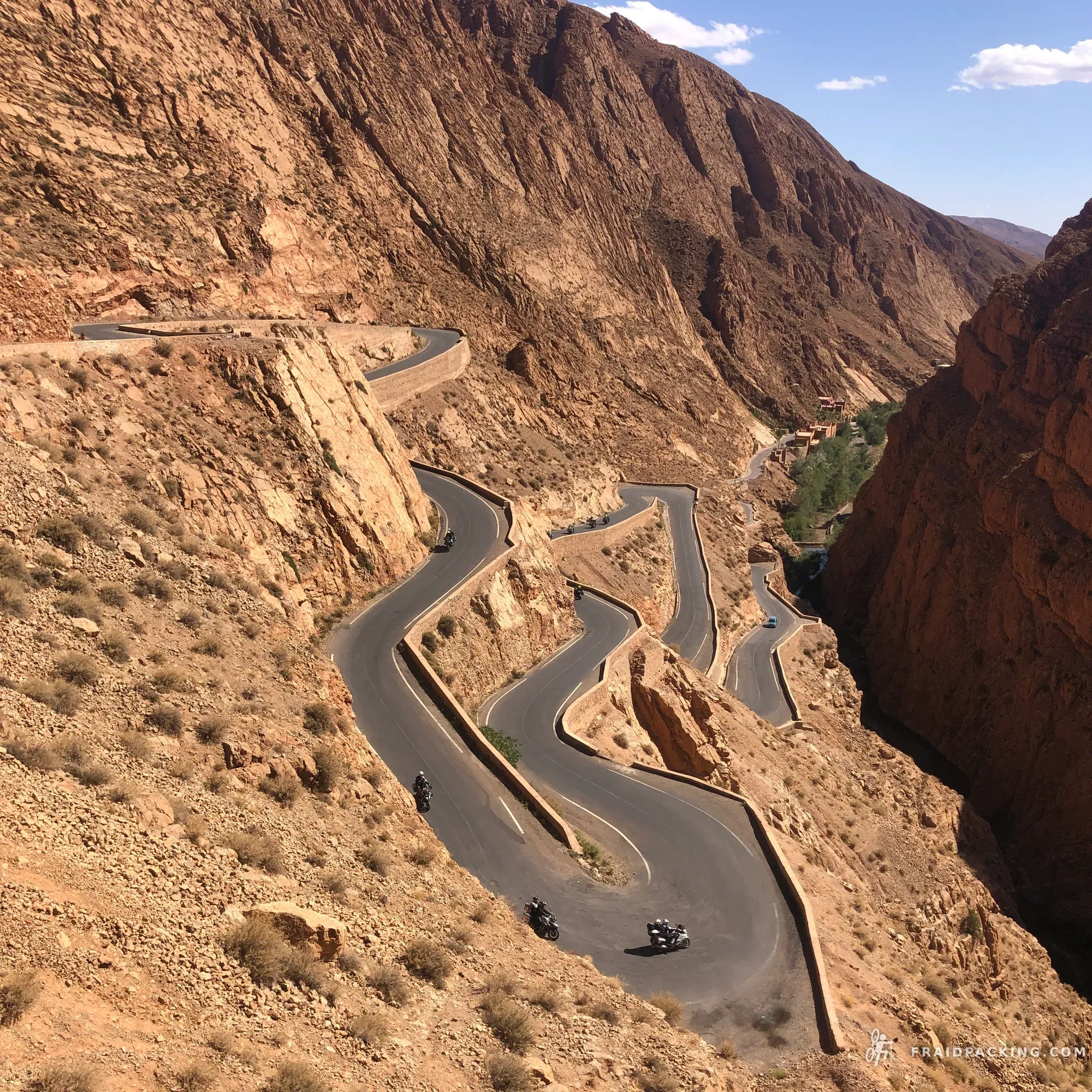
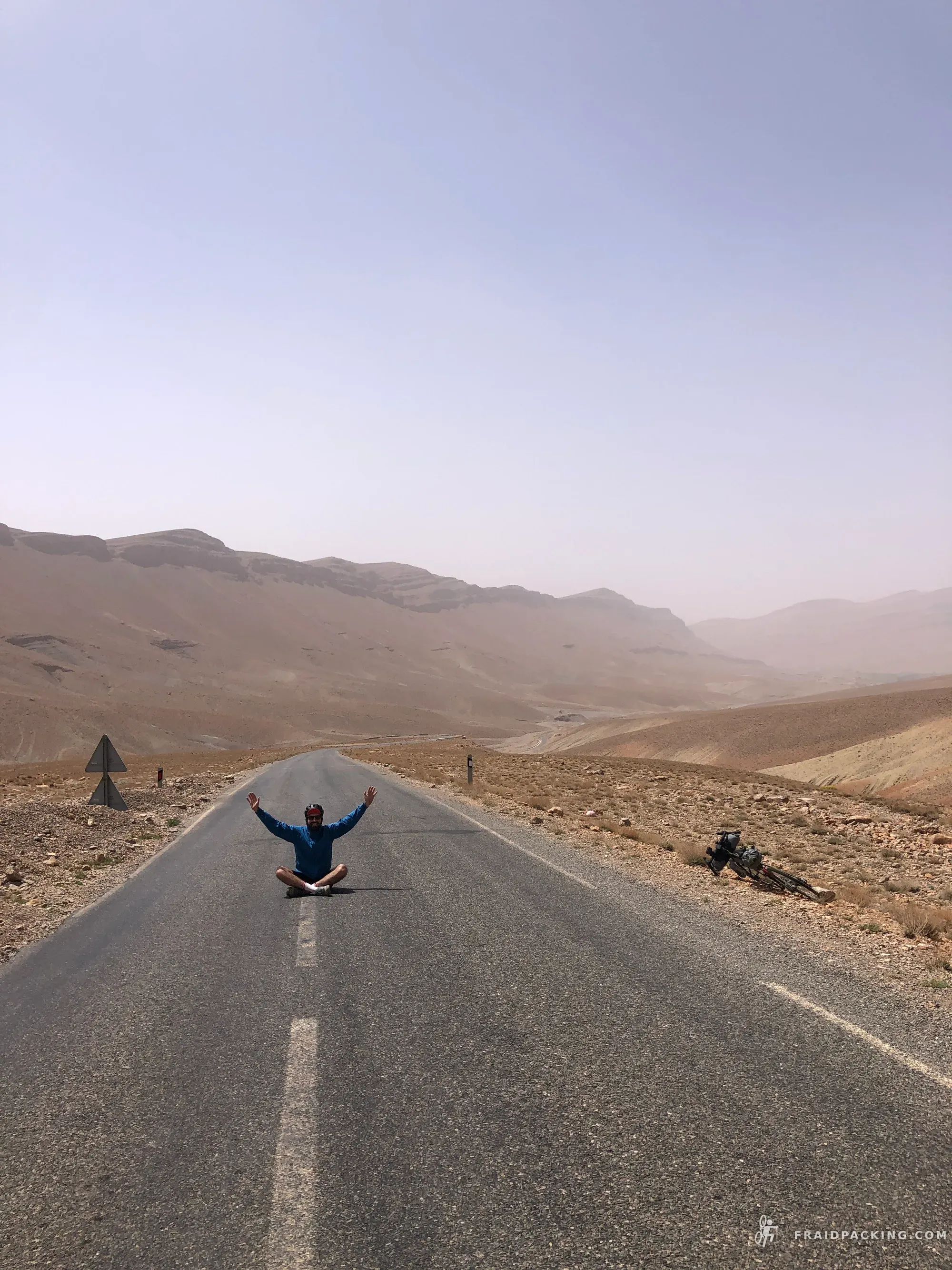
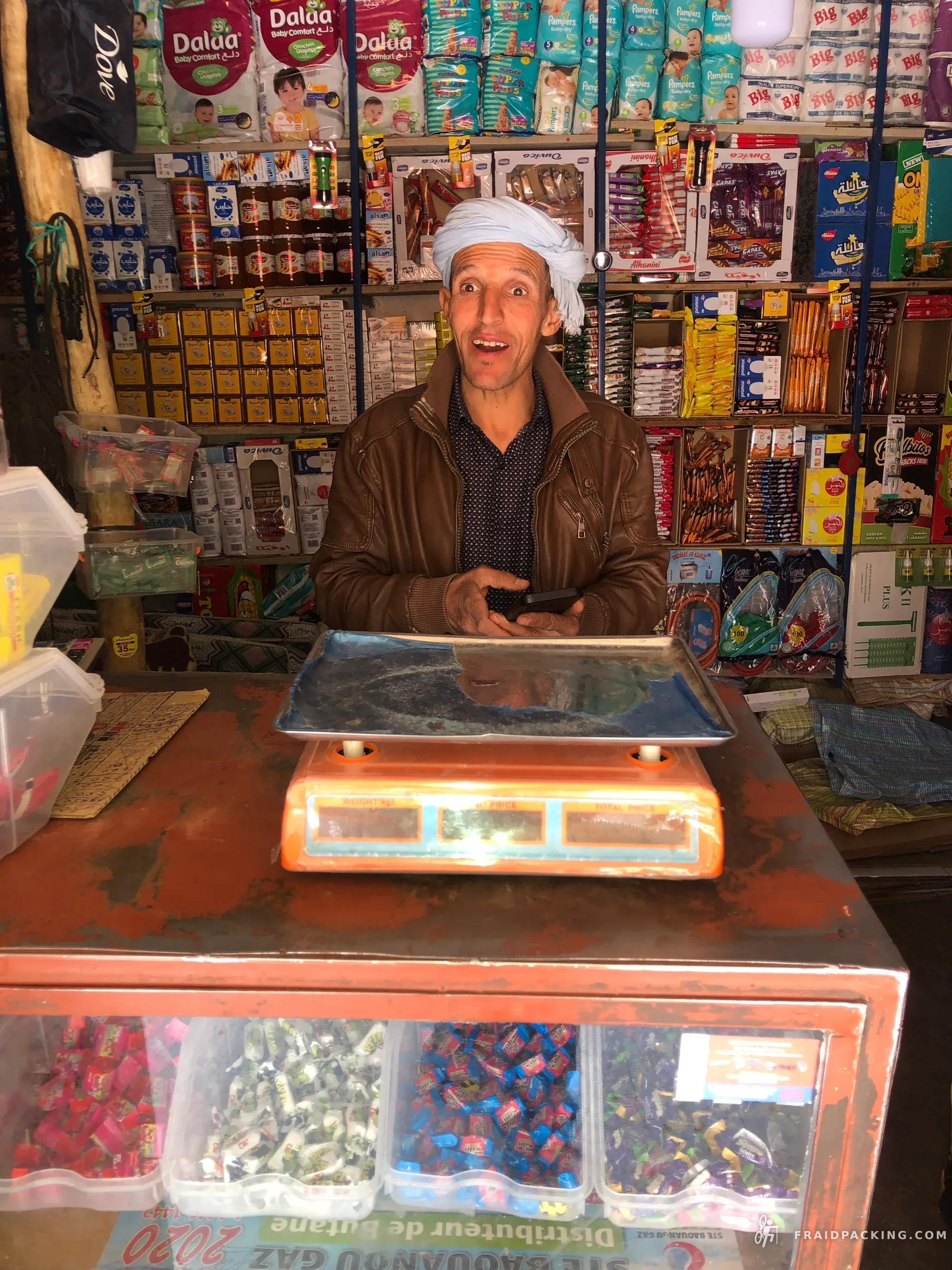
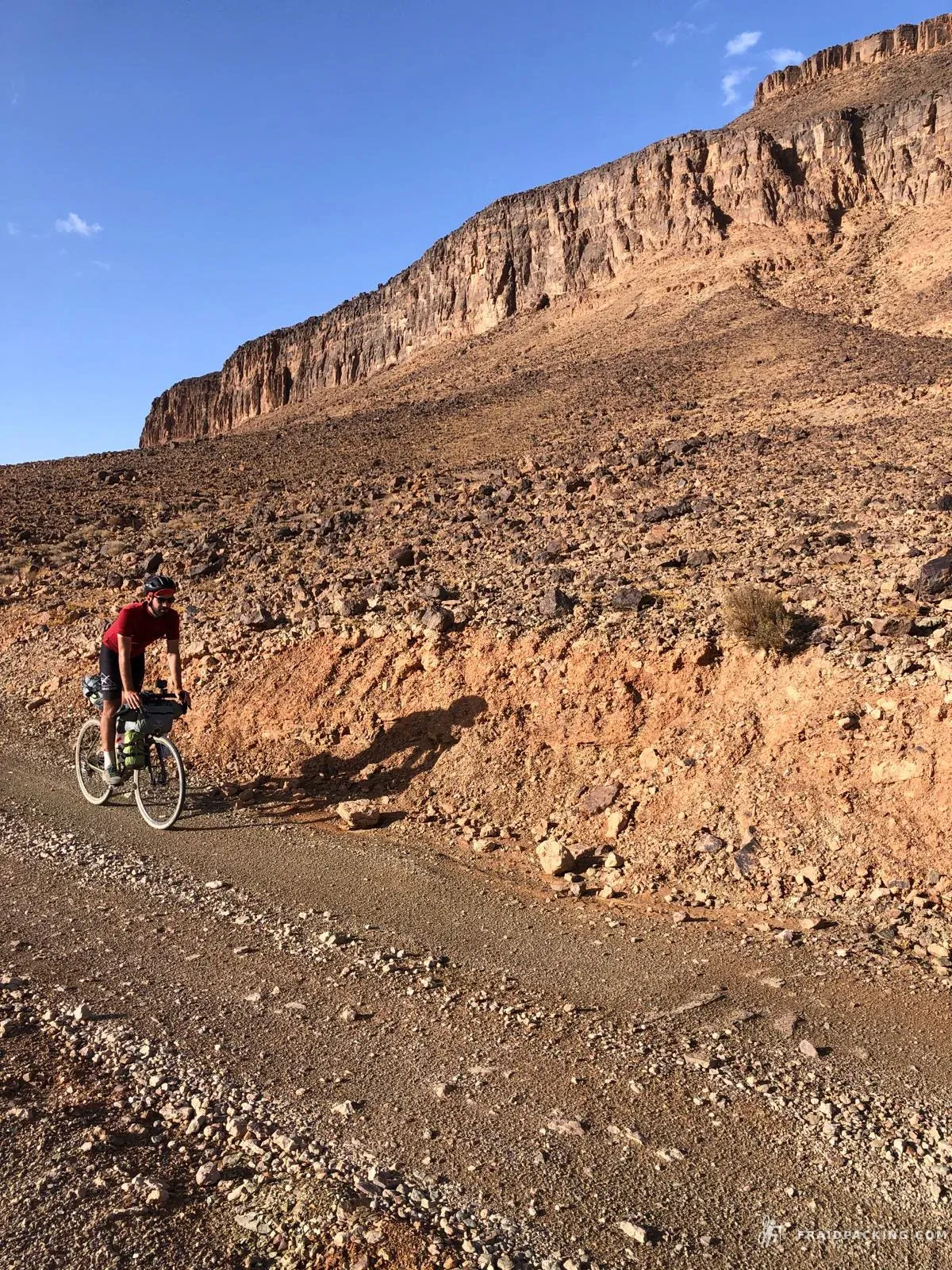
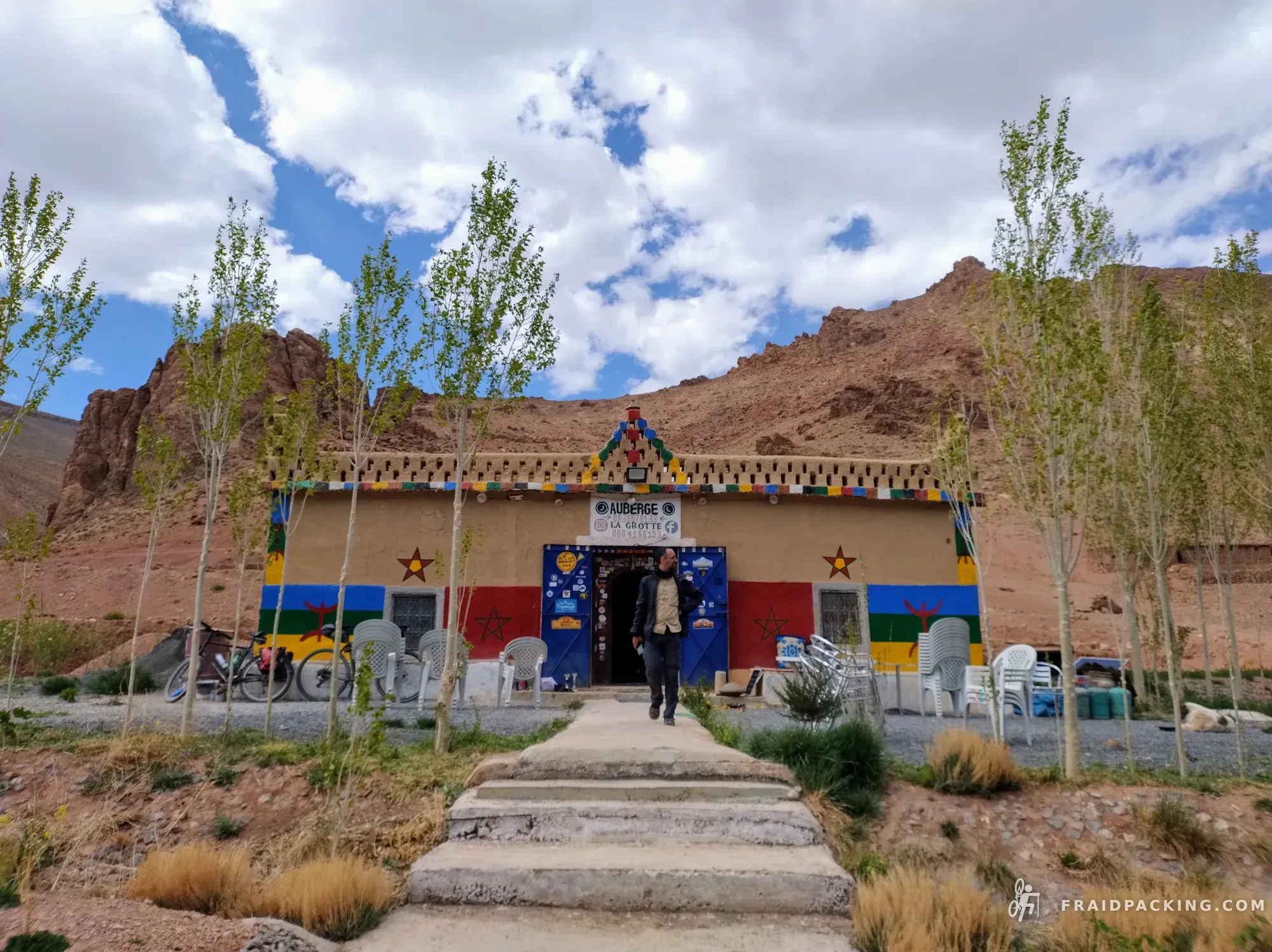
A 12-day bikepacking adventure from Marrakech to M'Hamid, at the edge of the Sahara Desert, is a journey through ever-changing landscapes and genuine human connection. Climbing into the rugged Atlas Mountains and crossing the remote Anti-Atlas, each day brings dramatic scenery—deep valleys, arid plateaus, and timeless Berber villages. Traveling light without a tent, nights unfold wherever hospitality is found: in family homes, small hotels, or even simple village cafés. What makes this journey unforgettable is the warmth of the Moroccan people, whose generosity turns every توقف into a moment of connection. The adventure ends in M’Hamid, where the road disappears and the vast silence of the Sahara begins.
Route
↓ Download GPX- 1
Marrakech - Arba Tighedouine
The road rises almost immediately from the fringes of Marrakech, trading the city's ochre noise for the quiet pull of the High Atlas foothills. Over 76 kilometres and more than a thousand metres of climbing, the legs begin their slow reckoning with Moroccan gradient — long, patient ascents through terraced slopes and sun-bleached rock where the air sharpens and the sprawl below dissolves into haze. By the time Tighedouine appears, the body has already learned the rhythm of this route: effort, dust, silence, reward.
- 2
Arba Tighedouine - Zerkten
Steep, rocky trails demand everything on this short but unrelenting day deep in the High Atlas. The legs burn through nearly 800 metres of climbing packed into just 19 kilometres, as the route pushes higher into a landscape of bare ridgelines, scattered argan and juniper, and villages clinging to sun-baked slopes. The effort is raw and honest, the air thinning and sharpening with altitude. By the time Zerkten appears below eroded peaks, the silence feels earned.
- 3
Zerkten - Telouet
The day begins with a relentless climb out of Zerkten, the gradient demanding everything from the legs as piste gives way to raw mountain terrain. Loose stone and switchbacks push riders deep into the High Atlas, where cedar scrub thins and the landscape opens into something vast and austere. The air sharpens with altitude, the silence broken only by wind and effort. By the descent toward Télouet, red-earthed hills roll into view, ancient and unhurried, a fitting arrival to a place that feels centuries removed from the world below.
- 4
Telouet - Ourzazate
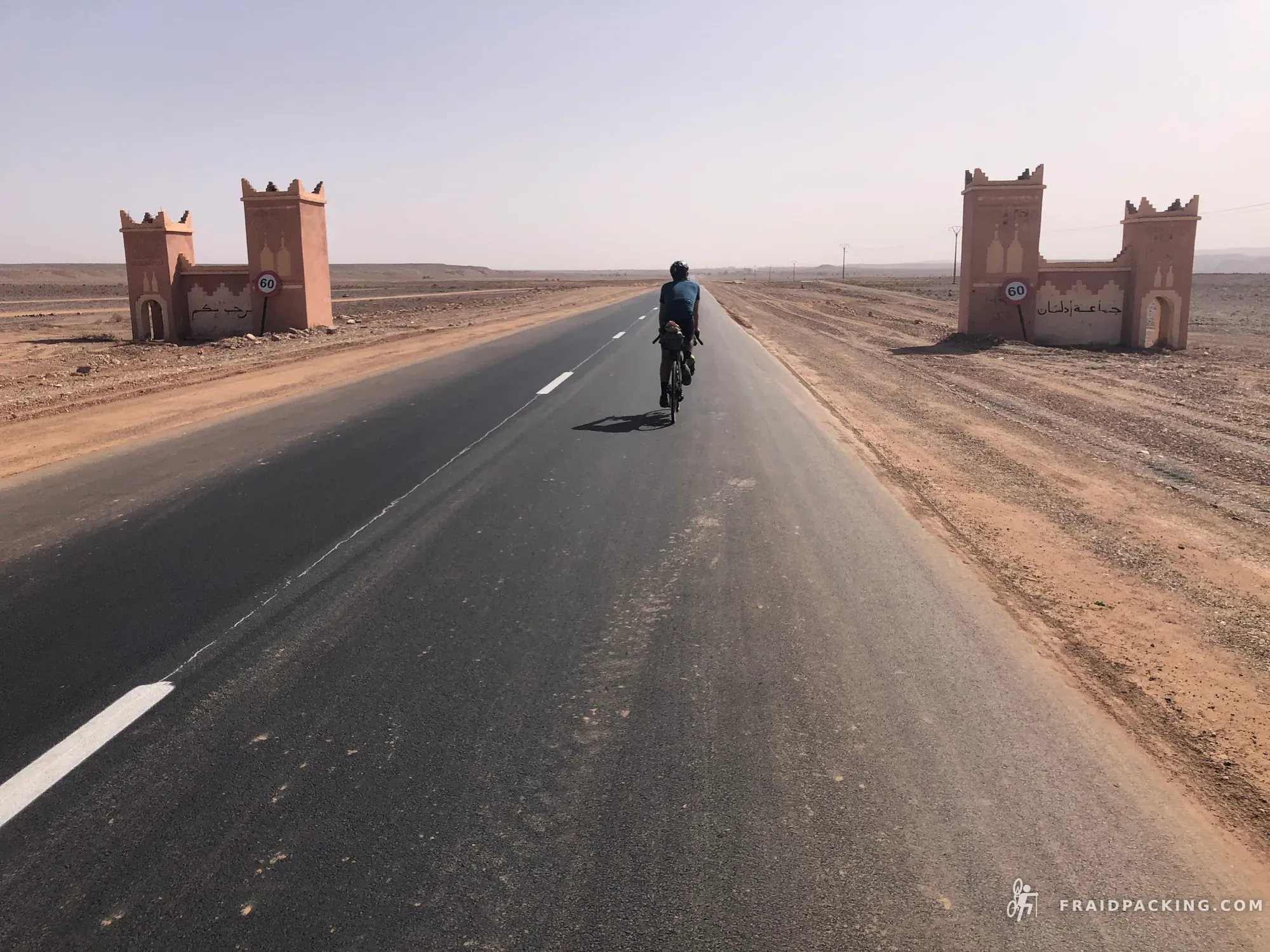
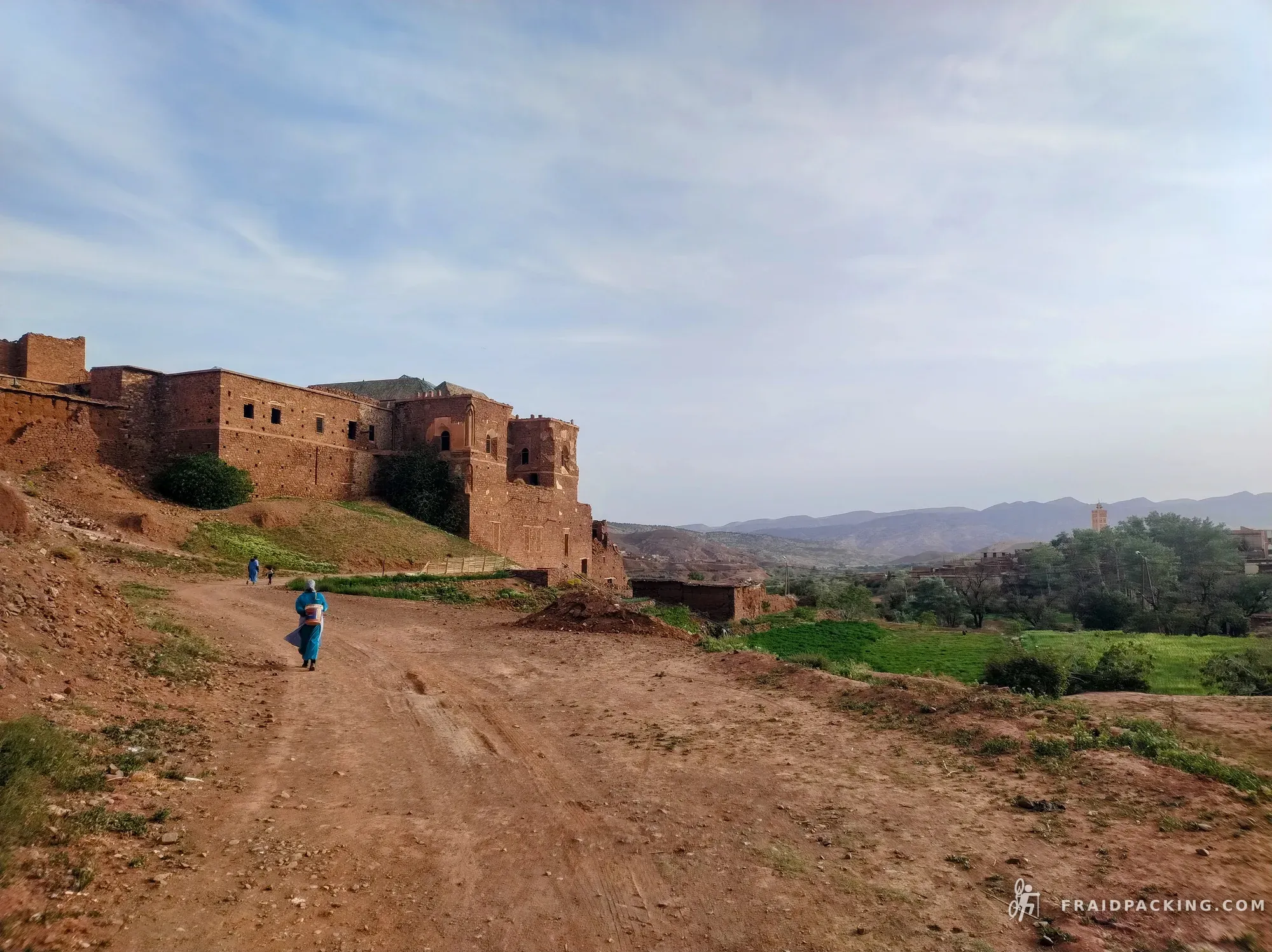
Leaving the crumbling kasbah walls of Télouet behind, day four trades altitude drama for a long, open unravelling toward the south. The riding mellows into steady, rhythmic desert kilometres — ochre plains stretching wide under a sky that feels impossibly large — yet the cumulative 807 metres of gain hide their effort in gradual, deceptive rises. By the time Ouarzazate's dust-coloured outskirts appear, the legs know they've worked. It is a day of transition, where the mountains release their grip and the pre-Saharan world quietly takes hold.
- 5
Ourzazate - Vallée de roses
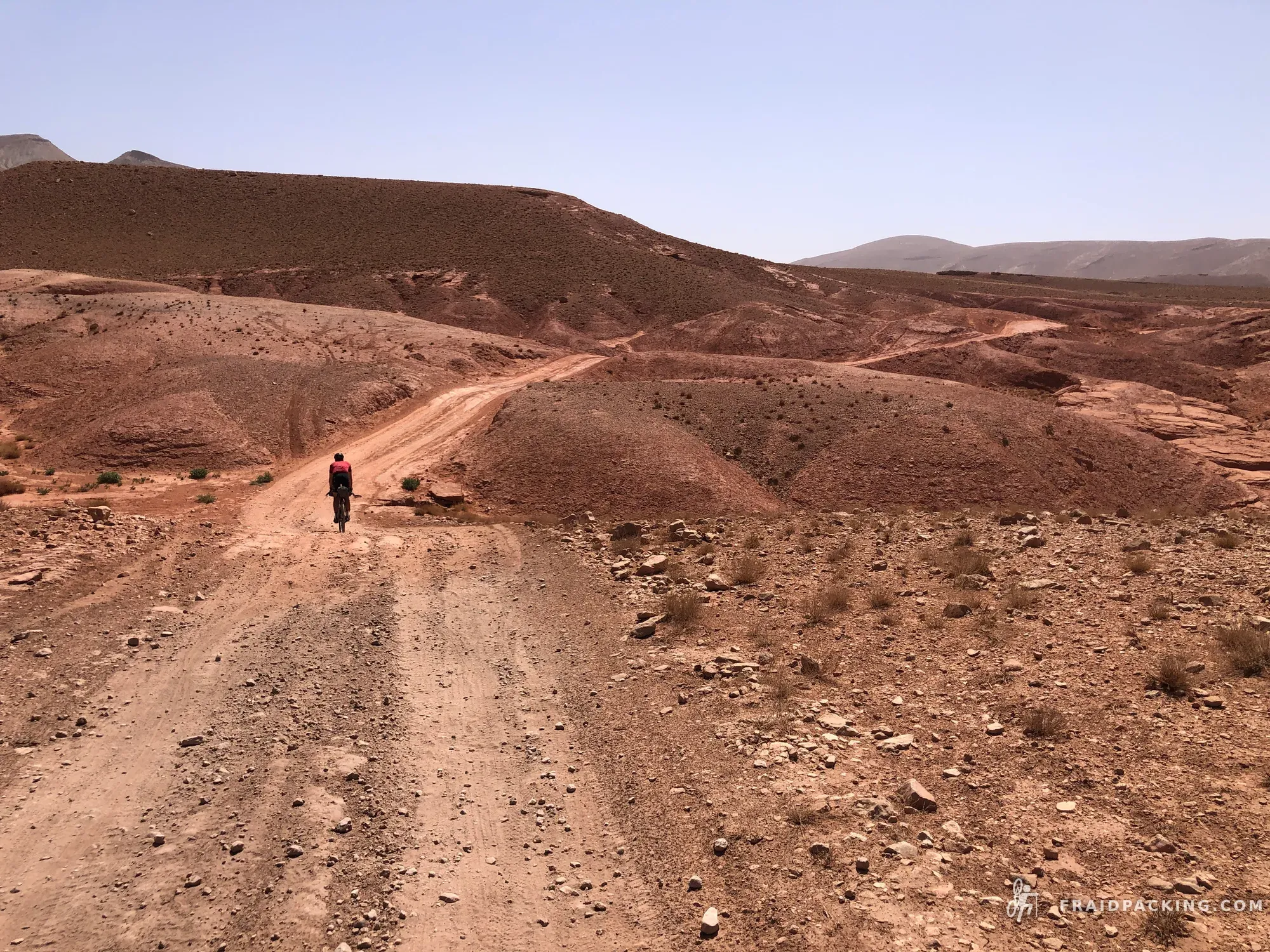
The day begins with a long, grinding push out of Ouarzazate, legs finding their rhythm against a persistent early climb that sets the tone for the kilometres ahead. Beyond the city's dusty fringe, the landscape opens into a vast, sun-scorched plateau where the air thickens with heat and silence, and the road seems to dissolve into the horizon. Progress feels hard-won, the 107 kilometres accumulating slowly beneath tyres tracking loose gravel and broken tarmac through a palette of ochre and burnt umber. By the time Ait Ouassif comes into view, the body knows it has earned the rest.
- 6
Vallée de roses - M'Semrir
Deep in the Drâa-Tafilalet, day six demands a reckoning with altitude. The 84 kilometres from Ait Ouassif to M'Semrir pile on over 1,600 metres of climbing, pulling riders through a relentless succession of rocky switchbacks and exposed ridgelines where the air thins and the silence thickens. Ochre canyon walls give way to high plateau scrubland, the landscape stripped to its bare mineral bones. By the time M'Semrir comes into view, earned through hours of grinding effort, the surrounding peaks feel less like scenery and more like company.
- 7
M'Semrir - Agoudal
Leaving M'Semrir, the day bites hard from the first pedal stroke, grinding upward through nearly 1,500 metres of accumulated elevation across 65 relentless kilometres. The terrain rolls through raw, sun-bleached valleys where the Atlas asserts itself in layered ochre and rust, each descent earned and brief. Wind and silence trade turns, and the effort accumulates in the legs like sediment. By the time Bou Azmou appears, the body knows it has crossed something real.
- 8
Agoudal - Tinghir
The longest day of the route unfolds across a sweeping desert basin where the horizon seems to recede endlessly under the weight of a hard southern sun. Leaving Bou Azmou, the track rolls through spare, ochre-toned terrain where the effort is less about steep climbing and more about sustained endurance across nearly a hundred kilometres of open land. The near-thousand metres of elevation gain comes in gradual, cumulative waves rather than sharp ascents, wearing at the legs with quiet persistence. Tinghir arrives as a reward — a ribbon of palms and mud-brick warmth tucked against the rock at day's end.
- 9
Tinghir - Tizi n'Tazazert
Leaving Tinghir's palmery behind, day nine trades the comfort of valley floors for a sustained push into raw, unpeopled terrain. The climbing is relentless and honest — nearly 1,500 metres earned in 71 kilometres across ridgelines where the rock shifts colour with the hour. Wind and silence share the road in equal measure, and the landscape strips back to its essentials: ochre stone, pale sky, the occasional goat track threading into nowhere. By the time Ikniouen appears, the legs know they have worked.
- 10
Tizi n'Tazazert - Tafetchna
Near the end of a long journey, day ten unrolls across the broad, sun-bleached corridors of the Drâa-Tafilalet, where the land flattens into something vast and unhurried. Eighty kilometres from Ikniouen to Tafetchna pass with a gentleness unusual for this route — the modest elevation gain a quiet gift after harder days — yet the sheer scale of the landscape demands its own endurance. The light here has weight, pressing down on stone and dust, and the silence between villages feels ancient rather than empty. It is a day measured not in struggle but in patience, the kilometres dissolving slowly into an immense, amber afternoon.
- 11
Tafetchna - Zagora
The penultimate day unrolls as a long, generous exhale — the landscape opening into the broad, sun-bleached corridor of the Drâa valley, where the riding is mercifully flat and the desert does its quietest, most hypnotic work. Dust-coloured palmeries drift past in slow succession, their shade a brief mercy before the trail returns to baked earth and pale stone. The 63 kilometres ask little of the legs in elevation but demand patience and presence, the horizon always distant, the silence immense. Zagora arrives like a rumour becoming real, its rooftops and minarets shimmering at the edge of the Sahara's reach.
- 12
Zagora - M'Hamid
The final day opens across a landscape already softening, the Anti-Atlas releasing its grip as the route drops south through broad, sun-baked valleys where the light feels older and quieter. A hundred kilometres unroll with a rhythm that rewards twelve days of hard riding — the elevation modest now, the road long and wide beneath an enormous sky. Dust and distance define the mood, the horizon pulling ahead until the route finally exhales into its end point, the journey complete.
Photos